
Custom Development
Alcohol Delivery Market Share and Trends: Size, Growth, & Business Opportunities
7 Apr 2026
Believe it or not, 75% of hiring managers recently failed a blind test to distinguish between AI-generated resumes and human ones.
It turns out that while you’re looking for a "human touch," your top candidates are already using bots to outsmart your traditional screening process.
If you aren't using AI HR software, you’re essentially bringing a paper map to a GPS race.
The shift toward AI-powered HR software isn't just a trend for tech giants; it is how savvy teams are reclaiming their calendars.
By embracing AI in HR, businesses are cutting hiring cycles by 40% and finally killing the "black hole" of candidate ghosting.
Whether you’re a startup or a growing enterprise, understanding how AI is transforming HR software for small businesses is your new competitive edge.
This guide dives into the best AI HR software features that turn messy spreadsheets into a high-speed hiring automation engine.
AI HR software steps in right where modern HR teams feel the most pressure: too much data, too many decisions, and not enough time.
Instead of reacting after problems show up, AI HR software helps HR teams spot patterns early and act faster, with more confidence.
At its core, AI-based HR software uses machine learning, data analysis, and automation to support everyday HR tasks.
It looks at large volumes of employee and candidate data, learns from past outcomes, and helps teams make smarter decisions across hiring, engagement, and workforce planning.
This is why HR software feels less like a tool and more like an extra set of analytical eyes.
Here’s how the software works step by step:
In short, AI does the heavy analysis while HR teams focus on people, strategy, and culture.
Now that the “how” is clear, let’s see how AI is transforming HR software for small businesses and turning everyday HR challenges into scalable advantages.
Small businesses no longer need oversized HR teams to run effective people operations.
AI HR software levels the playing field by automating work, improving decisions, and scaling HR without increasing overhead.
Here are the key ways this transformation manifests on the ground.
AI recruitment software for HR automates resume screening, candidate matching, and interview scheduling.
Small teams can hire faster without manually reviewing hundreds of applications.
AI-powered HR software automates repetitive tasks, including employee inquiries, document management, and follow-ups.
This cuts administrative workload and allows HR to focus on people, not processes.
With workforce analytics and predictive insights, AI-driven HR software helps small businesses identify attrition risks, skill gaps, and performance trends early, before they become problems.
AI in HR software personalizes feedback, learning paths, and communication based on employee behavior.
Even lean teams can deliver tailored experiences that keep employees engaged.
HR chatbots and automated workflows provide instant responses to common questions. Employees get support without delays, improving satisfaction and trust in HR systems.
Modern HR software with AI and machine learning gives small businesses enterprise-grade capabilities without large budgets, complex setups, or additional headcount.
As AI reshapes how small teams manage people, the next step is to understand the specific features that make AI HR software truly effective and which ones actually matter.
AI HR software isn’t about adding flashy tech. It’s about removing friction from hiring, people management, and decision-making using intelligence built into the system.
Below are the core features that actually make AI-powered HR software valuable.
AI recruitment software for HR automatically scans resumes, profiles, and applications.It matches candidates to roles based on skills, experience, and role fit, not just keywords.
This speeds up hiring automation and reduces unconscious bias in early screening.
AI-enhanced applicant tracking systems track every candidate interaction in real time.The system predicts drop-offs, flags strong candidates, and suggests next steps.
Recruiters see the full hiring funnel without manual updates or guesswork.
HR chatbots handle everyday employee questions around leave, policies, and payroll.They respond instantly, learn from past queries, and reduce HR ticket volume.
This improves employee engagement without increasing HR workload.
AI-driven HR software uses workforce analytics to spot trends before they escalate.It predicts attrition risk, skill gaps, and workforce needs using historical data.
This supports smarter workforce planning and long-term talent management.
AI HR software manages onboarding, role changes, performance cycles, and exits.Tasks trigger automatically based on employee actions or timelines.
This ensures consistent employee lifecycle management across teams.
AI-powered HR software tracks engagement signals like feedback, goals, and activity.It identifies disengaged employees early and recommends corrective actions.
This helps improve employee retention without constant manual monitoring.
Machine learning in HR analyzes roles, performance data, and career paths.It recommends relevant training and upskilling opportunities for employees.
Small businesses can access structured talent development without extensive planning.
AI software for HR improves itself over time by learning from outcomes.Hiring accuracy, engagement insights, and workflow efficiency continue to improve.
This makes HR digital transformation practical, not theoretical.
Together, these features turn HR from a reactive function into a proactive system.Next, we’ll look at the measurable benefits businesses see once these capabilities are in place.
From hiring to retention, HR AI software brings clarity to areas that were once driven by guesswork.
Below is a clear, practical view of the real advantages of using AI-based HR software and how each one helps teams operate more effectively.
These advantages explain why AI HR software is becoming a core part of modern human resources technology, not a “nice-to-have.”
Next, let’s break down the real, measurable benefits teams see once AI HR software is put to work.
AI HR software supercharges decision-making, cuts time-to-hire, and uncovers people insights you didn’t even know you needed.
Let’s break down the real benefits you’ll feel in your day-to-day workflows.
AI recruitment software for HR can dramatically reduce candidate screening and scheduling time, enabling you to hire top talent faster.
According to Vorecol reports, AI tools reduce time-to-hire and repetitive screening by up to 50%, freeing your HR team to spend less time sifting resumes and more time engaging withreal people, even with a small staff.
Using AI in HR software for small businesses means your dollars stretch further; hiring automation can reduce recruitment costs by up to 30% on average, helping you hire quality talent while keeping budgets tight and satisfied.
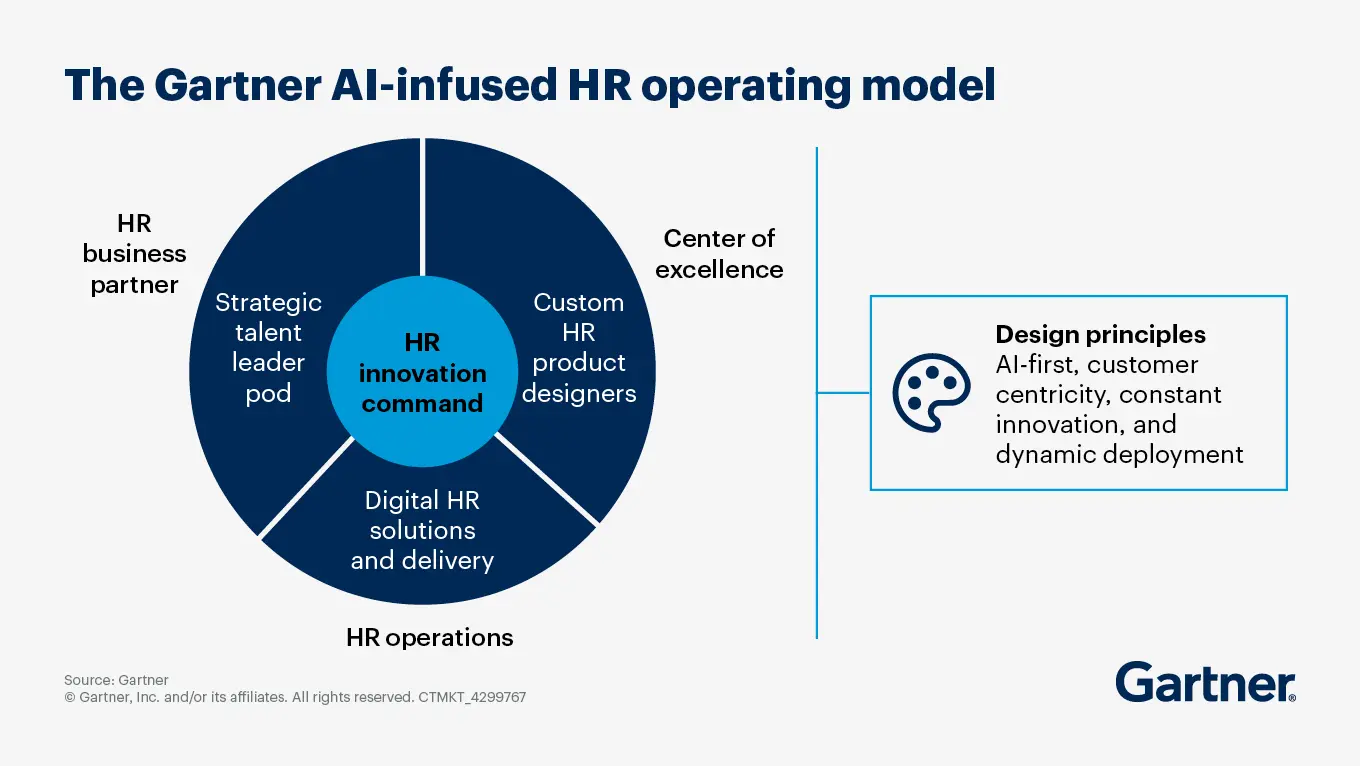
More HR pros are embracing HR AI software in real-world work, with familiarity rising: around 80% of HR leaders report feeling “very familiar” with AI tools.
That confidence translates directly into productivity as teams leverage analytics, chatbots, and automation daily.
AI-driven HR software brings predictive analytics to your fingertips, spotting patterns like churn risk or skills gaps before they bite.
Nearly half of HR leaders now use AI to deliver real-time performance feedback and workforce insights that lead to smarter planning.
Routine tasks like interview scheduling, onboarding paperwork, and compliance reminders can be handled by AI software for HR, freeing your small team from “busy work” and letting them focus on what humans do best: connect, coach, and retain great people.
When HR can analyze sentiment and trends at scale, you get deeper insights into employee needs.
AI-enhanced people analytics can improve engagement and satisfaction by delivering tailored development and feedback, turning raw data into meaningful human outcomes.
With AI-driven HR software, your small or mid-sized business essentially gets an “extra HR brain” without a full-time salary.
The global AI in HR market is expected to grow rapidly, as these benefits aren’t theoretical and firms of all sizes are seeing real value and planning to expand their use of AI.
Small teams that adopt AI HR software are not just saving minutes; they’re unlocking hours of strategic focus while keeping employees more engaged and operations more efficient.
Here’s how AI-driven HR software fits naturally into different HR workflows without making things complicated or “too techy.”
For startups, AI HR software enables rapid hiring without needing a full HR setup: resume screening, interview scheduling, and candidate shortlisting run automatically from day one.
This lets founders and small teams hire fast without slowing product or growth momentum.
As teams grow, AI software for HR helps streamline recruitment, onboarding, and engagement in a single workflow.
HR automation keeps candidate data, employee records, and onboarding tasks connected.
This reduces manual follow-ups and keeps HR processes consistent as headcount increases.
Enterprises use AI-driven HR software for advanced workforce analytics and long-term planning.
Predictive analytics support hiring forecasts, skill gap analysis, and retention strategies. HR decisions become data-driven rather than intuition-led.
With remote work, HR software with AI tracks engagement and performance without micromanagement.
AI tools analyze sentiment, feedback, and productivity trends across locations. This helps HR teams support remote employees more fairly and proactively.
For recruitment-heavy teams, AI recruitment software for HR handles high-volume hiring with ease.
Automated resume screening, ranking, and applicant tracking reduce recruiter workload. Hiring automation ensures speed without compromising candidate quality.
Across all these use cases, AI HR software adapts to how teams actually work, not the other way around. Next, it’s time to choose whether to look for custom or buy.
What should go for?
The right choice depends on how unique your HR workflows are, how fast you’re scaling, and how much control you want over data, automation, and future growth.
Let’s break it down without the tech headache.
Building your own solution means creating something that fits your workflows like a glove. It’s not just about features; it’s about flexibility, ownership, and long-term advantage.
Many businesses find that to truly stand out in the market with custom software development, they need proprietary AI logic that competitors cannot simply buy off the shelf.
This approach works best when HR is strategic, not just administrative.
Buying AI-based HR software is faster and simpler when you need quick results. It works well for standard use cases and smaller teams.
The trade-off is limited customization and dependency on product roadmaps.
If your HR needs are basic, buying HR AI software gets you moving fast.
If your processes are unique, data-heavy, or growth-focused, building custom AI-driven HR software gives you long-term control and flexibility.
The smart move? Choose what fits your stage today and your ambition tomorrow.
The right choice comes down to a few core factors that directly impact hiring quality, HR efficiency, and long-term scalability.
Strip away the buzzwords, and these are the essentials that actually matter when selecting HR AI software.
Strong AI recruitment software for HR should automate resume screening, shortlisting, and interview scheduling.
This directly reduces time-to-hire and improves hiring consistency.
Effective AI software for HR extends beyond recruitment. It should support onboarding, employee lifecycle management, and routine HR workflows with minimal manual input.
Look for HR software with AI and machine learning that offers workforce analytics and predictive insights. These help anticipate attrition, skill gaps, and future hiring needs.
Your AI-driven HR software must integrate smoothly with payroll, applicant tracking systems, and internal tools. Poor integration creates silos and slows HR operations.
The best AI HR software scales with your team. It should adapt to new roles, locations, and policies without requiring a complete system change.
AI in HR should improve employee engagement by enabling chatbots, self-service tools, and faster response times. Better experiences lead to stronger retention.
Any AI-based HR software must protect sensitive employee data and align with compliance requirements. Trust and security are non-negotiable.
Choosing based on these core factors ensures your AI HR software supports today’s needs while staying ready for tomorrow’s growth.
Choosing the right platform is one thing. Building it exactly the way your business works is another.
AppsRhino focuses on creating AI HR software that fits your workflows, not forcing you to adapt to rigid tools.
Every AI HR software build starts with understanding your hiring flow, team structure, and growth goals. The solution is designed around how your HR team already works.
AppsRhino designs AI HR software using machine learning for resume screening, workforce analytics, and predictive insights.
Our approach is backed by AppsRhino’s expertise in custom software development, ensuring that the AI adapts as your data grows and your hiring needs evolve.
From hiring automation to employee lifecycle management, AI software for HR automates repetitive tasks across recruitment, onboarding, engagement, and retention.
AppsRhino connects HR software with AI to your ATS, payroll, CRM, and internal tools. This keeps employee data unified and eliminates manual handoffs.
Employee data stays protected with enterprise-grade security. AppsRhino builds AI HR software aligned with compliance and data privacy requirements.
AppsRhino continuously refines AI models using real usage data. Your AI powered HR software improves accuracy, insights, and efficiency over time.
If you think AI HR software has already peaked in sorting resumes, think again.
We are entering the era of agentic AI, where your software doesn’t just suggest a task, it executes it.
By 2026, human resources technology is shifting from "storing info" to "doing work."
Your system will likely flag a talent gap months before a project launches, acting as a strategic co-pilot that manages the recruitment lifecycle while you focus on high-level culture.
The next leap in AI-based HR software involves "autonomous agents" that orchestrate complex workflows across your entire tech stack without manual triggers.
This evolution means HR teams can finally stop being the "policy police" and start being “people architects.”
By embracing this HR digital transformation, you ensure your organization stays resilient in a market that moves at the speed of light.
HR has officially entered its glow-up era.
What used to be manual, reactive, and quietly chaotic is now smarter, faster, and far more strategic.
As we’ve seen throughout this guide, AI HR software is no longer just about automation.
It’s about better hiring decisions, stronger employee engagement, sharper workforce analytics, and HR teams that finally get time to focus on people, not processes.
From recruitment and onboarding to retention and long-term planning, the impact is real and measurable.
The real advantage, though, comes when AI-driven HR software is shaped around your business, not the other way around.
That’s where custom development quietly wins. AppsRhino helps businesses design and build tailored AI-based HR software, recruitment platforms, HR automation systems, and intelligent apps that fit unique workflows and growth goals.
No shortcuts. No generic tools. Just HR technology that evolves with your team.
If smarter HR feels overdue, this might be the right moment to build it right.
Custom Development
7 Apr 2026
Tell us what your business actually runs on today, and we will map what it takes to make it one system.