


Custom Development
Alcohol Delivery Market Share and Trends: Size, Growth, & Business Opportunities
7 Apr 2026
Google AdWords remains one of the most relied-on platforms for brands aiming to gain visibility, attract customers, and generate consistent revenue in an increasingly competitive digital landscape.
After reviewing trends across multiple industries, it is clear that advanced tools now form the backbone of high-performing AdWords campaigns. These technologies deliver deeper insights, reduce human error, and support real-time decision-making for advertisers.
Businesses that already work with an Amazon PPC management agency or use Amazon PPC services are adopting similar automated Google AdWords management services to improve efficiency.
Companies partnering with Amazon PPC specialists often transition quickly to data-driven and technology-supported workflows, which significantly enhance overall advertising accuracy.
Advanced tools, from automation to AI and machine learning, have become essential for reaching stronger performance benchmarks within Google’s ad ecosystem. Market research consistently shows that brands using AI-powered optimization outperform those relying solely on manual campaign management.
This article explores how advanced tools elevate Google AdWords services performance and why they are now indispensable for modern marketers.
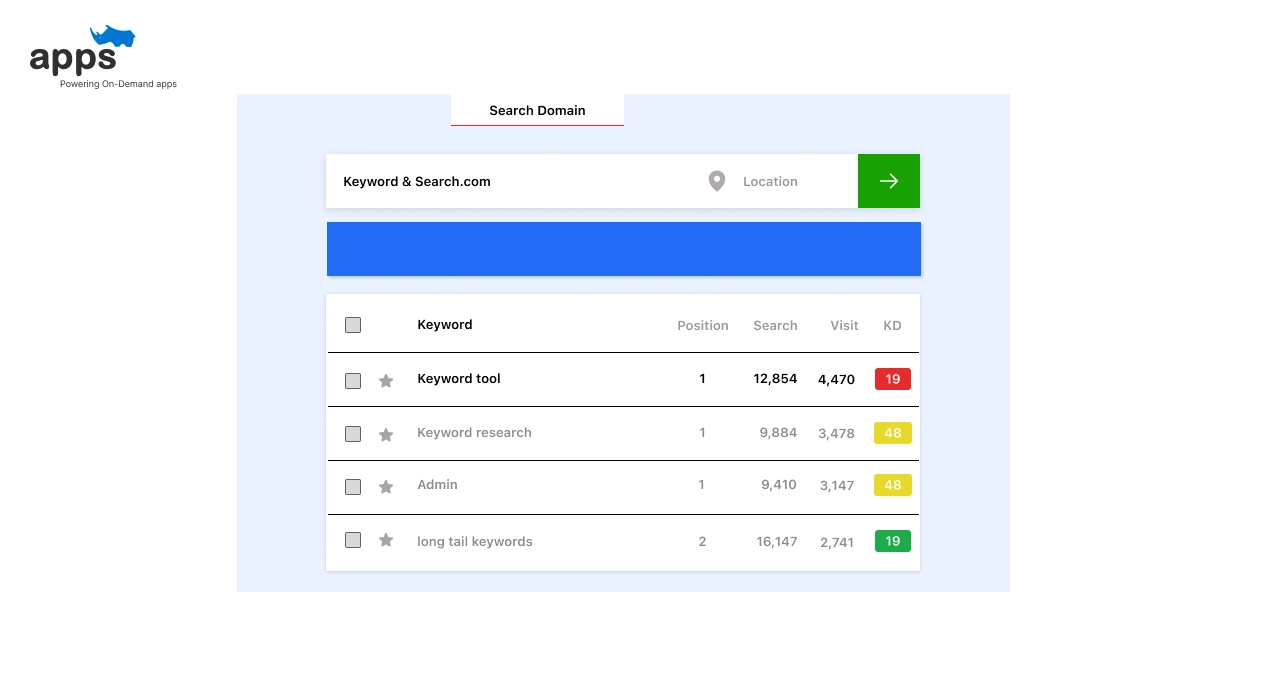
It is a strong keyword strategy that marks the start of every successful Google AdWords campaign. Research has led me to the understanding that advanced keyword tools powered by machine learning are fully capable of interpreting search intent, uncovering new variations, and filtering out irrelevant queries that waste budget. These intelligent systems are very good at identifying patterns that humans often overlook.
Predictive intent tools are very helpful for advertisers since they show how users search throughout the different stages of the buying process. Thus, campaigns are ensured to reach the right audience at the right time.
According to market research, ads supported by AI-driven keyword selection are expected to get higher-quality clicks and have a better chance of conversion than those without such backing.
The increased accuracy holds great potential for better spending, along with a stronger campaign focus, as it leads to more efficient spending.
The whole system of bidding is considered the most challenging and, at the same time, very dynamic aspect of Google AdWords, while the manual management of bids presents the need for constant attention.
On the other hand, advanced automated bidding tools take over the whole process and continuously adjust the bids using the performance data available in real-time.
They are monitoring different factors such as competition, device usage, the time of day and audience signals among others, according to my findings.
The automation systems will use the best-performing keywords for spending and the worst for cutting off expenditure. I believe real-time automation is the way to go as it enhances ROI and eliminates the risk of losing money unnecessarily.
Besides, it has been found through market research that advertisers who resort to smart bidding reap more reliable results than those who rely exclusively on manual adjustments.
Audience segmentation precision is greatly increased due to the advanced tools used for this purpose. They are capable of collecting behavioral data, purchase history, demographics, and browsing habits in order to pinpoint the customer groups with the highest profits.
Predictive models, I believe, enable the advertiser to foresee the user's action even before clicking the ad. Such information gives the marketers an opportunity to re-adjust their campaigns for increased rates of conversion. It is my understanding that segmentation according to real-time patterns helps cut down on wasted impressions and at the same time enhances the accuracy of targeting.
Google AdWords campaigns employing this kind of smart strategy become not only more tactical but also more customer-oriented, thereby leading to better results.
The ad copy and images play a major role in determining the click-through rate, but very effective creative solutions necessitate getting into the user's mind deeply. Advanced creative optimization tools not only analyze past performance but also recommend adjustments that will lead to higher engagement rates.
According to my market research, such tools consider the best-performing headlines, descriptions, and calls-to-action. Additionally, they can allow advertisers to conduct A/B tests in an automated fashion, which saves the time that would otherwise be spent on testing variations manually.
Through my research, I have found out that AI-powered creative optimization continuously increases ad relevancy, enhances the Quality Score, and widens the potential for placement.
Data from various sources are the backbone of contemporary advertising and innovative technologies facilitate the merging of these sources. Connections with customer relationship management (CRM) systems, analytics platforms, and eCommerce dashboards provide advertisers with an overall picture of the results of the campaign.
In my opinion, data unification enhances decision-making and uncovers the links between user actions and campaign effectiveness. The openness of the process shows both the strengths and weaknesses that need to be worked on.
Based on my investigation, businesses that have adopted integrated data systems see a considerable difference in their performance in budget allocation, lead scoring, and overall campaign strategy.
Predictive analytics tools have been a necessity throughout the management of Google AdWords that is successful. They predict the future performance of the account drawing from the present trends, seasonal cycles, and the activities of the competitors.
Market research reveals that predictive forecasting not only helps advertisers in being ready for the periods of high demand but also in adjusting the budget to the right level and allocating resources with precision. What I found out is that this minimizes the financial risk while the potential of the campaign is being maximized.
The power of accurate forecasting is to have proactive strategies rather than taking reactive corrections.
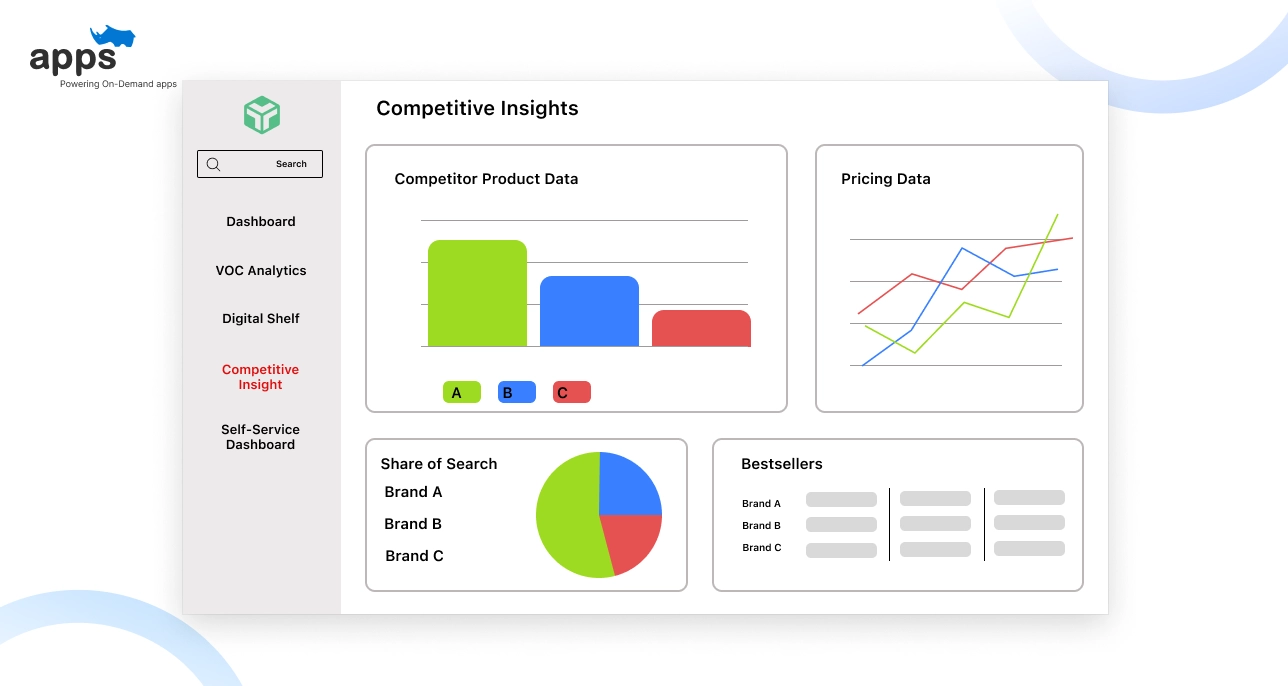
In pay-per-click advertising understanding competitors' behaviors is a must. Sophisticated analysis of competitors provides insight into the rival's bids, their ad placements, their keyword strategies, their traffic sources, etc.
As far as my knowledge goes, these tools help advertisers build stronger strategies that will beat the competitors. They expose the areas where market gaps exist and where bidding strategies need adjustment.
Through my research, I have learned that real-time competitor insights give brands the power to remain in front in quickly changing digital environments.
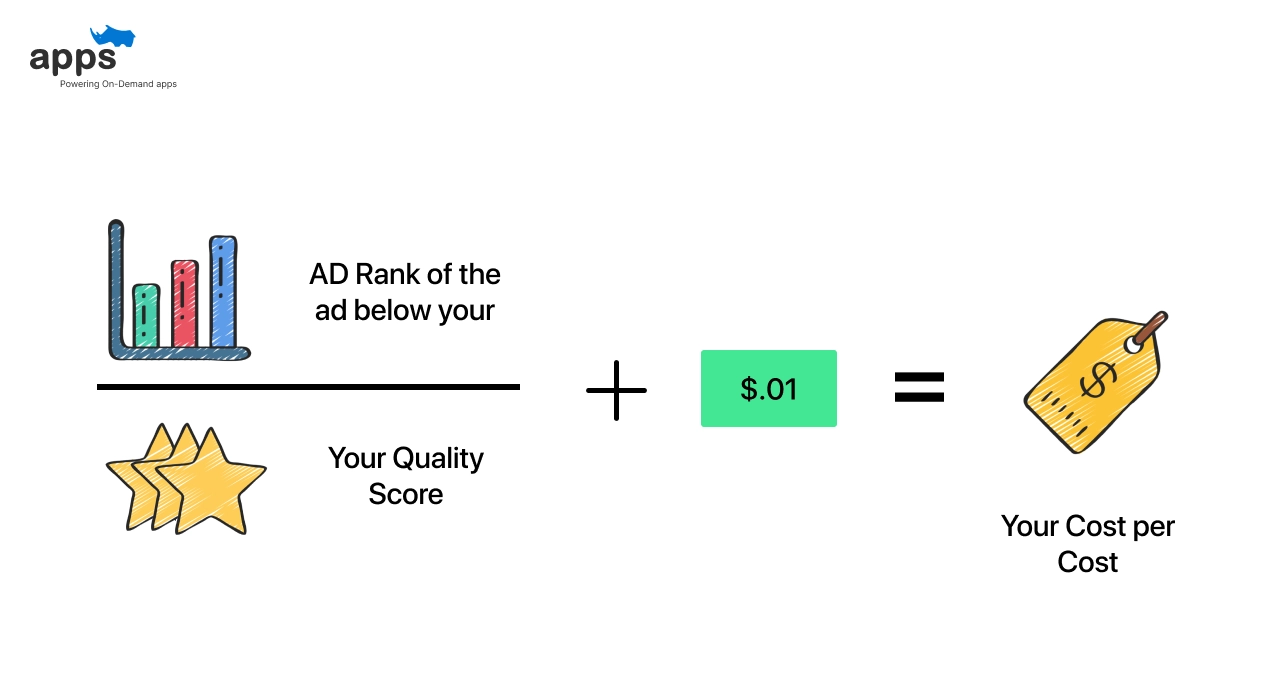
Quality Score affects directly the cost per click (CPC) and the position of the ad. Advanced tools are available for advertisers to improve landing page relevance, keyword groupings, and even compliance with the Google’s best practices.
I know that the tools which measure Quality Score give insights that can be acted upon, thereby improving the structure of the campaign and eliminating unneeded costs. My research also finds that advertisers who keep high Quality Scores over time get more visibility at a lower price per click.
According to market research, the optimization of Quality Score is one of the most powerful factors in the long-term performance of AdWords.
With intensified digital competition, advanced tools have become a necessity for advertisers to leverage Google AdWords fully. They facilitate the whole process, increase precision, and supply the advertisers with the tactical insights required for a victory that lasts. I have found that companies that adopt automation and AI achieve better profitability and campaign performance.
Also there are some businesses which are using Google AdWords today and they are heavily investing in e-commerce ppc, hiring an ecommerce ppc, or using an e-commerce ppc management system - all at the same time.
Some are even venturing into the e-commerce PPC service arena, or rejuvenating their strategy with PPC for e-commerce solutions. Changing market patterns indicate that advanced tools are indispensable for managing complex advertising environments.
Custom Development
7 Apr 2026
Tell us what your business actually runs on today, and we will map what it takes to make it one system.