
Custom Development
Alcohol Delivery Market Share and Trends: Size, Growth, & Business Opportunities
7 Apr 2026
With every business be it a sole proprietor or a full-fledged established company looking to have an online presence and influence their customers or prospects, owning a web application has become essential for smooth sailing.
And if you are one of such businesses, an artist or creator who is looking to grasp a strong hold on the World Wide Web, choosing a custom web application rather than going for premade website templates would be the best thing you could do for your endeavour.
Custom solutions come laden with practical functions such as intuitive interface, project management, customer relationship management, etc.
Though the idea of developing a custom web application may seem daunting, mainly when you’re just in the initial stage of your judgment in the end, it will be worth the shot.
And just like a true guide, we have assembled a few important comprehensive steps for you that will help you kickstart your custom web application journey that will align with your business goals and requirements.
Starting a custom web application project is not an easy task especially when you want to take your business online with it, but we are here to help you by providing these steps that you can follow for the successful execution of your ambitious project.
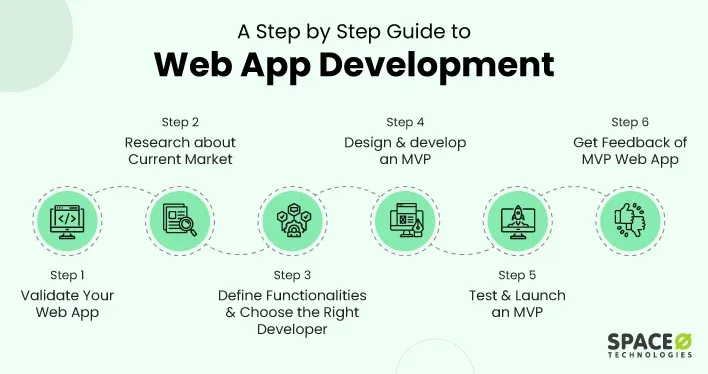
To start a custom web application development project successfully, it is crucial to have a clear understanding of your business requirements. You can achieve that by following the below steps:
Whether it is increasing sales, improving customer engagement, increasing traffic to your blogs, or streamlining internal processes, setting clear goals will guide the development process in a straight direction ensuring the application aligns with your overall business objectives.
You can't satisfy every 8.1 billion bipeds in the world with your products or services.
And there comes research, researching, and analyzing your audience's demographics, behaviour, and preferences will help you design the application with intuitive and user-friendly features such as smooth navigation, and relevant content, ultimately improving the user experience.
Gathering comprehensive functional requirements such as user authentication, data management, payment integration, and interactive interfaces will serve as a blueprint for the development team, ensuring that the final product meets your expectations and serves your business needs.
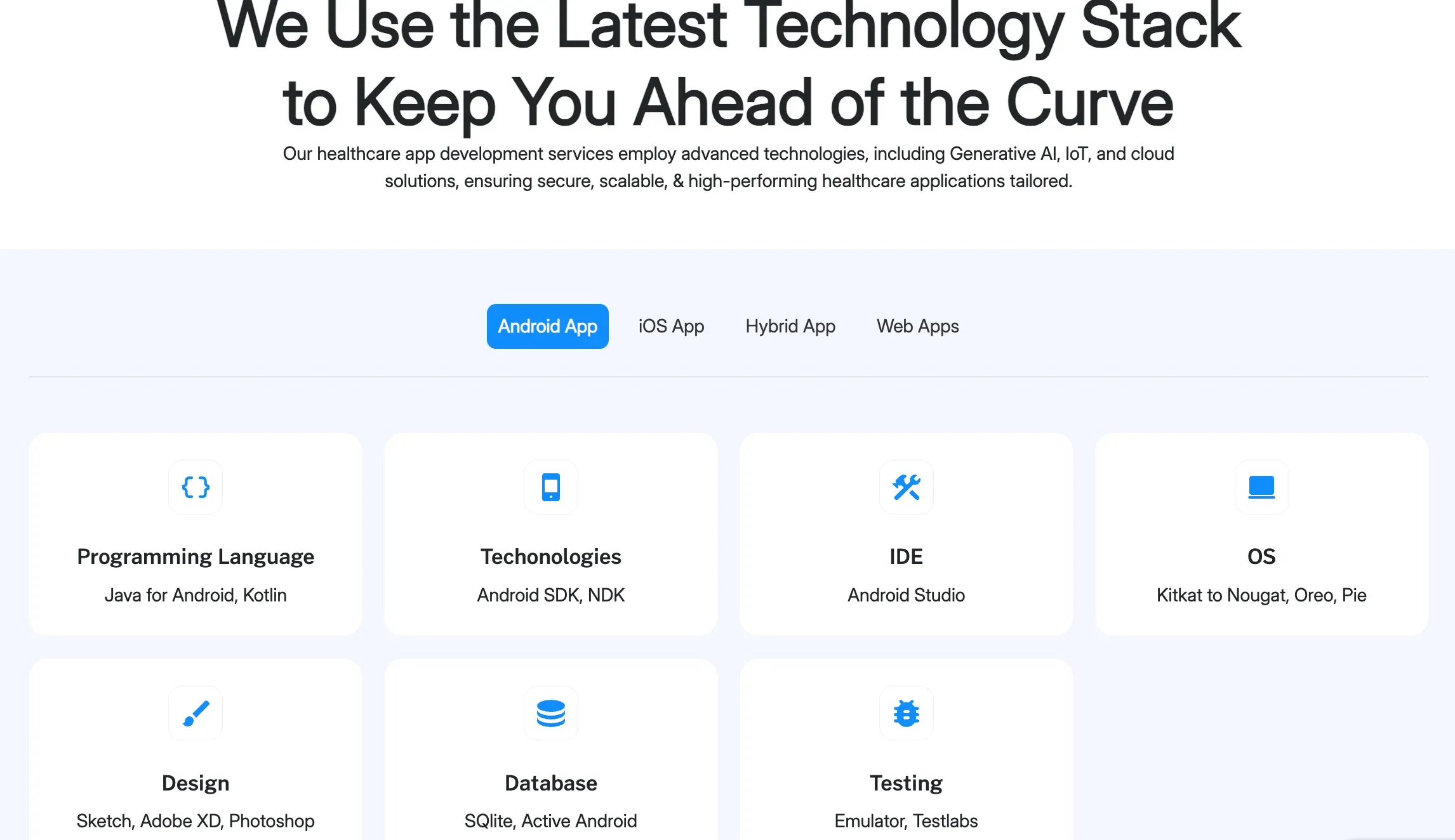
Selecting the appropriate technology stack is crucial for the success of your web application development project.
You can treat backend development as the backbone of any well-built web application, and the stability of your application will depend on the programming language you choose.
Considering scalability, community support, and your development team's expertise will help you in the long run.
Popular backend languages include Java, Python, and PHP, while frameworks like Node.js, Django, and Laravel provide a robust foundation for your web application.
After you are done with deciding the backend language, you are left with another important task, deciding the look of your application.
The look of your web application or what developers like to call, the Frontend determines how users interact with your application.
Different frontend frameworks such as React, Angular, and Vue.js, and HTML/CSS frameworks like Bootstrap, Materialize, or Bulma can be considered for a seamless user experience and strong community support.
With the scalability nature of your web application in the picture, choosing the right database management system (DBMS) becomes essential.
You also need to keep other important factors like data structure, scalability, and performance in mind.
Commonly used DBMS options include MySQL, PostgreSQL, and MongoDB. Determine the most suitable DBMS based on your web application's specific needs.
Clearly defining the project scope is essential to ensure that the development process stays on track within budget and in a defined time frame.
Identifying your goals, deliverables, and milestones will help you establish clear project objectives.
By distinctly defining what you want to achieve with the web application, whether it is launching a new product, improving user engagement, or automating internal processes you can help set up measurable objectives that can be tracked throughout the development process.
To achieve the end goal successfully, break down the project into smaller tasks, set realistic timelines for each task by identifying dependencies.
A well-defined project plan ensures that all stakeholders are on the same page and serves as a roadmap for successful project completion.
Understanding the financial implications from the start will help you make informed decisions and avoid budget limitations during your custom web app development process.
Considering factors such as development team costs, technology expenses, and any additional costs related to hosting, domain registration, and third-party integrations will help you keep the project on track.
Wireframing and prototyping play a crucial role in visualizing your web application's structure and user interface.
These steps help you gather feedback early on and make necessary improvements.
Wireframes serve as a blueprint for your web application's layout and structure. Just like bones in our body, these low-fidelity structures outline the placement of different components and features of the webframe.
Wireframing tools like Figma, Sketch, Adobe XD, or Balsamiq can aid in creating simple and intuitive wireframes that will define the user flow and application hierarchy.
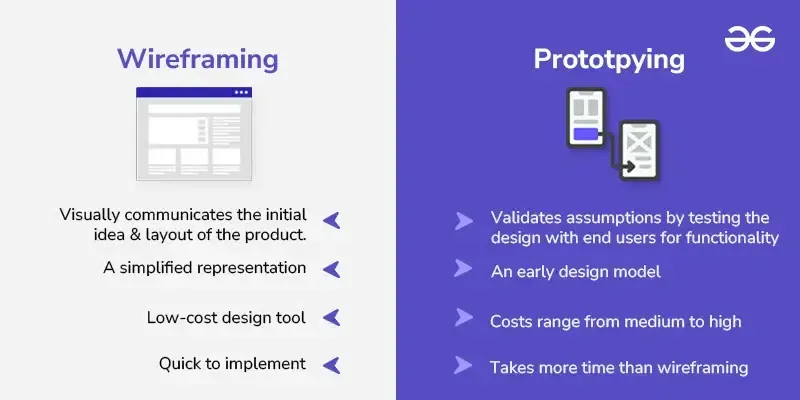
In simple terms, prototyping is giving life to the basic structures that you made in the wireframe step.
Use By creating high-fidelity clickable prototypes you can simulate user interactions and gather feedback on the application's functionality and usability.
User feedback is useful in iterating the prototypes to refine the user experience before moving on to development.
Suggested Reading:
PHP Frameworks: Choosing the Right One for Your Next Web Project
Once the project scope is defined and the design concepts are finalized, it's time to start the development process. We can see the steps below:
The MVP or Minimal Viable Product consists of essential features that address the core functionality of the web application.
By prioritizing the development of critical features, you can launch a basic version of your application that meets the most immediate needs of your users without the headache of investing additional resources.
Implementing the backend involves creating server-side logic and data management for your web application.
We know these technicalities might be going above your head, But you can simplify them by considering factors such as scalability, security, and data privacy, and integrating third-party services as necessary.
In short, aim for a well-organized backend architecture that ensures efficient data processing and smooth communication between the frontend and backend components.
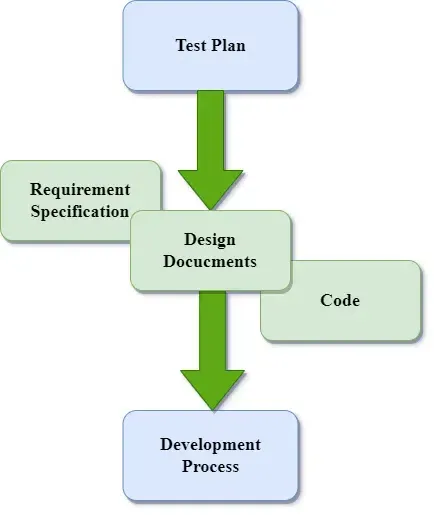
The front end consists of developing the user interface (UI) and user experience (UX) elements.
Convert the finalized design concepts into code using the selected front-end technologies and frameworks.
You can achieve a great user experience by focusing on creating an intuitive and visually appealing interface that aligns with the wireframes and prototypes making sure your web application is responsive and compatible across different devices and web browsers.
Testing and quality assurance are critical yet the most essential steps in the web application development process.
Conducting comprehensive functional, usability, and performance testing will ensure that all features and modules are working as planned if not then will suggest the areas for improvement to optimize the application's speed and responsiveness.
Address any bugs or issues that arise during testing and ensure that the final product meets high-quality standards.
Once the development and testing phases are complete, you need to deploy your web application to a production environment.
This involves configuring hosting, setting up servers, and implementing security measures.
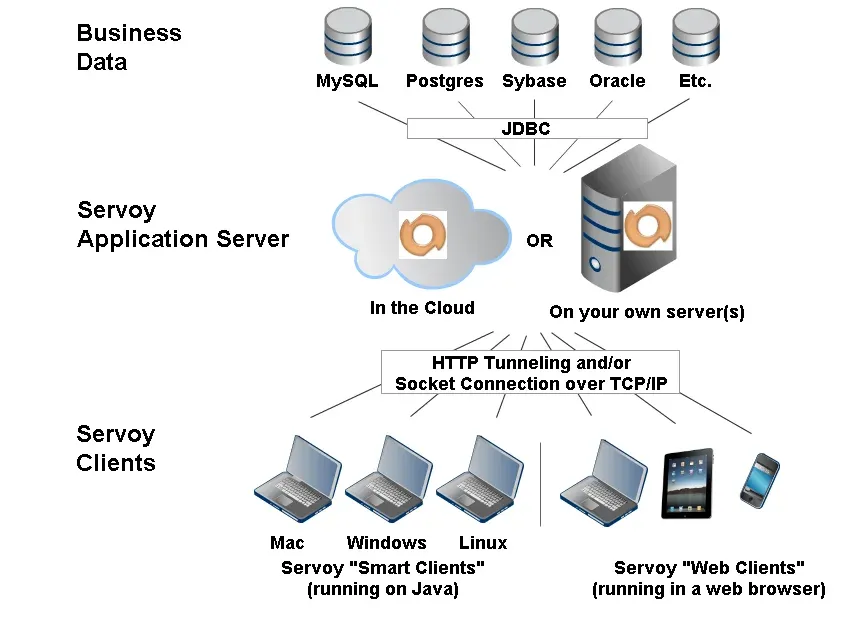
Choosing the right hosting provider is crucial for the performance and reliability of your web application.
Configure your servers to meet the technical requirements like server uptime, and scalability of your application and optimize them for performance and security.
Implement caching mechanisms, content delivery networks (CDNs), and any necessary security measures to protect your web application and its data.
After setting up the necessary configurations, such as domain registration, SSL certificates, and DNS settings you are ready to deploy your web application i.e. making it accessible to users on the internet.
You can plan the deployment carefully to minimize downtime and disruption to users and also test the deployed application to ensure it works correctly in the production environment.
Once the web application is deployed, your task is not finished here, as it will require ongoing maintenance and support.
This ongoing process will include regularly monitoring the application for performance issues, providing regular software updates to introduce new features, and responding promptly to user feedback, bug reports, and support requests.
Continuous maintenance and support ensure that your web application remains secure, reliable, and up to date.
Starting a custom web application development project can be both exciting and challenging.
By understanding your business requirements, choosing the right technology stack, defining the project scope, wireframing and prototyping, and following a structured development process, you can set the foundation for a successful web application.
Remember to prioritize user experience, thoroughly test your application, and ensure proper deployment and ongoing maintenance.
With proper planning and execution, your custom web application can help drive your business growth, enhance productivity, and deliver value to your users.
Custom Development
7 Apr 2026
Tell us what your business actually runs on today, and we will map what it takes to make it one system.