

Custom Development
Alcohol Delivery Market Share and Trends: Size, Growth, & Business Opportunities
7 Apr 2026
Facebook has evolved from a social platform to a robust marketplace with over 3 billion users globally. As of 2024, Facebook remains the most popular social commerce platform, accounting for nearly 50% of social purchases in the U.S.
This growth is powered by features like Facebook ecommerce Pay, which integrates payment management across Facebook’s family of apps, including Messenger and Instagram.
For businesses on Facebook, payment tools and order updates streamline ecommerce, while promotional messages keep customers informed about new products. Nearly 70% of Facebook users access the platform daily, making it a prime space for businesses to thrive.
By adopting payment management tools and optimizing for frequent user interactions, businesses can benefit from these built-in features, ensuring efficient financial tracking and seamless communication through Facebook promotional messages and order updates.
Facebook ecommerce users must first set up a payment account. Having a properly configured payment method helps run advertisements or buy products. It also ensures that all transactions are conducted with ease and security.
Below is a step-by-step guide on how to add payment methods.
This intuitive process ensures smooth transactions across Facebook and its associated platforms. Here’s an in-depth walkthrough to help you get started.
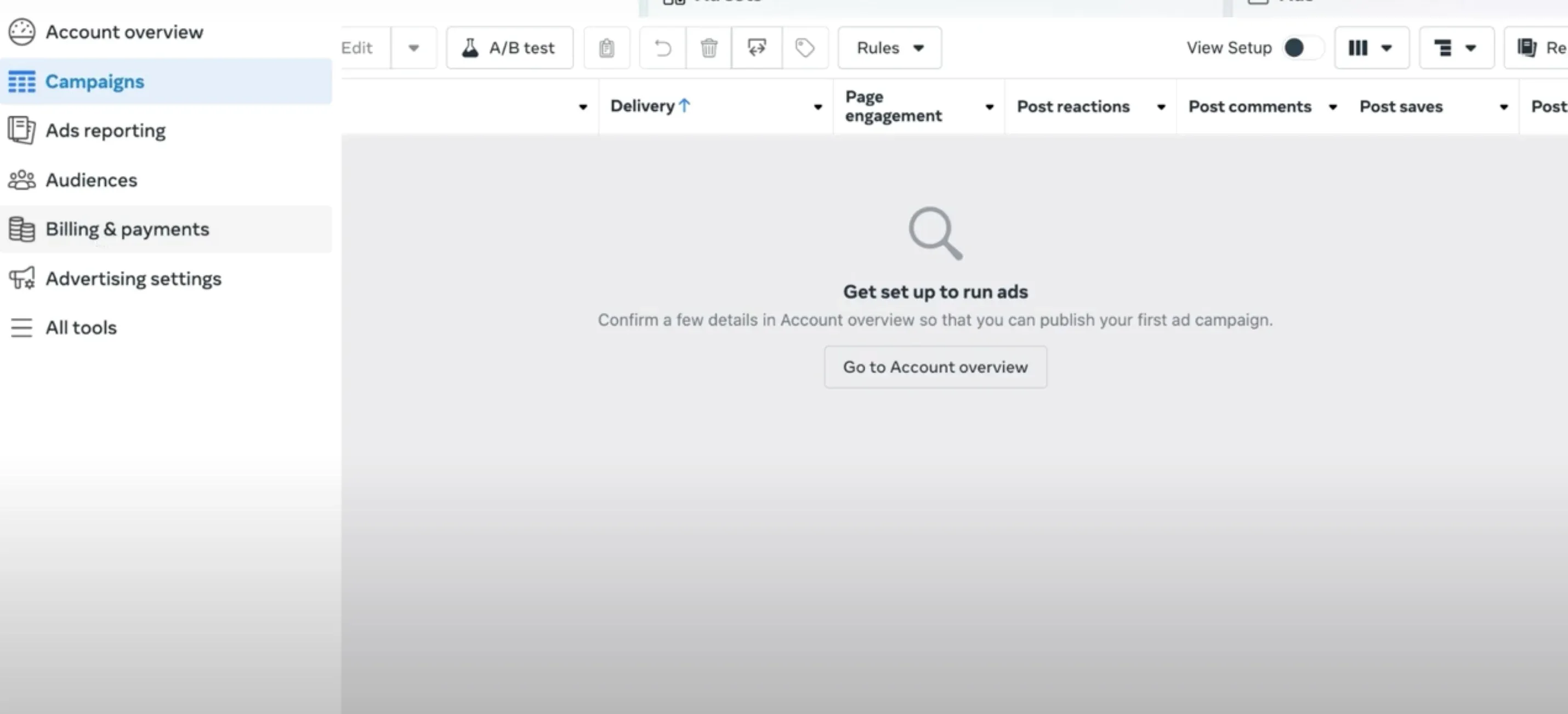
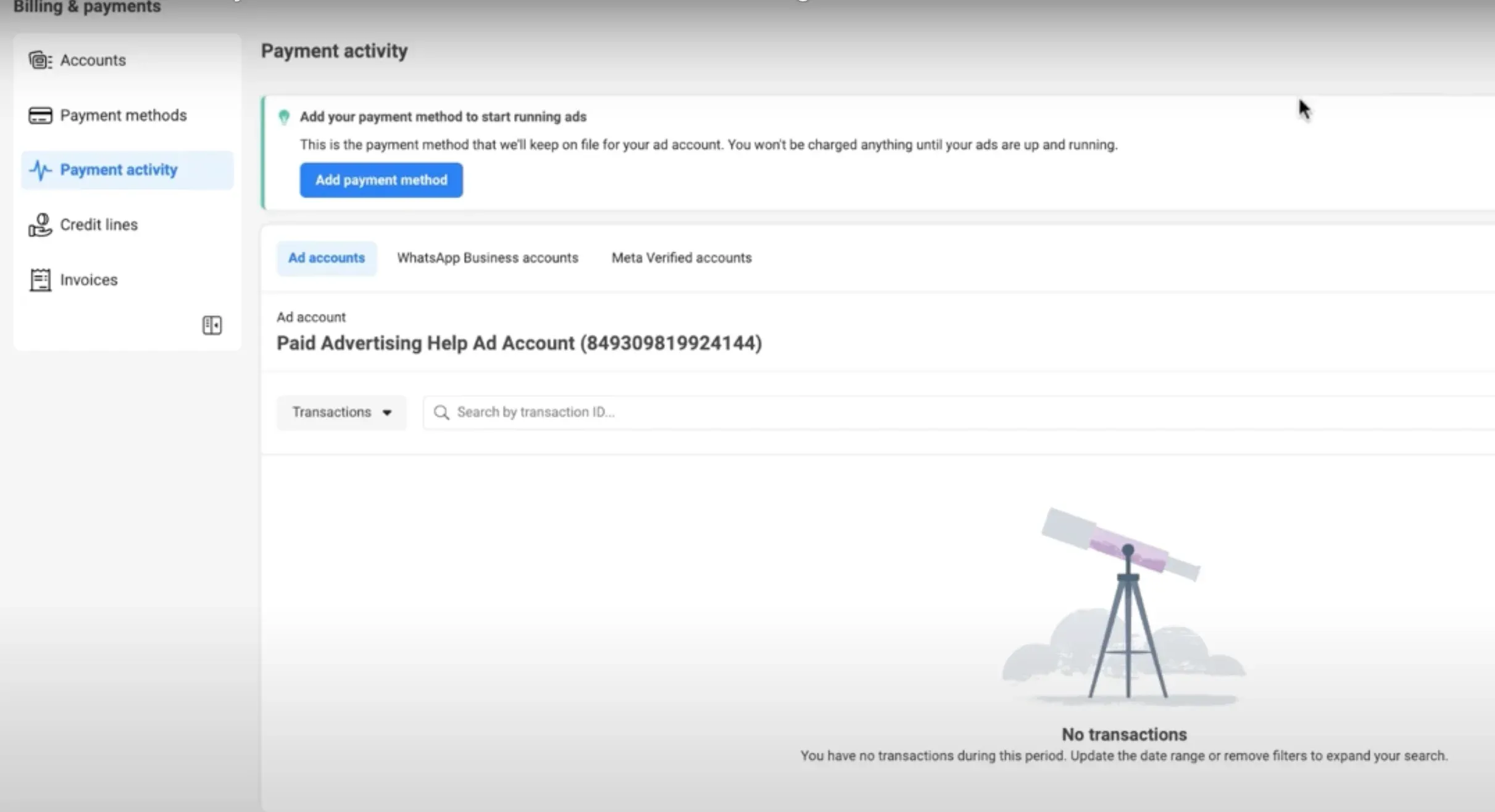
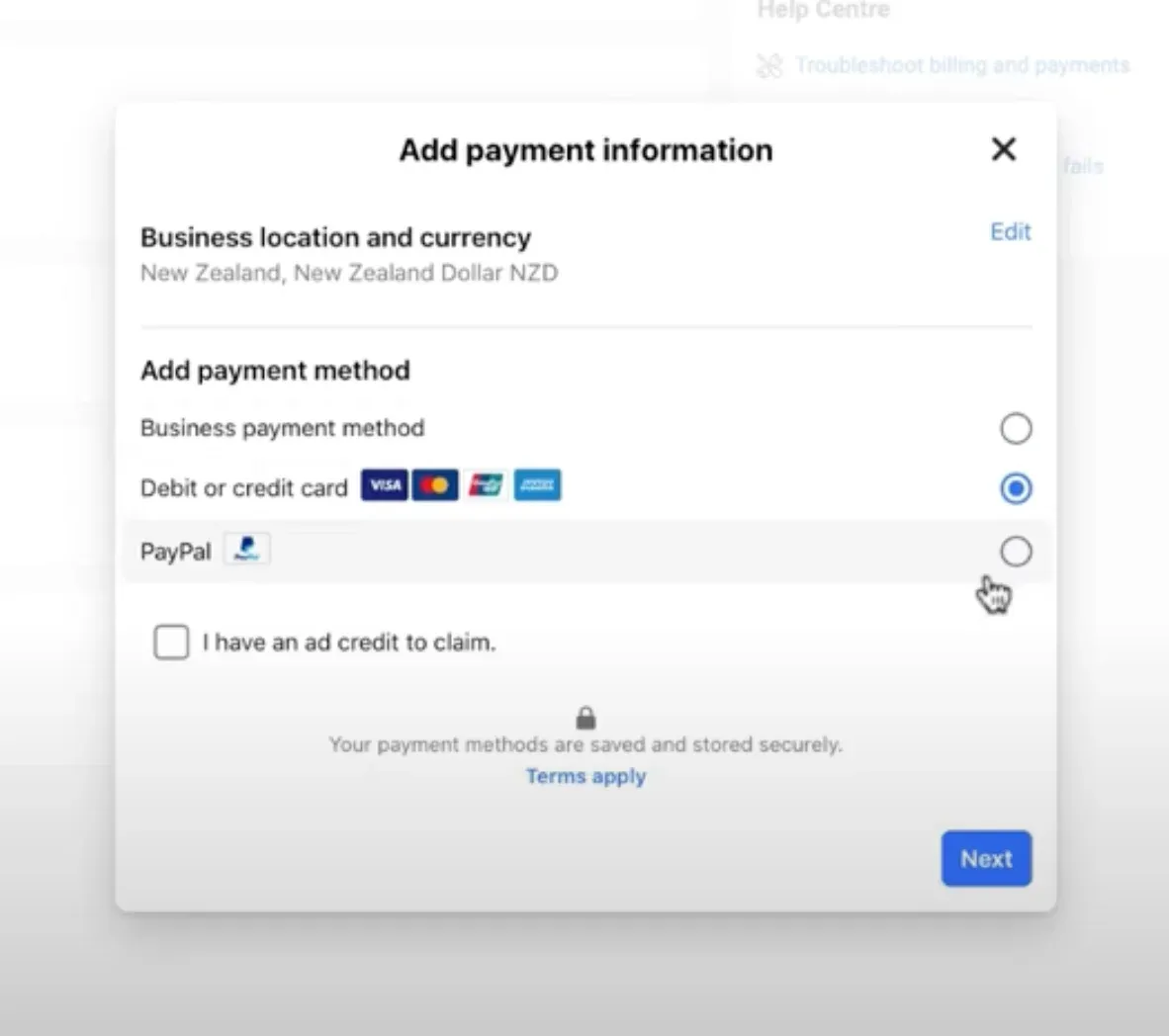
Facebook ecommerce caters to a global audience and accepts various currencies for transactions. USD, Euro, and British pounds are universally accepted, as are numerous other currencies worldwide, reflecting its diverse user base.
To find out which currencies are available for your region, go directly to the payment settings in your Facebook account. These offerings can frequently be updated.
Setting up a new payment method for your Facebook ecommerce or user account will smooth the path to paying for advertising campaigns or buying products. The process becomes streamlined with a properly set-up payment account. Always ensure the details entered are accurate, and regularly review your payment methods for any timely updates.
Making and receiving payments on a Facebook ecommerce page can significantly enhance customer interaction.
Let's see how to send invoices and receive payments directly through Facebook. We can also discuss the integration of third-party payment processors.
Sending invoices and receiving payments on Facebook utilizes the platform’s business tools while integrating external third-party payment processors.
This enhances ease in managing transactions directly where you interact with your customers.
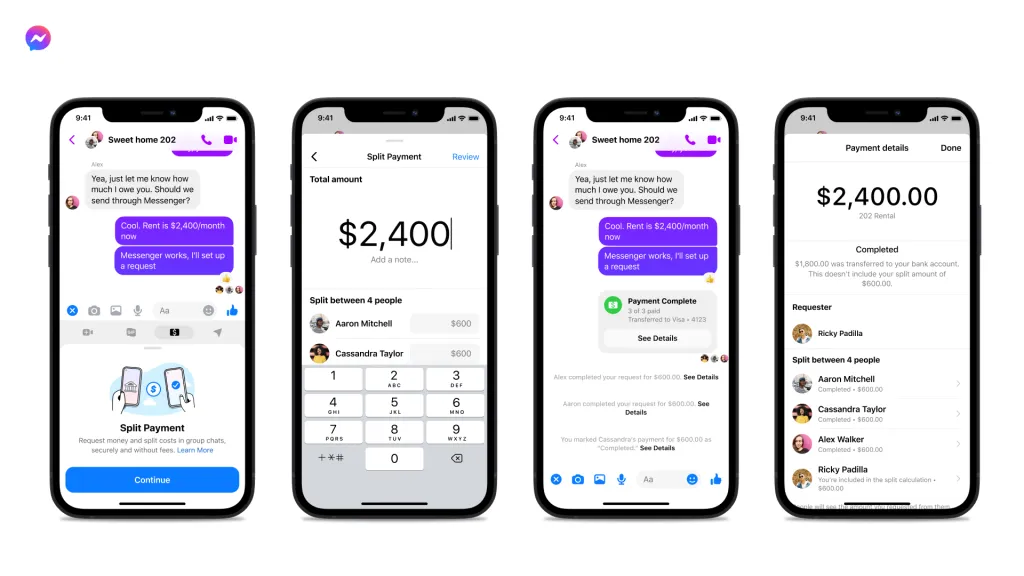
If your Facebook ecommerce business requires more versatile payment solutions, integrate third-party payment processors like Stripe, PayPal, or Google Pay to expand payment capabilities beyond what Facebook natively offers.
Securing financial transactions in an era of expanding digital marketplaces, like Facebook ecommerce, requires attention to cybersecurity measures.
Protection from threats requires a multipronged approach, incorporating robust authentication methods, secured communication, regular software updates, vigilant monitoring, and compliance with data privacy standards.
To protect financial transactions on platforms like Facebook ecommerce, following best practices for payment management and secure communication is crucial. Below are the key steps:
Implement multi-factor authentication (MFA): To secure transactions, a password and a one-time code sent to a mobile device must be required.
Use strong, unique passwords: To mitigate risks from data breaches on other platforms, ensure each account has a distinct password.
Encrypt communication: SSL/TLS encryption protects data transmission, preventing unauthorized eavesdropping or tampering.
Monitor transactions regularly: Review order updates in Facebook for any suspicious activity.
Ensure software is updated: Keep all systems updated to close security vulnerabilities.
Comply with data privacy standards: Adhere to legal requirements to safeguard customer data when handling Facebook promotional messages and payments.
These steps help secure your business on Facebook and ensure safe financial transactions.
To ensure secure transactions, Facebook offers several payment security features to protect users' financial information and prevent unauthorized access. Below are the key features:
Advanced encryption technologies: Facebook uses encryption protocols to secure both transmitted and stored data, ensuring confidentiality during transactions.
PCI-DSS compliance: Facebook adheres to Payment Card Industry Data Security Standards, ensuring secure handling of credit card information across the platform.
Fraud detection systems: The platform monitors transactions for unusual activity, providing added security for payment management.
Secure login methods: Multi-factor authentication and secure login options safeguard accounts from unauthorized access.
Regular security updates: Facebook implements frequent software updates to address potential vulnerabilities.
Order updates in Facebook: The platform offers real-time updates on transaction status, improving transparency and control.
Protected payment methods: Facebook Pay allows secure transactions across its apps, such as Messenger and WhatsApp, ensuring the protection of user data from threats.
These features, along with Facebook’s secure communication channels, help businesses on Facebook manage payments and keep Facebook promotional messages and customer transactions safe.
To manage and troubleshoot payments on Facebook, a structured approach is necessary for resolving issues and tracking payment histories. Below are some troubleshooting tips:
Check payment methods: Ensure that the payment methods linked to Facebook Pay are active and updated to avoid transaction failures.
Review transaction logs: Regularly review your payment management history and order updates in Facebook to identify any discrepancies or unauthorized transactions.
Verify recipient information: Incorrect recipient details can lead to failed payments. Double-check the details before processing transactions.
Monitor for Facebook promotional messages: Sometimes, promotional offers can be delayed or affect transaction processing times, so be aware of any Facebook messages that might impact payments.
Contact support for unresolved issues: If standard troubleshooting methods don’t resolve the problem, contact Facebook’s payment support for guidance.
These tips help ensure smooth payment management for businesses on Facebook, minimizing issues and ensuring efficient transactions.
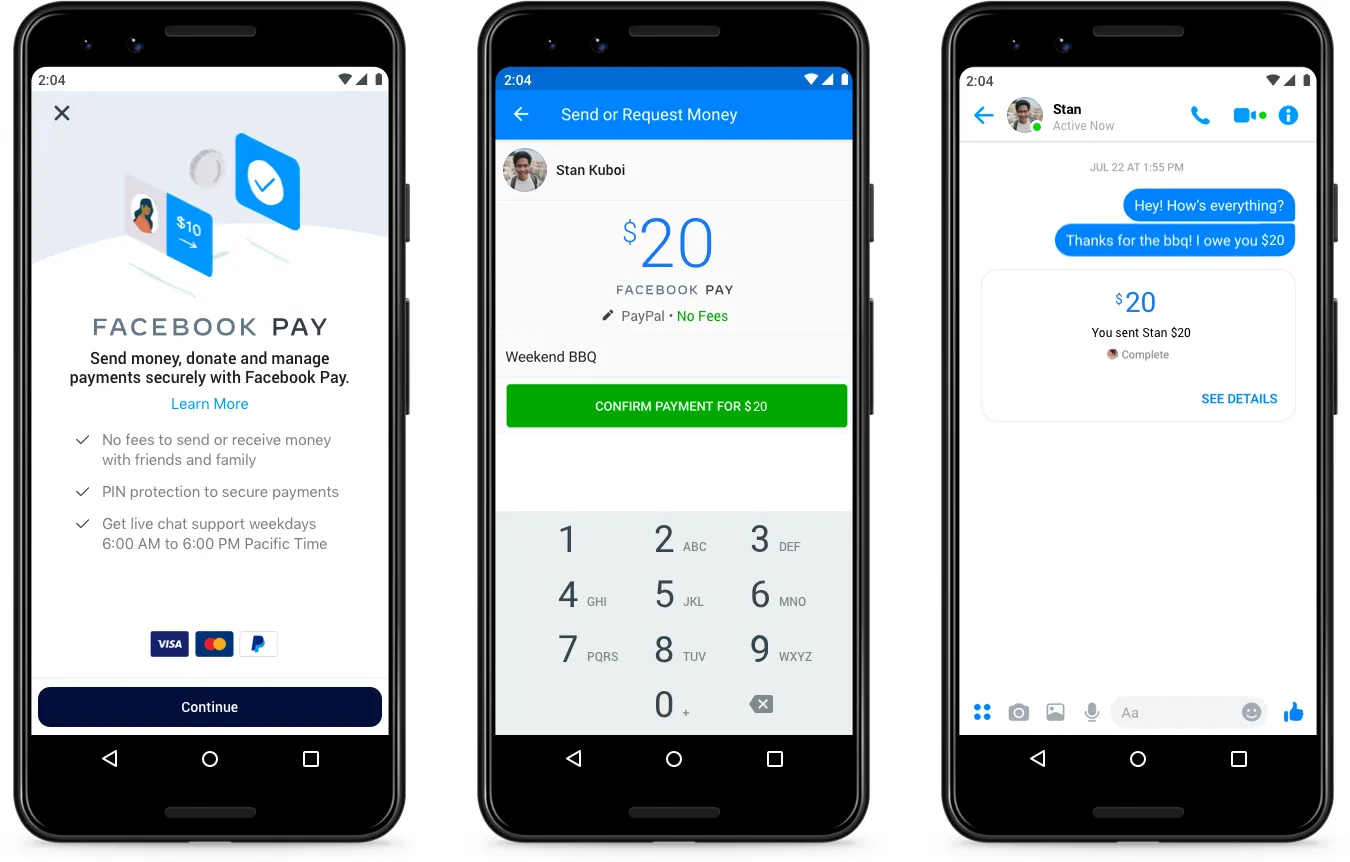
Managing payments efficiently is crucial for any business on Facebook. By utilizing a centralized payment system and accounting software, businesses can streamline transactions and effortlessly track Facebook promotional messages.
Whether you are a Facebook ecommerce or an individual, you can use a centralized system to manage your transactions, making monitoring incoming and outgoing payments easier.
Many platforms, including Facebook Marketplace, offer integrated payment systems that record every transaction in one place.
For Facebook ecommerce, integrating accounting software with your payment system can automatically record transactions. This saves time and reduces the likelihood of human error.
It allows for real-time tracking of cash flow, outstanding invoices, and payment histories.
Schedule regular intervals—daily, weekly, or monthly—to review and reconcile your payment transactions.
This practice helps detect discrepancies, unauthorized transactions, or double charges and enables timely resolution.
Securely store all transaction records and payment history of your Facebook ecommerce operations. Utilize encryption for digital records and a secure location for physical receipts and invoices.
This protects sensitive information from unauthorized access.
The strategic integration of Facebook's payment tools and analytics provides a significant advantage for ecommerce businesses aiming to enhance sales and streamline payment management. As the digital marketplace rapidly evolves, Facebook ecommerce shops must adapt to stay competitive.
Businesses can uncover new growth opportunities by leveraging payment data to guide decisions and consistently improving the customer payment experience.
The inter-app payment system—spanning Facebook, Instagram, and WhatsApp—simplifies cross-platform shopping and enhances user convenience. Additionally, advancements such as sending invoices via Facebook product messages make managing payments more efficient.
With these tools, Businesses of Facebook can optimize their operations, enhance sales, and ensure a seamless customer experience.
Custom Development
7 Apr 2026
Tell us what your business actually runs on today, and we will map what it takes to make it one system.