
Building an app doesn’t have to mean hiring a full development team.
No-code tools are changing everything. Startups, enterprises, and even AI platforms are launching fast, scalable products without writing traditional code.
Among these tools, Bubble.io stands out.
From SaaS products to marketplaces and mobile-ready web apps, businesses are using Bubble to test ideas, scale quickly, and solve real problems.
In this guide, we’ll explore 10 inspiring Bubble.io app examples, uncover why they succeed, and share lessons you can apply to your own no-code projects.
Why Businesses Build Apps with Bubble.io
Businesses are choosing Bubble.io for its sppeed, flexibility, and cost efficiency.
Bubble web apps cover a wide range of use cases across industries that need fast, scalable, and cost-effective solutions.
Here’s a comprehensive look at why businesses rely on Bubble and what makes it so powerful for no-code app development.
Faster Launches
Time is money. Bubble lets teams bring ideas to life quickly, without waiting months for traditional development.
Startups and enterprises alike can test and iterate in real time.
Lower Development Costs
Hiring developers and managing projects adds up.
Bubble reduces expenses while still delivering powerful, fully functional apps.
Scalable SaaS Platforms
Apps built with Bubble grow with your users.
From MVPs to full-scale SaaS, Bubble supports expansion without constant rewrites.
Marketplace Functionality
Connecting buyers, sellers, and services is easy.
Bubble provides the tools to launch marketplaces without complex backend engineering.
AI and Automation
Smart features are simple to add.
Bubble integrates AI tools and automates workflows with minimal effort.
Enterprise Tools & Multi-Device Support
Bubble powers internal dashboards, custom workflows, and apps that work seamlessly on web and mobile devices.
This combination of affordability, scalability, and versatility makes Bubble.io a top choice for businesses of all sizes.
Many teams that look for greater flexibility or custom mobile and web solutions also partner with low-code, no-code platforms like AppsRhino for similar speed and scalability. You can build professional, tailored apps without hiring a full development team.
10 Best Bubble.io App Examples and Use Cases
Bubble.io powers apps across industries, from SaaS platforms to marketplaces and AI tools.
These 10 Bubble app examples showcase the most prominent Bubble.io use cases, each paired with a real-life example of an app built using this incredible platform.
1. My AskAI
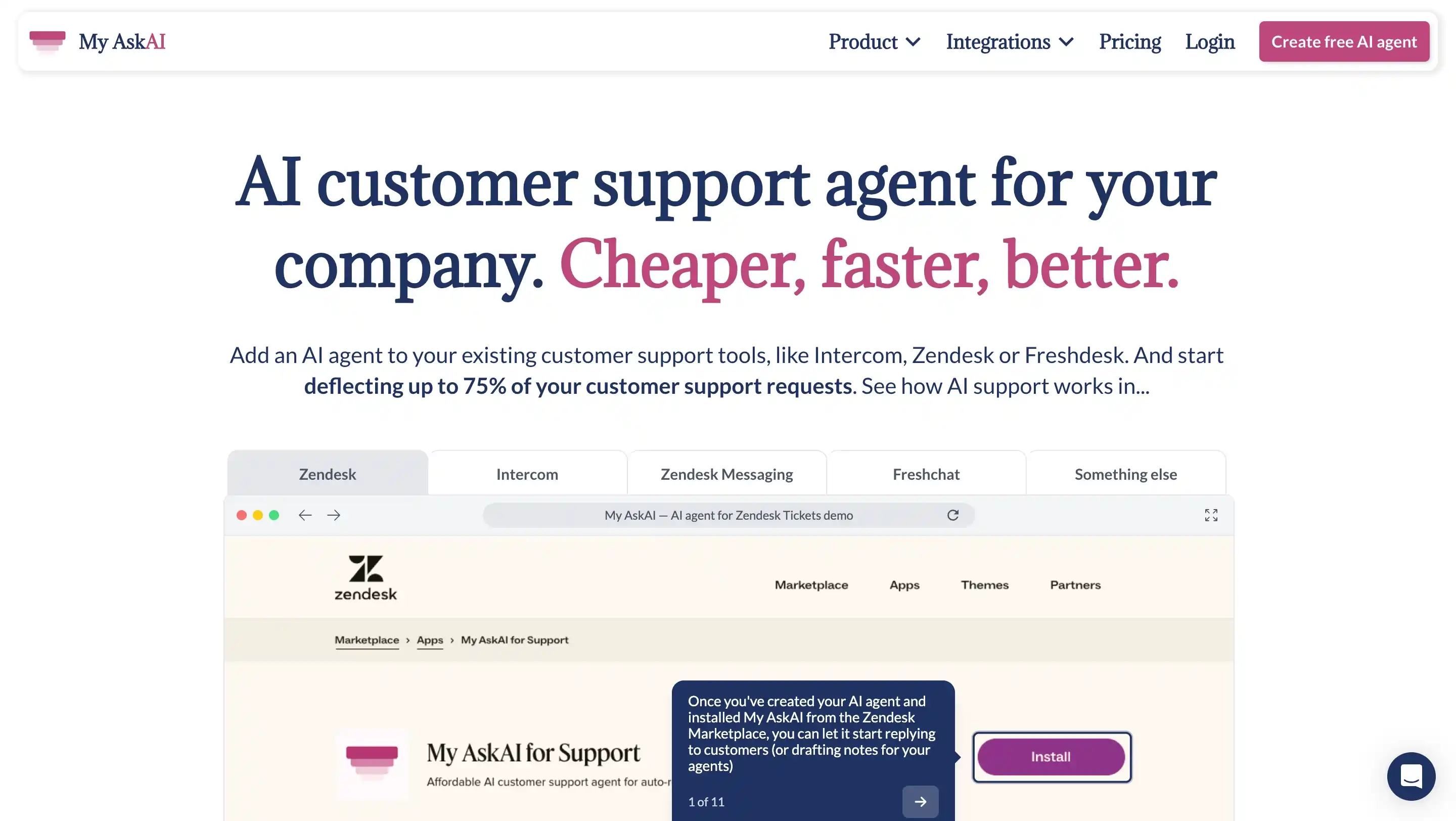
My AskAI started with a simple goal: help businesses use AI without technical hurdles.
Built with Bubble, it lets users create AI agents tailored to their own content. In just six weeks, the founders turned their idea into a working product.
Bubble’s no-code platform made this rapid development possible. This is how apps built with Bubble deliver powerful AI solutions quickly and efficiently.
Today, My AskAI reduces support ticket volumes and provides seamless customer service through advanced features like AI Tasks and self-learning from historic tickets. It remains one of the most prominent and practical Bubble SaaS examples in the AI sector.
Details:
- Founders: Mike Heap and Alex Rainey
- Website: myaskai.com
- Use Case: Artificial Intelligence & Customer Support Automation
- No. of Users: 40,000+
- Revenue: Six-figure ARR with expanding enterprise adoption
2. Kreante
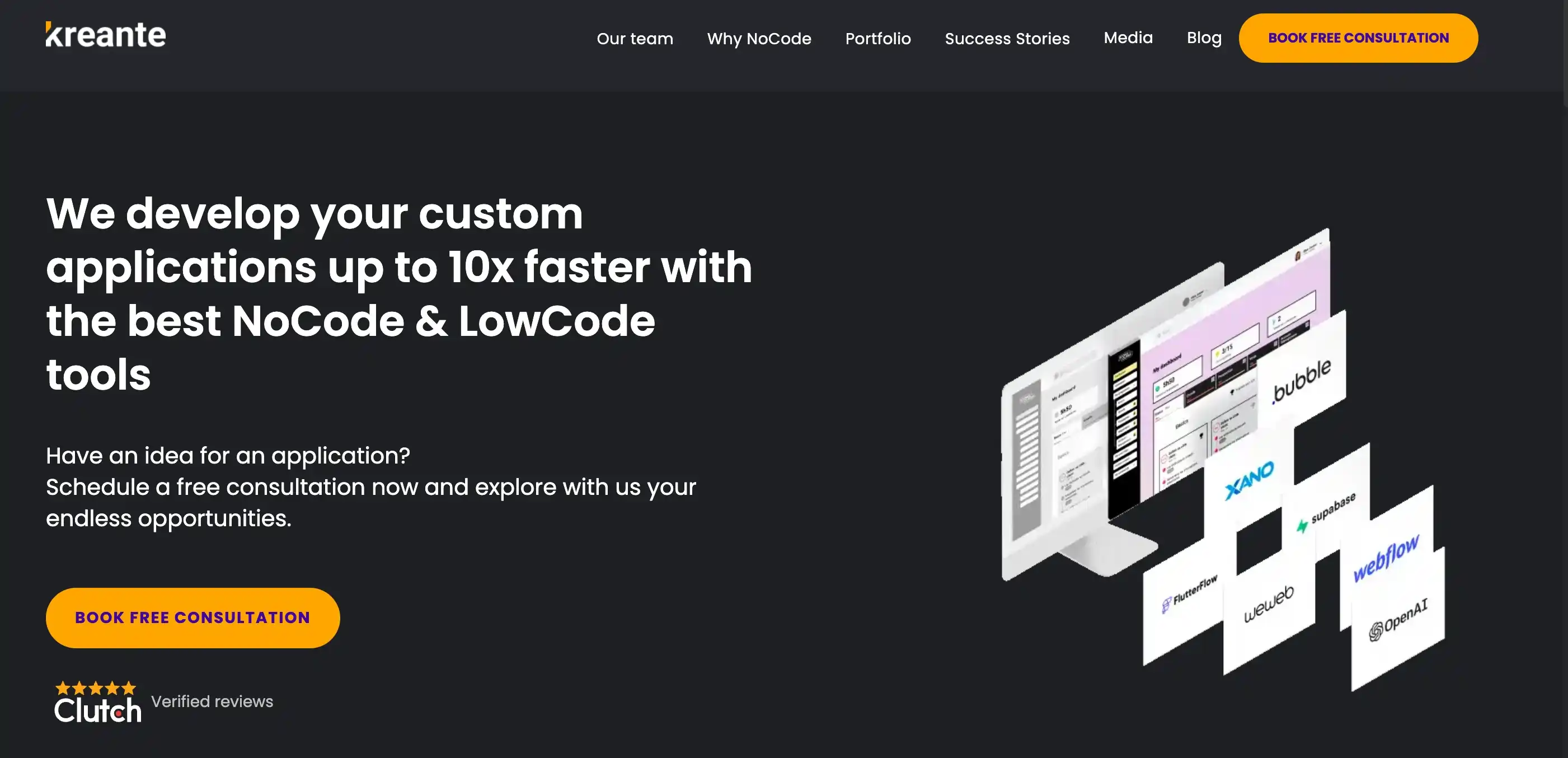
In 2020, Jorge saw Bubble’s potential to transform Peru’s startup scene. He convinced Christiam, who had been away from product development for 12 years, to join him in founding Kreante, Peru’s first Bubble agency.
Their mission: help local entrepreneurs access no-code solutions.
Using Bubble, Kreante built sophisticated apps quickly, without traditional coding. This approach cuts development time and costs while delivering custom solutions. Within two years, Kreante earned a strong reputation and landed high-profile clients, including the French government and Peru’s largest insurance company.
Their journey shows how Bubble.io development agencies can democratize technology and empower businesses across industries.
Details:
- Founders: Jorge and Christiam
- Website: www.kreante.co
- Category: No-Code Bubble Development Agency
- Countries Served: 35+
- Projects Shipped: 150+
- Team Members: 25+ full-time Kreanters
3. Seagate
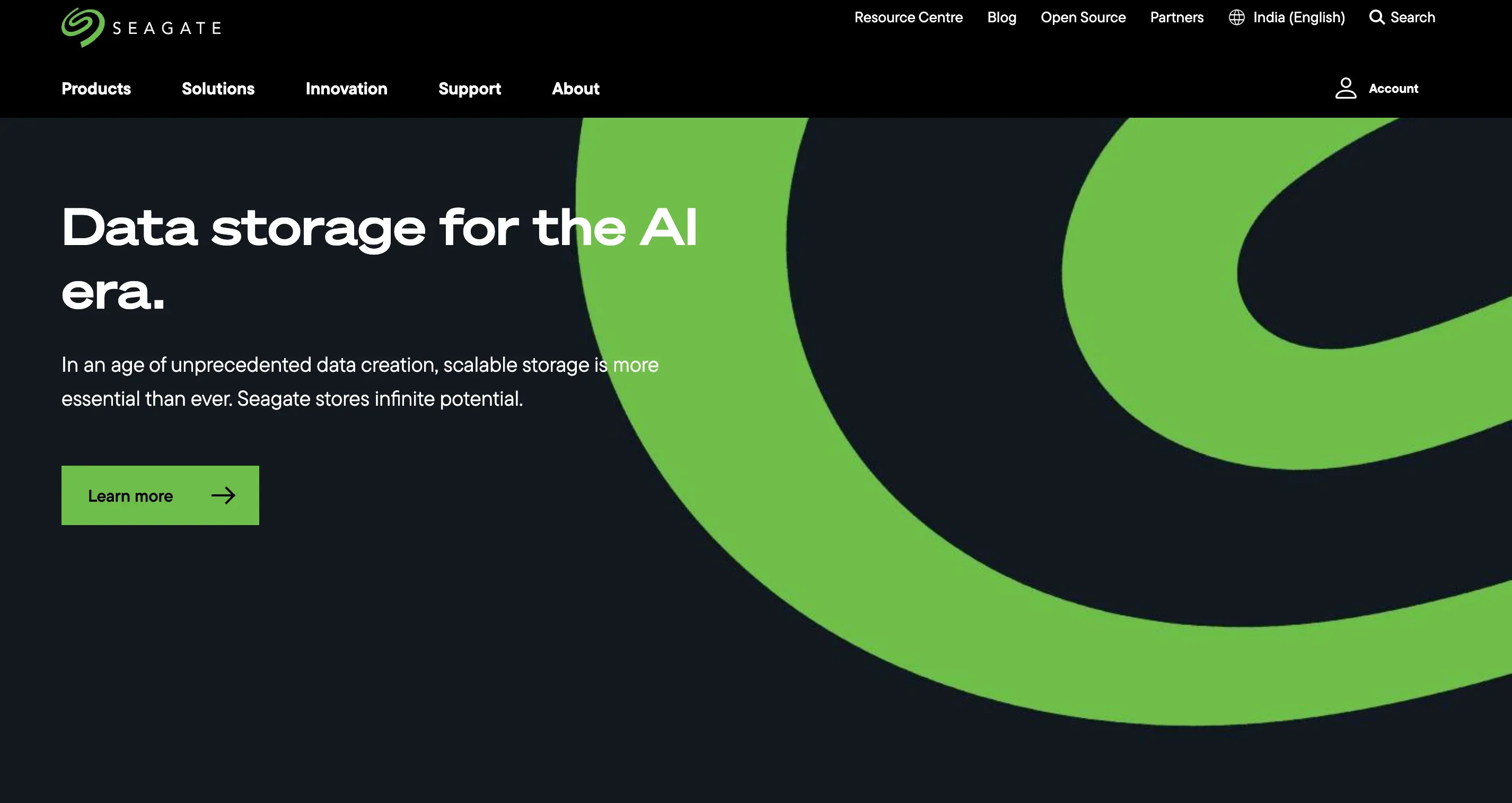
Seagate, a leader in data storage, wanted to improve operational efficiency.
They developed the Lyve Admin Console, a centralized hub of 11 micro-apps to manage processes from order fulfillment to ecosystem controls. Seagate chose Bubble’s no-code platform for rapid development and flexibility.
This approach allowed quick prototyping and smooth integration across departments, creating a dynamic system that adapts to evolving business needs.
Seagate’s use of Bubble is a strong custom Bubble app example, showing that apps built with Bubble aren’t just for startups; they can also drive efficiency and innovation in large enterprises.
Details:
- Founder: Seagate Technology
- Website:seagate.com
- Category: Enterprise Data Management
- Time Savings: 5x
- Cost Savings: 50%
- Team Members: 10,001+ Seagate Employees
4. BluBinder
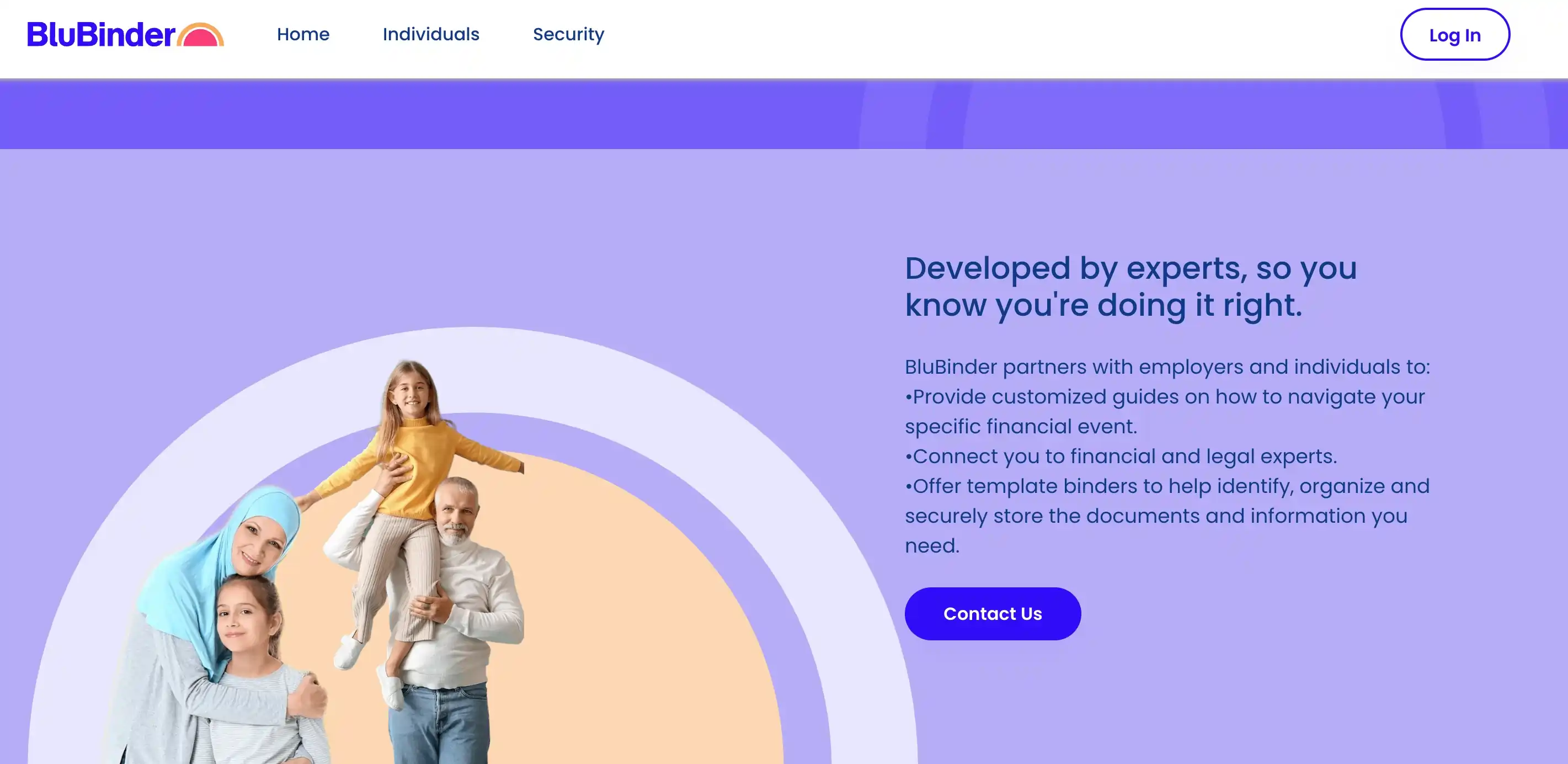
BluBinder, founded by Liesl Leach, was created to help families manage the financial and legal aspects of elder care. After raising about $650,000 in funding, Liesl explored traditional development but faced high costs and long timelines.
Instead, she chose Bubble and worked with a developer to build a user-friendly platform, launching it in just weeks.
The app lets families organize and securely store critical documents, making important decisions easier and faster. As a standout Bubble app example, BluBinder shows how the platform can deliver meaningful solutions efficiently.
It highlights the versatility of Bubble.io use cases, where no-code development enabled rapid, cost-effective innovation for a pressing societal need.
Details:
- Founder: Liesl Leach
- Website: blubinder.com
- Category: FinTech / LegalTech
- Target Audience: Families, individuals, and employers (offered as a workplace benefit)
- Funding: around $650,000+ in seed funding
- Savings in Three Months: $150K
- Total Addressable Market: $10 Billion
5. GovAutomations
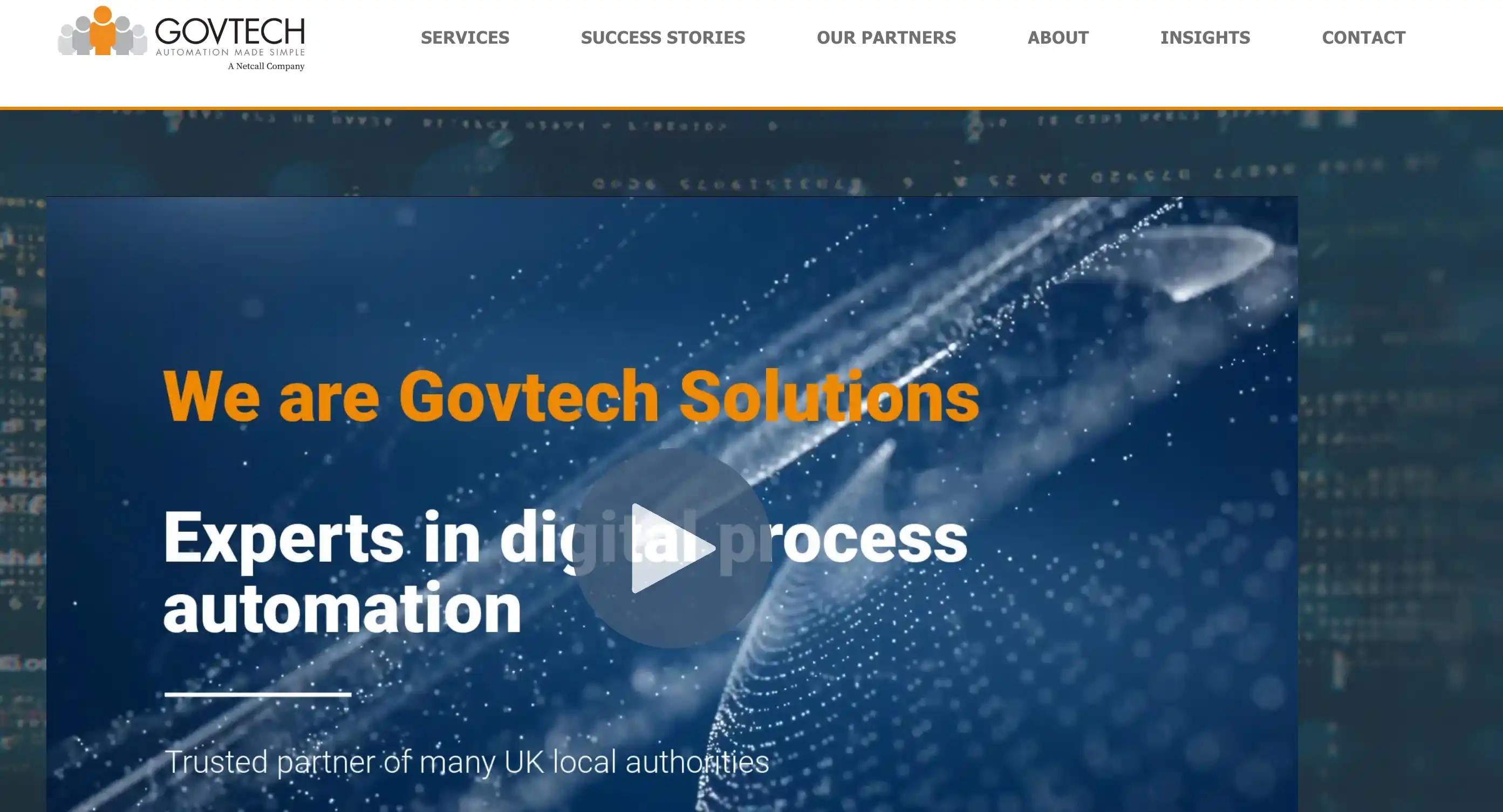
In late 2023, the City of Atlanta’s Department of Procurement faced inefficiencies from manual processes and outdated systems, affecting billions in annual expenditures.
To modernize operations, they partnered with APG Emerging Tech (APGET) and Codi Technologies to build GovAutomations Procurement, a centralized platform that streamlines procurement workflows.
Using Bubble’s no-code platform, the team planned in mid-November 2023, started development later that month, and deployed the first phase by early January 2024 (a remarkable timeline for such a comprehensive system).
The platform layers a user-friendly interface over the city’s existing Oracle database, integrating seamlessly with legacy systems. This Bubble.io use case demonstrates how Bubble.io apps can drive efficiency in the public sector and open opportunities for broader municipal adoption.
Details:
- Founders: APG Emerging Tech (APGET) and Codi Technologies
- Website: www.govtech.co.uk
- Category: Government Procurement Automation
- Kickoff to Launch: 1.5 months
- Reduction in Workload: 80%
- Interactions Processed Per Annum: 43.5 million
6. Axial
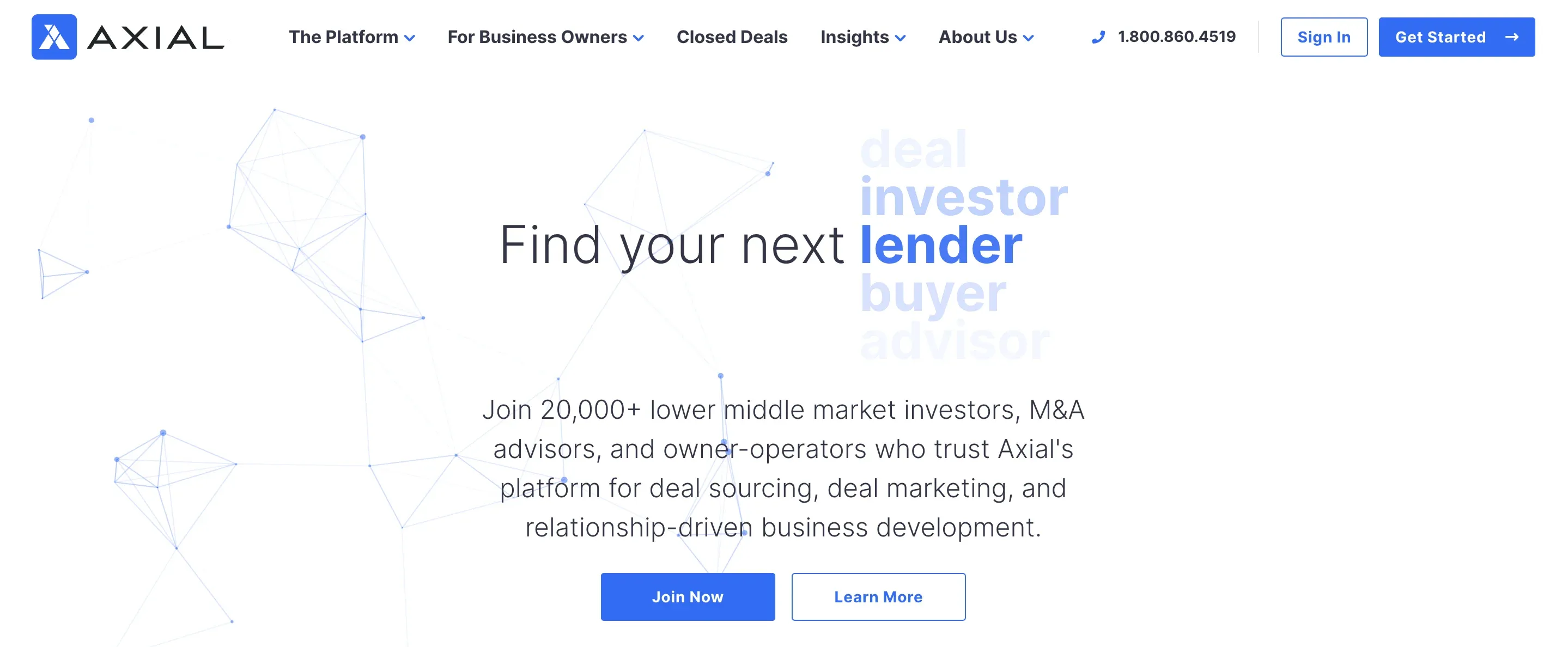
In 2010, Peter Lehrman envisioned a seamless marketplace for private company transactions. His idea became Axial, a standout custom Bubble app example showing how apps built with Bubble can transform industries.
Axial has facilitated over 2,000 closed deals, connecting more than 10,000 financial investors, M&A advisory firms, and company executives in the lower middle market. The platform empowers small and mid-sized businesses to raise capital or sell their enterprises by linking them with buyers, investors, and lenders.
Each year, over 10,000 transactions are posted, covering companies with revenues from $2.5 million to $250 million.
Axial demonstrates the power of no-code solutions, creating a dynamic ecosystem where opportunities are discovered, partnerships flourish, and deal-making is simplified. This is one of the most impactful bubble.io app examples in the marketplace category.
Details:
- Founder: Peter Lehrman
- Website: www.axial.net
- Category: Marketplace
- Geography: US & Canada-based businesses
- Revenue: $2.5M - $250M
- Industry Verticals: Healthcare, Consumer, TMT, Business Services, Food & Beverage, and more
- Deals Per Year: 10,000
7. Flexiple
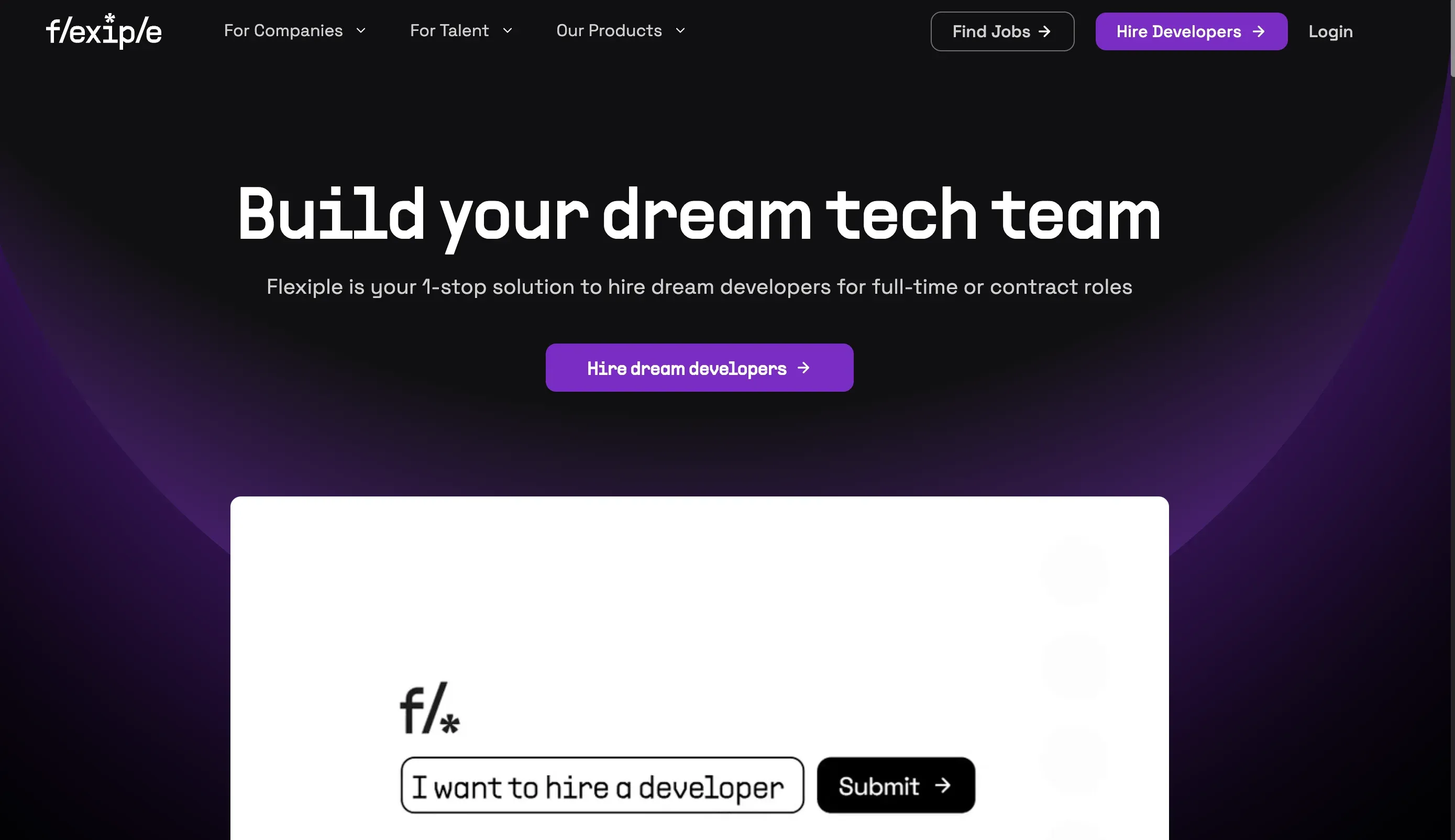
Flexiple connects companies with top freelance developers and designers, solving the challenge of finding reliable tech talent.
Founded in 2016 by Karthik Sridharan, Hrishikesh Pardeshi, and Suvansh Bansal, the platform was built using no-code tools, including Bubble. This Bubble.io app example shows how a lean, no-code tech stack costing just $100 per month enabled rapid scaling.
By 2026, Flexiple had processed over $6 million in talent payments, supporting thousands of freelancers and companies in the marketplace.
Flexiple demonstrates the power of Bubble apps, delivering flexible, high-quality solutions that empower businesses to build their dream tech teams efficiently.
Details:
- Founders: Karthik Sridharan, Hrishikesh Pardeshi, and Suvansh Bansal
- Website:flexiple.com
- Category: Marketplace
- Job Seekers: 100,000+
- Talent Payments: $6 Million
- Average Time-to-Hire: 72 hours
8. Pebblz by WeGetDesign
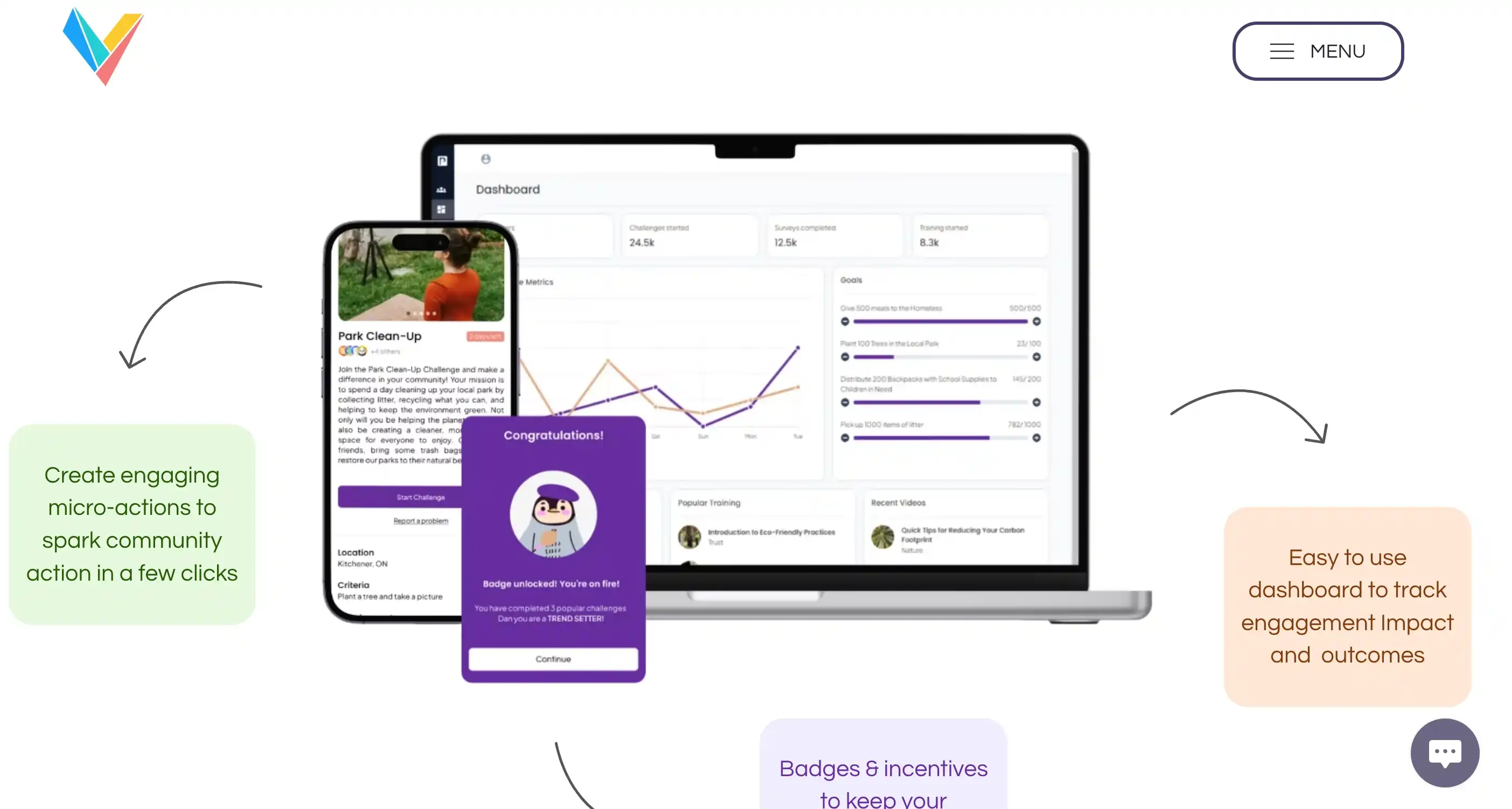
Pebblz, developed by WeGetDesign, is a standout Bubble app example designed to help non-profits manage volunteer networks and community engagement. The platform focuses on usability and impact, simplifying volunteer recruitment, scheduling, and activity tracking, while providing tools to measure overall outcomes.
Using Bubble’s no-code capabilities, Pebblz reduces manual tasks and enhances communication between organizations and their volunteers.
It’s among the leading Bubble mobile app examples that showcase how the platform turns ideas into responsive and intuitive web apps that drive positive change in communities.
Details:
- Founder: Omar Moulani
- Website:www.wegetdesign.com
- Category: Non-profit & Community Management
- Time Savings: 7X
- Non-Profit Members: 170,000+
9. Airspace

In 2016, Nick Bulcao and Ryan Rusnak founded Airspace to transform time-critical logistics.
By 2024, the company had raised $138 million, establishing itself as a leader in the industry.
Airspace is an exemplary Bubble.io app, featuring a platform that integrates technology, personnel, and Bubble.io development services to provide end-to-end shipping solutions with full transparency.
The platform ensures expedited deliveries with improved accuracy for sectors like aerospace, healthcare, and technology. Operating from Carlsbad, California, Airspace manages shipments across the U.S. and Europe, offering automated dispatching and real-time tracking.
With a dedicated team of logistics and technology professionals, Airspace continues to set new standards in logistics, delivering critical shipments with speed, reliability, and precision.
Details:
- Founders: Nick Bulcao and Ryan Rusnak
- Website:www.airspace.com
- Category: Logistics
- On-time Delivery Rate: 99%
- Facilities Served: 120
10. Playground IEP
Playground IEP is a bubble AI app that helps teachers streamline special education workflows.
The app offers AI-powered tools for IEP writing, progress monitoring, and caseload management, replacing chaotic spreadsheets with an intuitive, easy-to-use interface.
Supporting over 12,000 educators, Playground integrates seamlessly with existing Student Information Systems, ensures strict data privacy, and boosts operational efficiency. The platform enables teachers and school leaders to create personalized, standards-aligned IEP goals, track student progress, and schedule meetings effortlessly.
It’s a prime example of how Bubble AI tools can deliver sophisticated solutions that are mobile-ready, user-friendly, and designed to improve outcomes for both students and educators.
Details:
- Founder: Sean Klamm
- Website: playgroundiep.com
- Category: Special Education & AI Tools
- Educators Supported: 12,000+
- Key Features: AI IEP Writing, Progress Monitoring, Caseload Management
These Bubble app examples highlight the real-world impact of Bubble.io, showing how businesses and organizations are leveraging no-code tools to build efficient and innovative solutions.
Bubble.io Use Cases by Industry
Bubble.io enables fast, scalable app development for diverse industries, helping businesses and organizations turn ideas into functional, high-impact solutions.
These platforms show how best Bubble.io apps and bubble SaaS examples solve real problems and drive growth.
Node.js vs Bubble.io: Advantages, Limitations, and Use Cases
Choosing between Node.js and Bubble.io depends on your project’s complexity, budget, and timeline.
This quick comparison table helps you understand speed, cost, scalability, customization, and ideal use cases.
Key Takeaways:
- Bubble.io is ideal for fast prototyping, small teams, and quick SaaS launches.
- Node.js suits large, custom systems needing full flexibility and performance.
Understanding these trade-offs ensures the right tech choice and helps your project launch efficiently with the right balance of agility, cost, and functionality.
If you're comparing no-code platforms beyond traditional development stacks, it’s helpful to see how Bubble stacks up against FlutterFlow for mobile-first and design-focused applications.
When to Hire a Bubble.io Development Company
Not every Bubble project needs outside help.
It depends on your skills, project size, and goals. Here’s how to know when to DIY, hire a freelancer, or work with an agency.
DIY for No-Code Founders
If your app is simple or you’re just testing an idea, you can build it yourself.
Perfect for founders comfortable with Bubble and working on a tight budget.
Hire a Freelancer
Medium-complexity apps benefit from freelance expertise.
Freelancers handle specific features, integrations, or design tasks without the cost of an agency.
Bring in an Agency
Big projects, marketplaces, or enterprise apps benefit from agencies.
They provide full support, technical guidance, and help launch faster.
Indicators: Multi-user apps, custom workflows, AI integrations.
Cost Tip: Freelancers are cheaper; agencies cost more but save time and reduce risks.
Companies seeking more control without hiring a full agency also partner with low-code/no-code platforms like AppsRhino to build custom web and mobile apps quickly.
You can create professional, scalable solutions while keeping costs and timelines under control.
Conclusion
Building an app no longer requires a full development team.
No-code tools like Bubble.io let startups, businesses, and educators turn ideas into real products quickly and affordably.
From marketplaces and SaaS platforms to AI-powered tools and internal dashboards, these solutions help teams launch, test, and scale without long timelines or high costs. The 10 examples we explored show how real organizations solve problems, streamline workflows, and reach users more effectively.
No-code development empowers creators to focus on their vision and impact, while the technology handles the heavy lifting behind the scenes.
Frequently Asked Questions
Related quick blogs.