

Custom Development
Alcohol Delivery Market Share and Trends: Size, Growth, & Business Opportunities
7 Apr 2026
Managing inventory effectively is one of the biggest challenges for business owners. Whether you run a retail store, an e-commerce business, a manufacturing unit, or a logistics company, having the right inventory management system can be the difference between operational efficiency and chaos.
In this guide, we'll break down what an inventory management system is, common inventory challenges, key features to look for, and how to implement the best system for inventory management. If you're struggling with stock shortages, overstocking, or tracking inaccuracies, this guide will provide the exact solution you need.
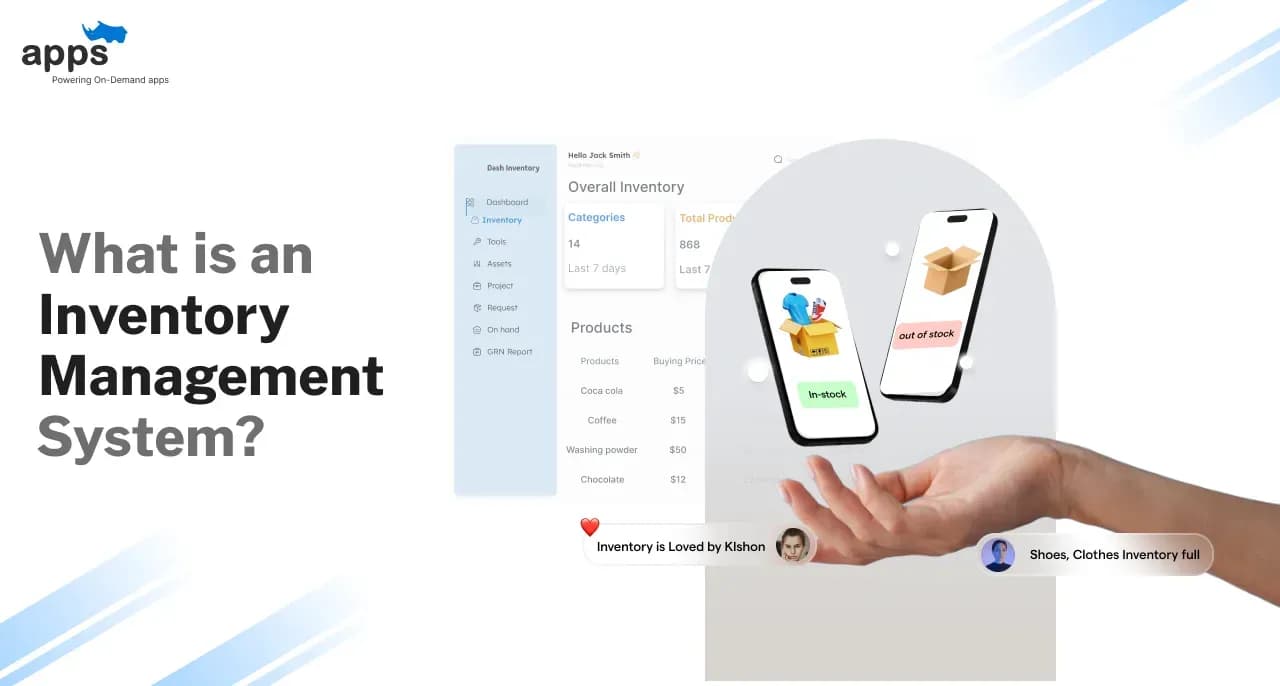
An inventory management system (IMS) is a software solution that helps businesses track, manage, and control inventory levels, orders, sales, and deliveries efficiently.
It provides real-time insights into stock availability, helping business owners optimize operations, reduce waste, and improve customer satisfaction.
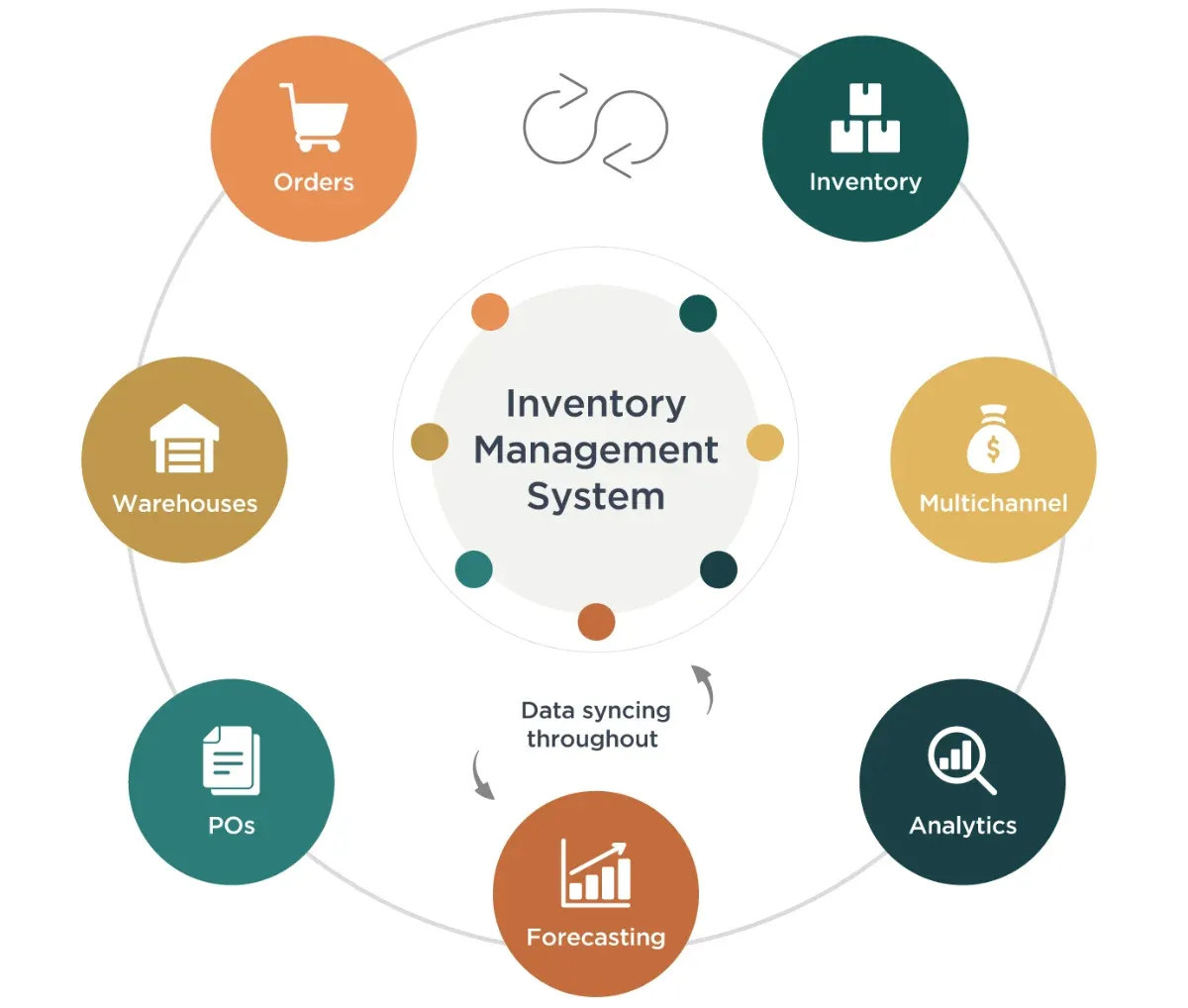
Effective inventory management ensures that businesses:
Business owners in the following industries can benefit from an IMS:
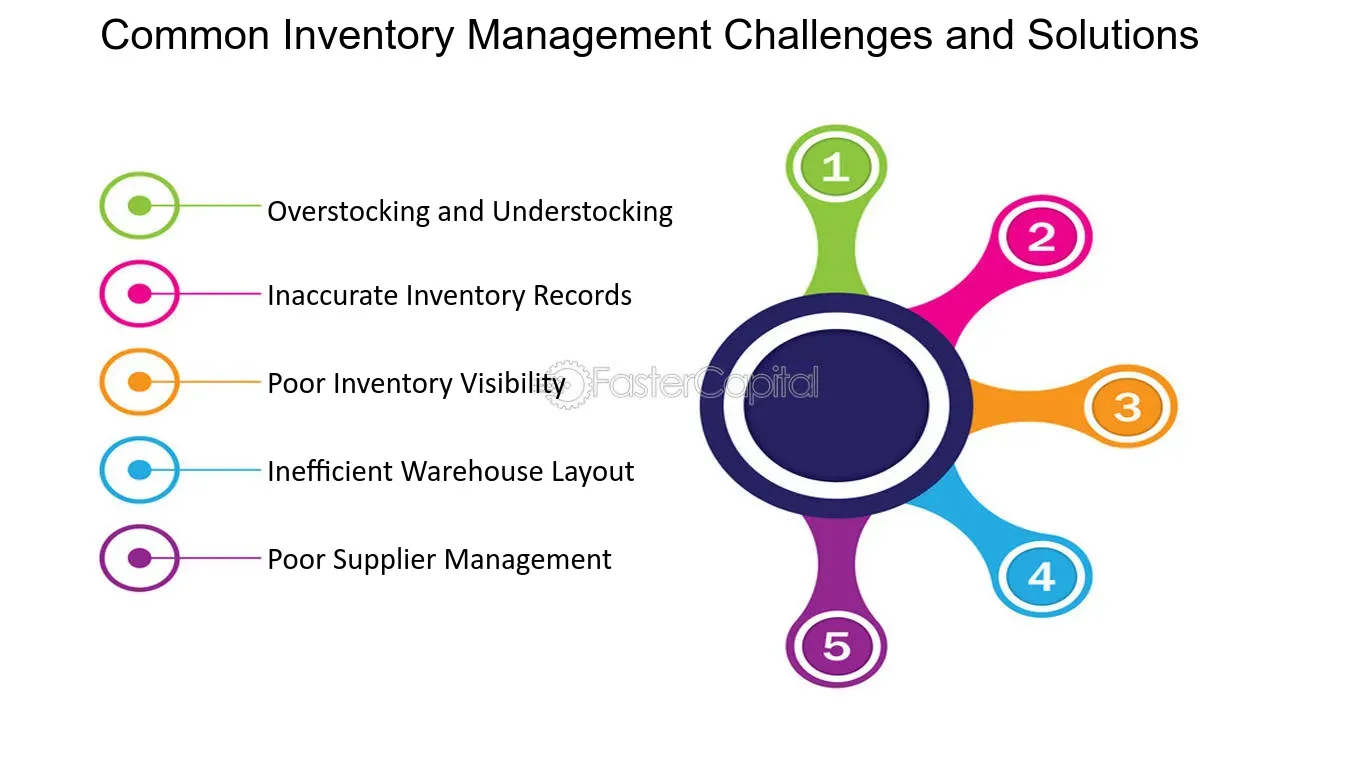
Business owners face several inventory-related challenges that impact operations, profitability, and customer satisfaction.
✅ Provides real-time stock tracking to prevent over- or under-ordering.
✅ Uses demand forecasting based on historical sales trends.
✅ Automates reorder points to replenish stock at the right time.
✅ Uses barcode and RFID scanning for accurate inventory entry.
✅ Automates inventory reconciliation, reducing human errors.
✅ Provides centralized real-time visibility across warehouses and stores.
✅ Centralized dashboard to track stock across locations.
✅ Automated order routing to fulfill from the nearest warehouse.
✅ Seamless integration with e-commerce platforms, POS systems, and supply chain tools.
An IMS helps businesses overcome these challenges by offering:
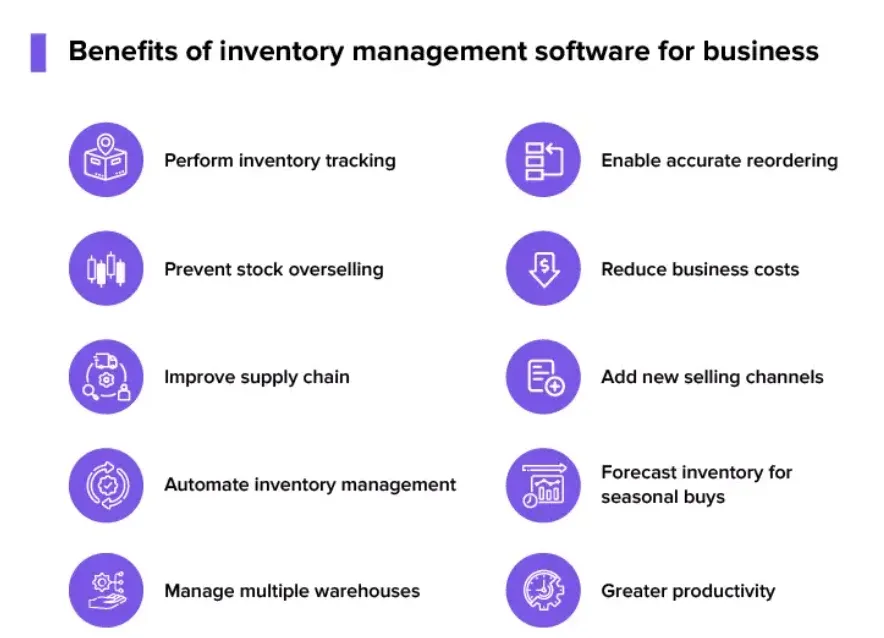
Get instant stock updates to prevent shortages and overstocking.
Example: A retail store using an IMS can check stock levels in real time and reorder fast-moving products before they run out.
Automate order processing to reduce errors and enhance fulfillment.
Example: An e-commerce store using an IMS saw a 30% decrease in order fulfillment errors, leading to fewer returns and increased customer satisfaction.
Optimize inventory levels to reduce storage and holding costs.
Example: A warehouse using an IMS reduced inventory carrying costs by 20% by maintaining optimal stock levels.
Use historical data to predict future demand trends.
Example: A food distributor reduced waste by 25% using an IMS with AI-driven demand forecasting.
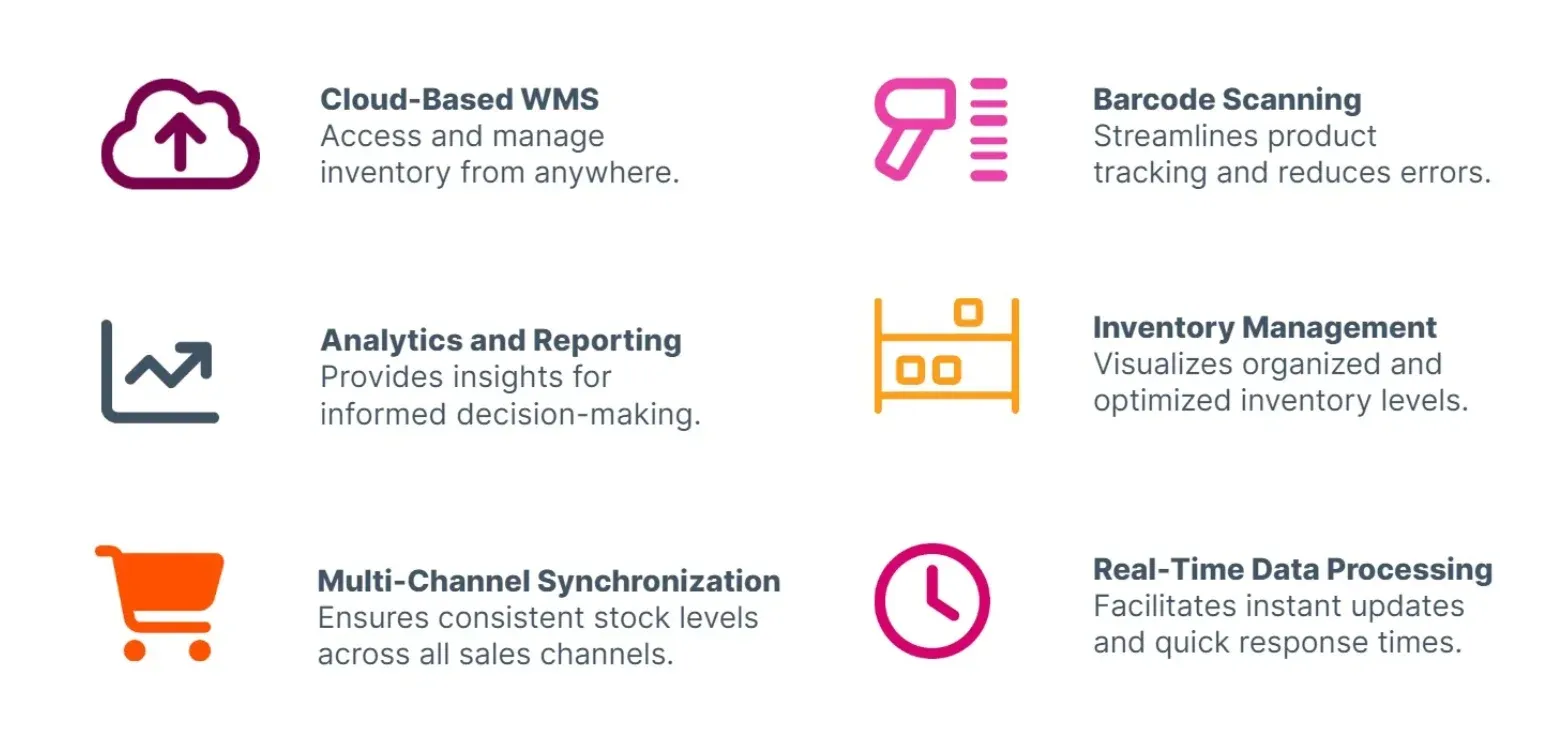
To ensure efficiency, the best system for inventory management should include the following features:
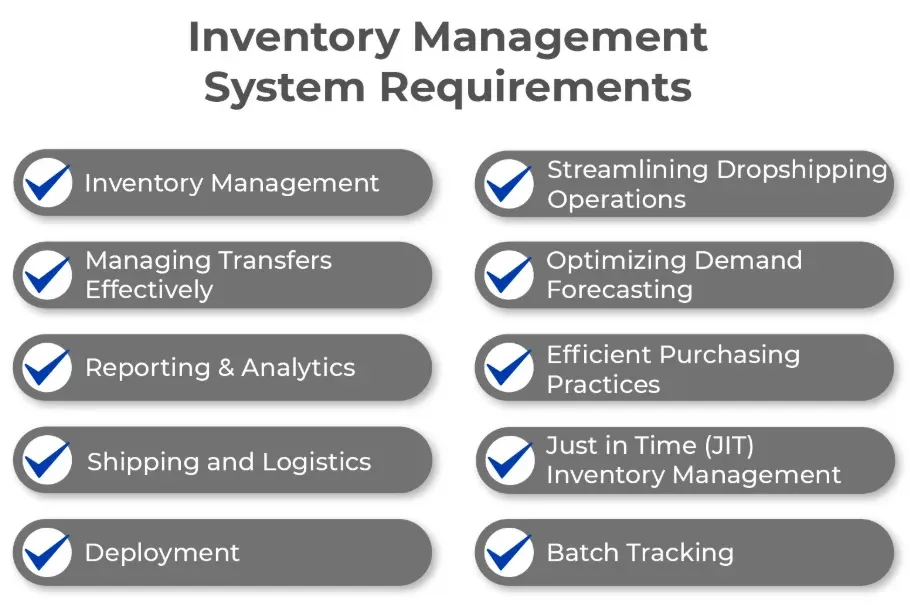
The system triggers automatic purchase orders when stock reaches a predefined threshold.
Scanning technology automates data entry for faster and more accurate inventory tracking.
Syncs inventory data across e-commerce platforms, warehouses, and retail stores.
Generates reports on inventory turnover, stock movement, and sales trends.
Implementing an inventory management system (IMS) is a critical process for businesses to optimize stock levels, reduce costs, and improve efficiency.
Below are the key steps to successfully implement an IMS:
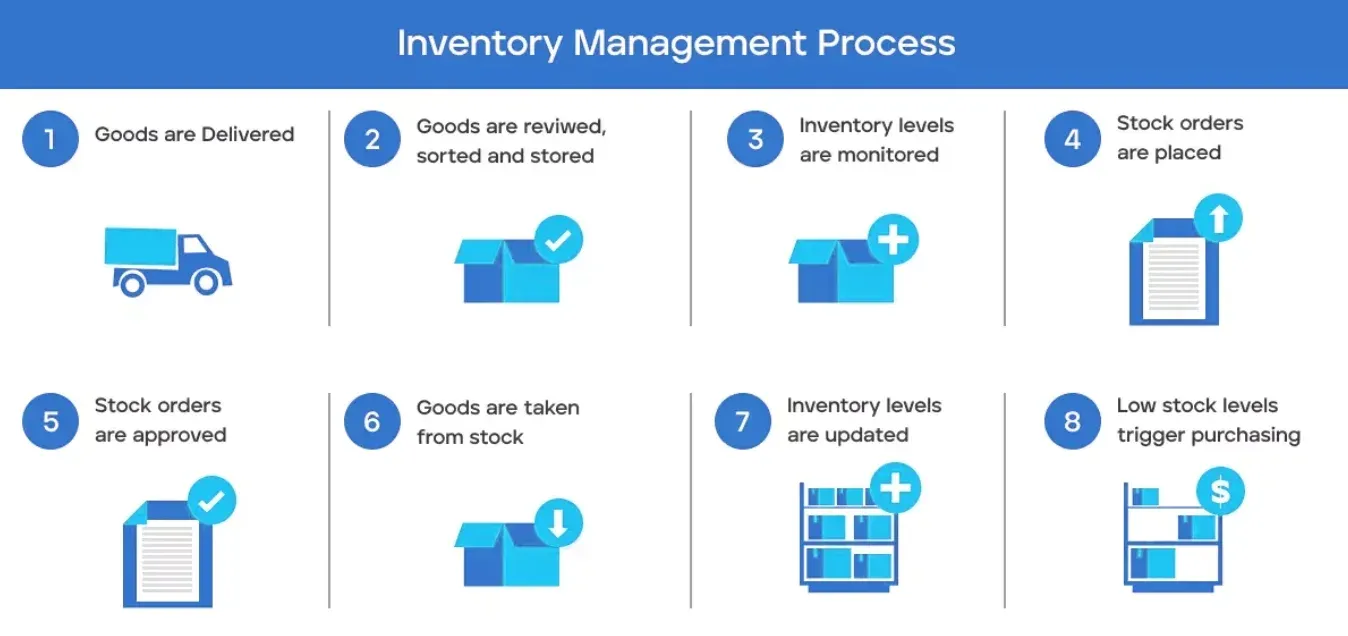
Before choosing an inventory management system, you must evaluate your current challenges and goals.
Identify Your Inventory Challenges
Define Key Objectives
💡 Example: A small retail business found that their manual tracking resulted in frequent stock mismatches. By implementing an inventory management system, they reduced stock discrepancies by 40% within six months.
Not all inventory management systems are the same. Choosing the right one depends on your business size, industry, and operational needs.
Key Features to Look For
✅ Scalability – Can the system grow with your business?
✅ User-Friendliness – Is it easy for your team to adopt?
✅ Integration Capabilities – Does it connect with your e-commerce, accounting, or ERP software?
✅ Real-Time Inventory Tracking – Does it update stock levels instantly?
Industry-Specific Needs
💡 Example: A medium-sized e-commerce business switched to an AI-powered inventory system and saw a 30% improvement in fulfillment speed due to automated stock updates.
Implementing a system is only effective if your team knows how to use it.
Provide Hands-On Training
Offer Ongoing Support
💡 Example: A warehouse team implemented a barcode-based inventory management system and reduced stock-checking time by 50% after proper training.
Even after implementation, regular monitoring ensures your inventory management system is performing optimally.
Track Performance Metrics
Make Adjustments Based on Insights
💡 Example: A wholesale supplier analyzed inventory reports and found seasonal demand trends, allowing them to adjust stock levels accordingly, reducing excess inventory by 25%.
An inventory management system (IMS) is not just a theoretical tool—it’s a practical solution that businesses across industries are using to solve real-world challenges.
From reducing stockouts to improving operational efficiency, an IMS can transform the way businesses manage their inventory.
Here are some real-world applications and examples of how businesses are leveraging inventory management systems to achieve their goals:
Example: A fashion retailer integrated an inventory management system to manage stock across multiple physical stores and online platforms.
Before implementing the IMS, they struggled with stockouts during peak seasons, leading to lost sales and frustrated customers.
After adopting the system, they achieved:
Key Takeaway: For retailers, an IMS ensures inventory accuracy across all channels, helping them meet customer demands efficiently.
Example: A manufacturing company used an IMS to track raw materials and finished goods in real-time.
Before implementing the system, they faced challenges like production delays due to insufficient raw materials and overstocking of finished products.
With the IMS, they achieved:
Key Takeaway: For manufacturers, an IMS provides end-to-end visibility into inventory, ensuring smoother operations and cost savings.
Example: An online seller automated their order fulfillment process using an IMS. Before adopting the system, they struggled with processing errors, delayed shipments, and inaccurate stock levels.
After implementing the IMS, they experienced:
Key Takeaway: For e-commerce businesses, an IMS automates repetitive tasks, improves accuracy, and enhances the overall customer experience.
An effective Inventory Management System is the backbone of any successful business. It streamlines operations, cuts costs, and keeps your stock in check.
But why settle for a one-size-fits-all solution when you can have a system built just for you?
That’s where AppsRhino shines. We specialize in Joget development, a low-code platform that lets you create custom inventory management systems quickly and efficiently.
Whether you need a simple tracking tool or a complex, multi-location solution, AppsRhino delivers tailor-made systems that grow with your business.
Ready to transform your inventory management?
Partner with AppsRhino today and build a smarter, more efficient future—your business will thank you!
Custom Development
7 Apr 2026
Tell us what your business actually runs on today, and we will map what it takes to make it one system.