

Custom Development
Alcohol Delivery Market Share and Trends: Size, Growth, & Business Opportunities
7 Apr 2026
In today's digital age, small businesses have big aspirations that need efficient software. However, they need more resources and expertise.
What’s the next best option for these small businesses?
Opting for a software development partner. In this partnership, two business combine their resource & specialized skills to outsource software development capabilities and create cutting-edge software solutions suited ideally to their need.
In this blog, we will delve into the essential steps and considerations small business owners should consider when selecting a software development partner to ensure a successful collaboration and the achievement of their business objectives.
Before searching for a software development partner, small business owners need to understand their business requirements and goals for software development.
This involves conducting a detailed assessment of their business processes, identifying pain points, and evaluating their specific needs for custom software solutions.
Having a clear picture of your project’s goals, budget, and timeframe helps narrow down choices and communicate your needs effectively to your partner.
Define what you need to build and how it will serve your business.
Identify Goals and Deliverables: Define the end-to-end business process for which the custom software will be used, considering all the user roles involved.
Estimate Costs and Timeline: Ensure you have a budget and realistic timeline for the entire project.
Each business has unique requirements, whether a mobile app, website, or custom software. Knowing your needed software development services will help you find a top software development company suited to your project.
Clarify Service Requirements: Decide if you need web development, a mobile app, or custom software.
Seek Specialized Skills: Look for expertise in the specific tech stack and tools your project demands.
The steps below will help you select the correct custom software development service provider to partner with.
Whether you’re a B2B or B2C company, follow this process to make an informed decision.
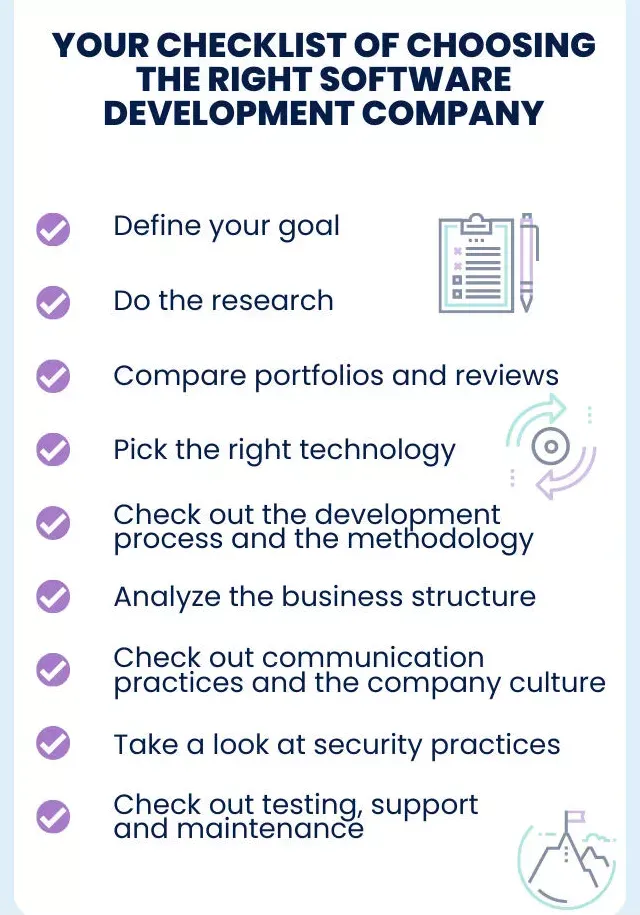
Researching and evaluating potential software development partners is critical for small businesses seeking to outsource their software development needs.
To ensure a successful partnership, thorough research is essential to find a reputable and capable partner. Here are the key steps and considerations in the research process:
You should start by outlining the most important criteria for their software development service partner.
This may include technical expertise, industry experience, portfolio quality, cultural fit, communication capabilities, and the ability to meet project deadlines.
Seek recommendations from trusted sources, such as industry peers, professional networks, or business associations.
Additionally, ask your potential partners to provide references from their previous clients to gain insights into their work quality and client satisfaction.
For example, if you’re looking for a US partner, ask your connections to help you find the top custom software development companies in the USA.
Evaluate the online presence of potential partners, including their website, social media profiles, and review platforms.
Moreover, view and verify their portfolio, case studies, client testimonials, and any industry recognition or awards they may have received.
Next up, evaluate the technical skills and expertise of potential partners.
Dig into their experience with technologies relevant to the project and inquire about their team's certifications, qualifications, and ongoing training practices.
Consider the cultural fit and communication styles when evaluating potential partners.
Effective collaboration requires clear and open communication, so understanding how the partner engages with its clients and ensures transparency is crucial.
When researching potential partners, consider contractual terms, intellectual property rights, and financial stability.
Thoroughly review the partnership agreement and understand the economic implications to ensure a mutually beneficial engagement.
It would be best to involve your in-house lawyers or outsource them, as the nature of the partnership is sensitive.
Do your in-depth research and due diligence to identify a software development partner that has the technical capabilities, aligns with their business values, and can deliver the desired outcomes.
When selecting a software development partner for a small business, assessing their expertise and experience is vital in determining their ability to deliver quality solutions.
Here are the key factors to consider when evaluating their knowledge and experience:
Review the partner's portfolio and case studies to gauge their experience developing similar software solutions. Look for projects that align with your business needs and industry.
Assess the quality of their work, user experience, and the functionality of the software they have developed.
Evaluate the partner's technical skills and proficiency in relevant programming languages, frameworks, and technologies required for your project.
They should have a strong understanding of the platforms and tools needed to develop your custom software solution.
Determine if the software development partner has experience or knowledge in your specific industry.
Familiarity with industry-specific challenges, regulations, and best practices can significantly benefit the project and ensure a tailored solution that meets your industry requirements.
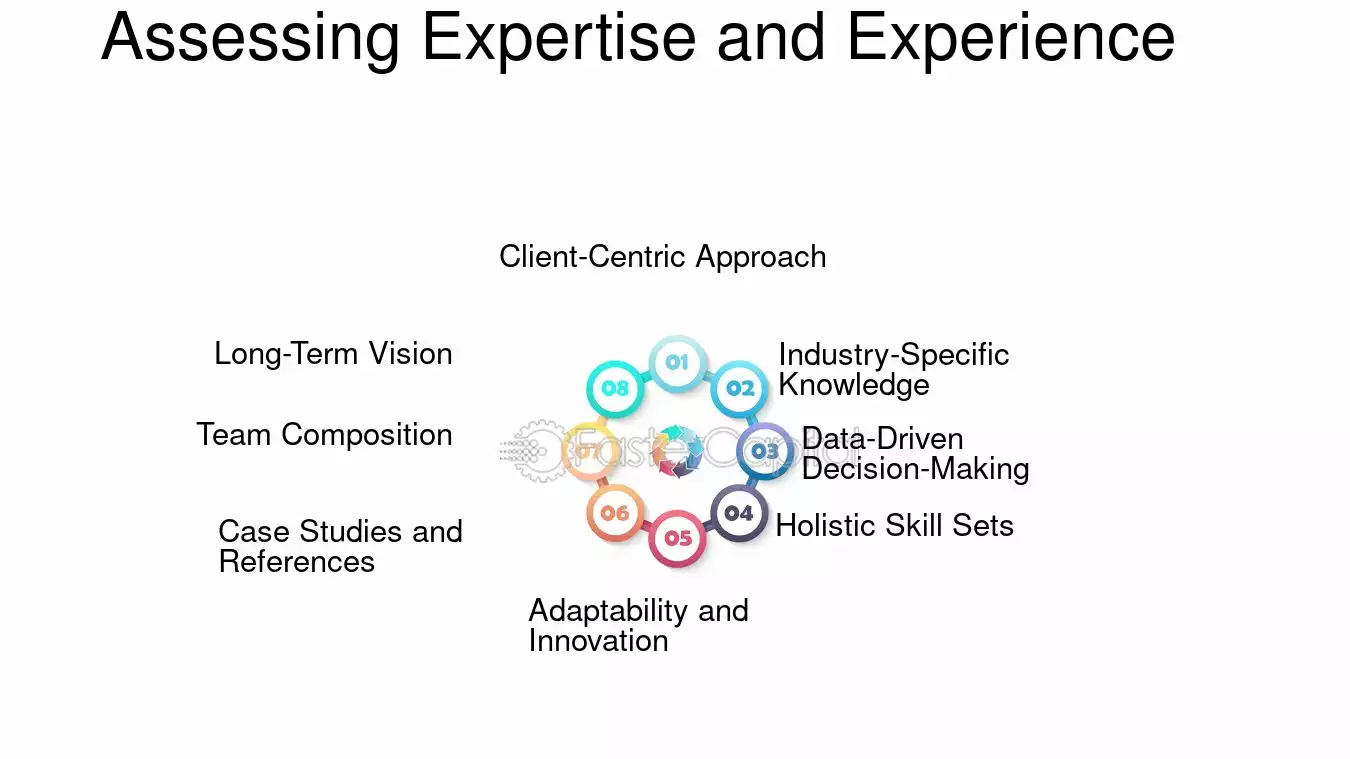
Understand the background and expertise of the partner's development team. Assess their qualifications, certifications, and level of experience.
A team with diverse skills and experience can provide better insights, make informed decisions, and handle complex development challenges.
Request client testimonials and seek references from the partner's previous clients.
Feedback from past clients can provide valuable insights into their experience working with the partner, the quality of their work, and their ability to meet project goals and deadlines.
Evaluate the partner's commitment to innovation and continuous learning.
Software development is a rapidly evolving field, and a partner who keeps up with the latest trends, technologies, and best practices can offer more innovative and efficient solutions.
By thoroughly assessing the partner's expertise and experience, small businesses can ensure they select a reliable and capable software development partner who can effectively meet their project requirements and deliver a high-quality custom software solution.
Effective communication and collaboration are crucial for a successful partnership with a software development partner.
Here are the key aspects to consider when evaluating communication and collaboration capabilities:
Determine the partner's communication channels and tools for project management and collaboration.
Clear and timely communication is essential to address questions, provide feedback, and resolve issues promptly.
Ensure the partner is responsive and accessible through various communication channels like email, phone, video conferences, and project management tools.
Understand the partner's project management methodology and how they plan, track, and report on project progress.
Agile methodologies like Scrum or Kanban can enable iterative software development services with regular feedback and adaptability to changing requirements.
Discuss and align project management practices to ensure effective collaboration.
Clarify who will be the primary contact point from the partner and your side. A dedicated contact person streamlines communication and ensures a smoother flow of information throughout the project.
Map out their availability, responsibilities, and escalation process to resolve issues before committing.
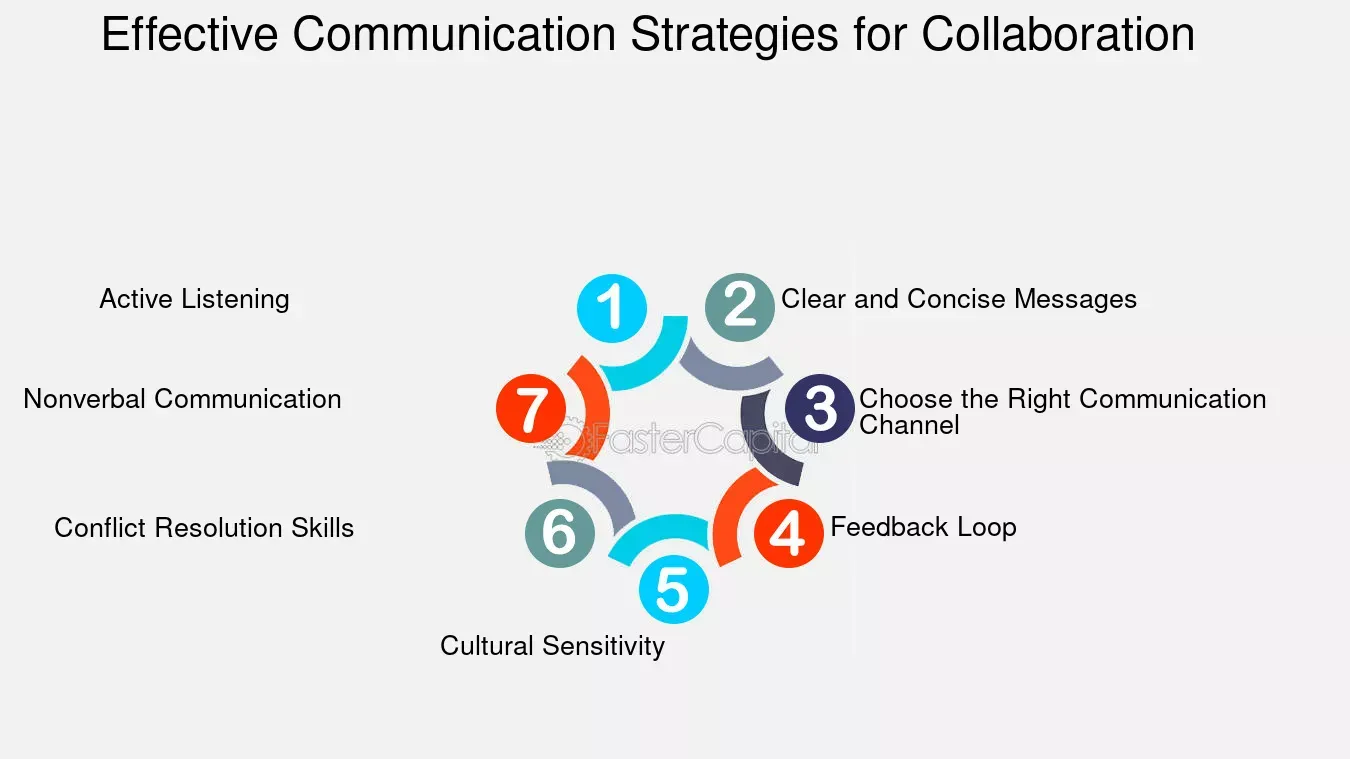
Assess the partner's ability to collaborate efficiently using appropriate tools and technologies.
Look for partners who use collaboration platforms like project management software, version control systems, and communication tools like Slack, Microsoft Teams, or similar platforms.
Evaluate the cultural fit between your business and the software development partner. Differences in communication styles, work culture, and time zones can impact collaboration.
A partner who understands and respects your business values and aligns with your organizational culture can foster better teamwork and cooperation.
Discuss the partner's approach to transparency and reporting. Regular progress updates, status reports, and milestone reviews are essential for keeping all stakeholders informed and ensuring transparency in the project.
Transparency enables effective decision-making and helps identify and resolve any issues proactively.
Small businesses can establish an efficient and transparent work environment by selecting a software development partner with strong communication and collaboration capabilities, leading to better outcomes and successful project delivery.
Conducting a meeting with a prospective software development company is a crucial step in choosing the right fit.
Arrange a virtual or in-person meeting to see if they align with your vision, goals, & company culture.
It is the best way to gauge if the potential partner can grasp your project & commit to it.
Ask Key Questions: Discuss their expertise & experience in relevant software development services and understand how they tackle challenges.
Their approach to problem-solving can reveal a lot about their capability to handle unforeseen issues that may arise. Inquire about past projects that align with your needs,
Evaluate Compatibility: Look beyond technical expertise. Consider whether their communication style, values, and work ethics complement your business culture.
A good software development partner will execute your project well and align seamlessly with your workflow, making collaboration smoother and more productive.
Finding the ideal partner means weighing the cost of their services against the quality and long-term value they bring to your business.
While budget considerations are important, remember that an investment in quality software development services can yield greater returns in terms of stability, performance, and reduced maintenance costs in the future.
Cost vs. Quality: Find a balance where you get quality work within a manageable budget.
A top software development company might charge more upfront, but the benefits of a well-crafted solution could save you on costs related to troubleshooting and rework.
Assess Value Proposition: Choose a partner who provides value beyond just development.
Many companies offer post-launch support, maintenance, and guidance to help your software grow alongside your business.
Opting for a partner with a robust support system ensures you’ll have ongoing assistance as you scale, maximizing the impact of your investment.
A quality software development partner is an asset, supporting your business goals with a robust product that meets your needs and can evolve as your company grows.
In conclusion, selecting the top software development company for a small business involves comparing various factors such as expertise, experience, communication, collaboration, and cultural fit.
With your detailed research and due diligence, you can identify a partner with the technical skills required for the project that aligns with their business values and operational needs.
To verify the partner's expertise and experience, review their portfolio, evaluate their technical skills, understand their industry knowledge, and consider the qualifications of their development team.
It will ensure that the software development company you’re partnering with has all it takes to build high-quality custom software solutions for your business requirements.
Custom Development
7 Apr 2026
Tell us what your business actually runs on today, and we will map what it takes to make it one system.