


Custom Development
Alcohol Delivery Market Share and Trends: Size, Growth, & Business Opportunities
7 Apr 2026
So you have finally decided to introduce an application that might help your patients with the hectic booking process, allowing you to monitor your patients from a distance, help you make important decisions about the health of your patients by checking their vitals, and allow them to take part in their healthcare?
But you are still afraid to make the final call about hiring the developers thinking they might not understand your requirements or might cause a loss of resources then let us tell you this fear is completely normal especially if you have never hired anyone for such a technical job.
With the increasing demand for healthcare application developments and so many companies providing services at low cost, the decision process will be tough.
But no worries, as we have assembled all the steps that you might need to go through to get yourself familiarized with before selecting the application development company.
This guide will also help companies who are considering tapping into the new market of healthcare application development process.
Without any delay, let's start.
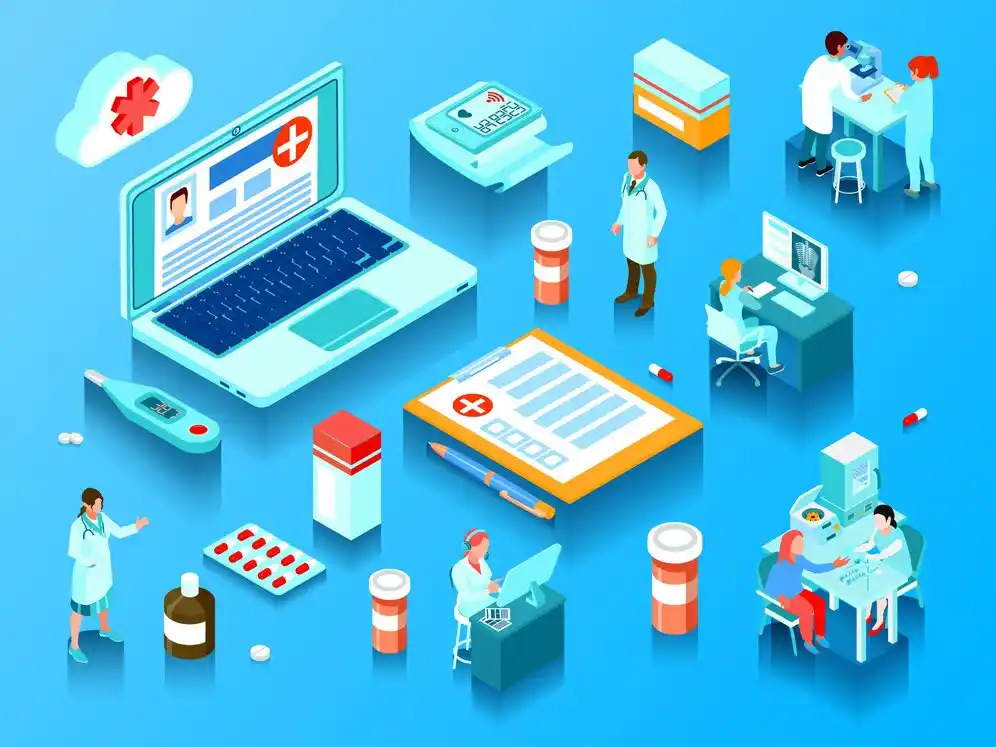
The aftermath of Covid-19 has changed our view of healthcare. Earlier we used to take our health lightly but now, it has become an emerging sector.
If we talk about the U.S.A., you would be surprised to know that according to the latest report, 17% of its GDP has been spent on healthcare.
And now with the increasing intervention of government to increase the quality of healthcare in the respective countries, so many schemes and facilities are becoming available making it the right industry to launch your software development services.
But to launch a successful healthcare application, whether you’re a healthcare provider or a developing company looking to expand the business in a thriving sector, it is important to get yourself familiar with the various regulations and standards that govern the healthcare industry.
In healthcare, there are several stakeholders involved such as doctors, nurses, patients, and administrative staff.
Understanding their requirements, getting good insights from your target users, understanding their pain points, and what type of feature they want in the application is also important.
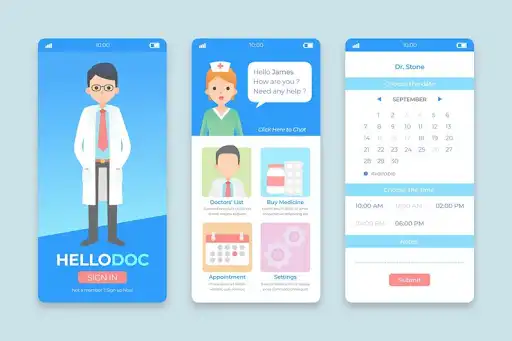
Ok, so you have decided about your applications and visualizing its future growth and the tons of people getting benefited by using it but have you defined the scope and set the objectives yet?
Defining the application scope and objectives is a crucial step in any application development.
By clearly defining the purpose you can have a better understanding of the specific problem or needs the application aims to address. F
or example, the application could focus on improving patient engagement, facilitating telemedicine consultations, or automating administrative tasks.
Once the purpose is defined, you need to set the goals of the application. These goals could be related to improving patient outcomes, increasing efficiency, reducing costs, enhancing data accessibility, or any other specific objective that aligns with the purpose of the application.
Next, developers need to identify the features and functionalities that the application should encompass.
This requires conducting thorough research, engaging with potential users, and understanding their requirements.
It is important to prioritize the features based on their impact and feasibility to ensure that the application provides maximum value to the users.
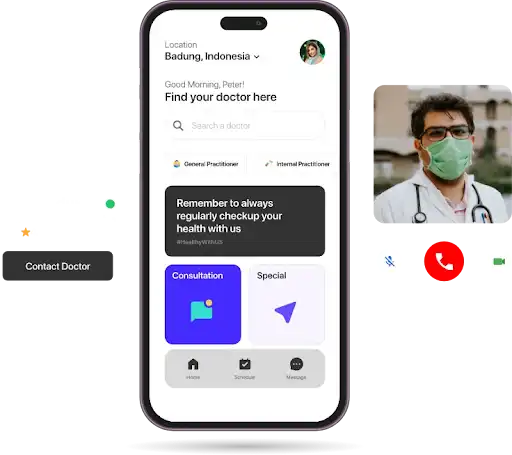
In terms of UI/UX designs, you need to focus on creating user-friendly and accessible interfaces for healthcare applications because your targeted users will be from diverse demographics and might have disability challenges too.
In this section, we will discuss how a user-friendly and intuitive interface can be designed.
User-centered approach involves understanding the needs and preferences of the target users, such as healthcare professionals or patients.
This can be accessed by conducting thorough user research, detailed interviews, and regular usability testing to gain valuable insights into their behaviors, workflows, and pain points.
This collected information can then be used to inform the design decisions and create a UI/UX that meets their needs effectively.
Clear and consistent design is the key to providing an intuitive user experience.
By keeping the application clutter-free, maintaining visual hierarchy, making the color palette suitable for all types of users, and making icons, and fonts simple you can create a holistic user experience.
The use of descriptive labels, tooltips, and error messages can help users understand the functionality of different elements in the application.
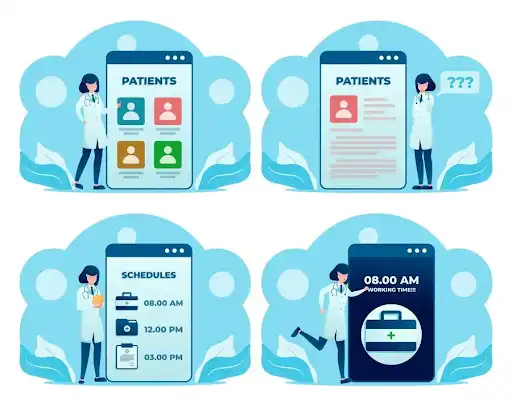
Navigation plays a crucial role in ensuring that users can easily find their way within the application.
The navigation menu should be easily accessible and provide clear labels for different sections or features. Designing a hierarchical menu structure or incorporating search functionality can further enhance the navigation experience.
It is also important to provide breadcrumbs or other visual cues to help users understand their current location within the application.
Healthcare applications are accessed on various devices, including desktops, laptops, tablets, and smartphones.
Therefore, it is essential to design the UI/UX to be responsive and adaptable to different screen sizes and orientations. This ensures a consistent experience for users, regardless of the device they are using.
Suggested Reading:
10 Benefits of Custom Healthcare App Development You Should Know
Healthcare applications should be designed to be accessible to users with disabilities.
This includes considerations for color contrast, font size, keyboard navigation, and support for assistive technologies such as screen readers.
Adhering to accessibility guidelines, such as the Web Content Accessibility Guidelines (WCAG), ensures that the application can be used by a wider range of users.
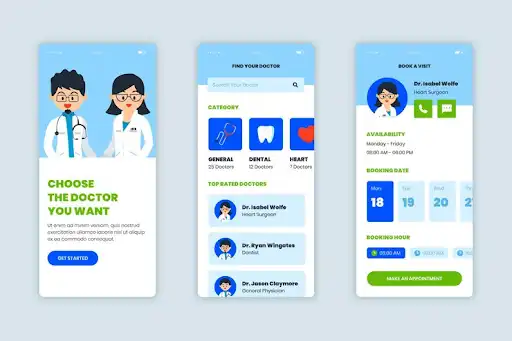
After properly planning the goals and scope and designing the interfaces, here comes the important part which is Development.
In this section, we will discuss the key considerations and best practices for developing a successful healthcare application.

Healthcare applications pose a great threat in terms of data privacy and security, and it is crucial to ensure that the application complies with relevant laws and regulations.
Developers need to adhere to the best practices for application security, such as encryption, authentication, and access control, and the application is protected against common security threats.
Regular vulnerability testing and bug-fixing are important to maintain the security of the application over time.
Many healthcare applications must integrate with existing healthcare systems, such as electronic health records (EHRs) or medical device data systems (MDDS).
Developers should ensure that the application is interoperable with these systems and can exchange data seamlessly.
Compliance with standards such as Fast Healthcare Interoperability Resources (FHIR) and Health Level Seven International (HL7) can help ensure interoperability between healthcare systems.
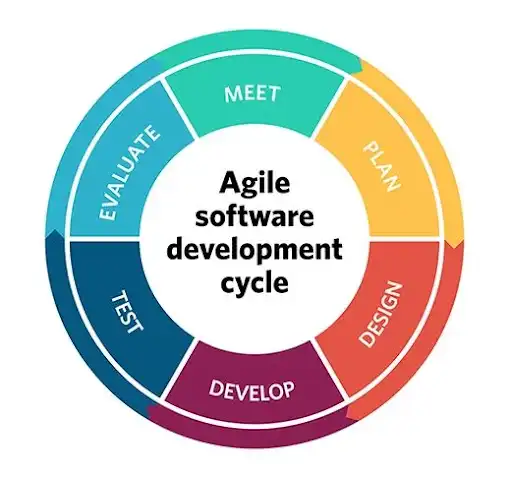
Agile methodologies promote flexible and iterative processes in software development making it well-suited for healthcare applications.
This allows the development team to respond quickly to changes in requirements, incorporate feedback from users, and continuously improve the application.
Other than flexibility agile methodologies also form a close collaboration between developers, stakeholders, and users, which helps to make sure that the final product meets the expected goals and requirements.
Testing and quality assurance are essential for ensuring that the application is bug-free and meets the intended requirements.
This includes unit testing, integration testing, and acceptance testing. Developers should also perform stress, security, and performance testing to ensure that the application can handle high usage and is secure against attacks.
Suggested Reading:
When is the Right Time to Invest in Healthcare App Development?
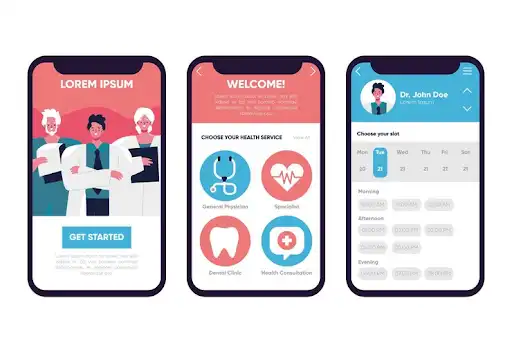
Testing, deployment, and maintenance are essential phases in the development lifecycle of a healthcare application.
These phases ensure the application is reliable, stable, and up-to-date throughout its lifecycle. Let's explore each phase in detail:
Suggested Reading:
Why Choose AppsRhino for Custom Healthcare App Development?
Wrapping up, these were all the steps and key considerations that you might keep in mind before starting the healthcare application development process.
If you hire a software development partner who will understand your requirements, walk you through every process of the development starting from planning to design to development, testing, and deployment, and will also be there after the launching process in the maintenance stages then it will ensure that your application becomes successful.
In AppsRhino, we have team of experienced and expert developers who make sure that all your requirements are heard and understood.
We comply with all the regulatory requirements such as HIPAA, GDPR, and other industry-specific regulations and implement best practices of encryption, and authentication to develop a user-friendly healthcare application that will protect sensitive information and also help you build trust and gain success in the long run.
Suggested Reading:
How Healthcare Apps Are Changing the Face of Medicine
Custom Development
7 Apr 2026
Tell us what your business actually runs on today, and we will map what it takes to make it one system.