
Custom Development
Alcohol Delivery Market Share and Trends: Size, Growth, & Business Opportunities
7 Apr 2026
When it comes to choosing a mobile platform for your business, the decision between Android and iOS can be a tough one.
Both platforms have unique strengths and weaknesses, and the right choice for your business will depend on various factors.
In this blog, we'll dive deep into the key differences between Android and iOS and explore the pros and cons of each platform for business use.
We'll also guide making the best decision for your company based on your specific needs and goals.
It's important to note that Android and iOS have a significant presence in the mobile market. Also, choosing one platform over the other doesn't necessarily mean you'll miss out on potential customers.
However, it's crucial to carefully consider the technical capabilities and resources available, as well as the long-term maintenance and cost considerations, before making a decision.
Ultimately, the choice between Android and iOS will depend on your business needs and goals.
By understanding the critical differences between the two platforms and evaluating your options carefully, you can make an informed decision. It will set your business up for success in the mobile market.
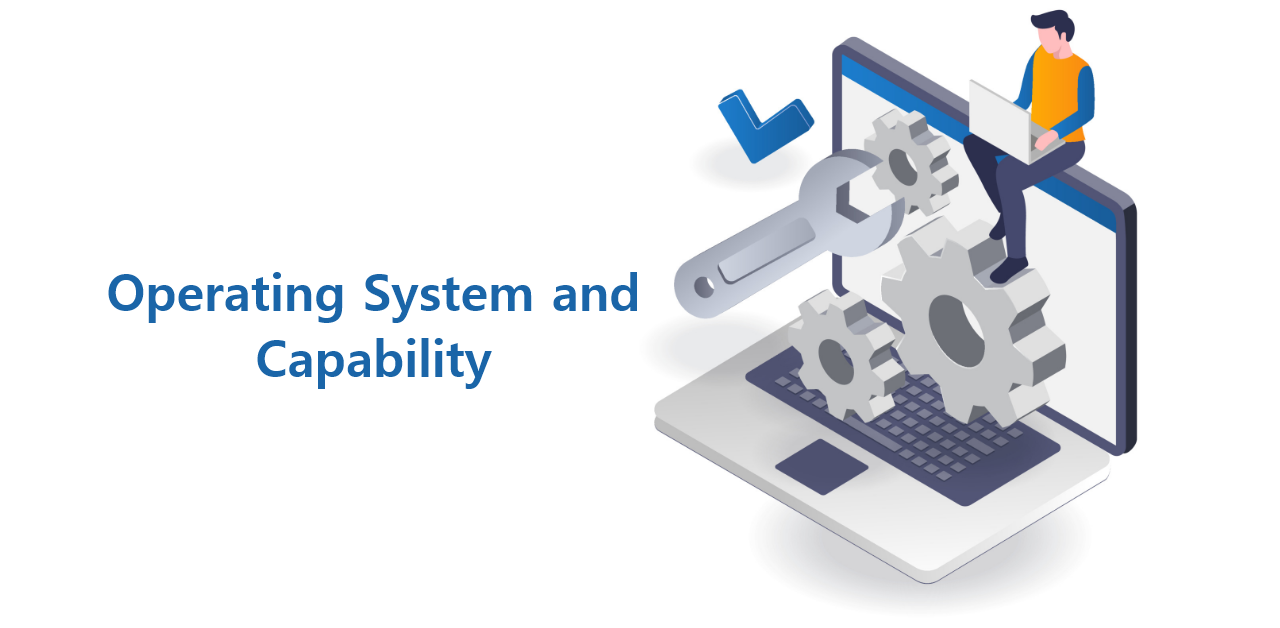
One of the main differences between Android and iOS is the operating system and device compatibility. Android is an open-source operating system that can be used on many devices, including smartphones, tablets, and even laptops.
It makes it easy for developers to create apps that you can use on various devices and gives users more choices in terms of the devices they can use.
In contrast, iOS is a proprietary operating system only used on Apple devices, such as iPhones and iPads. It means that developers must create apps specifically for iOS and that users are limited to using Apple devices if they want to use these apps.
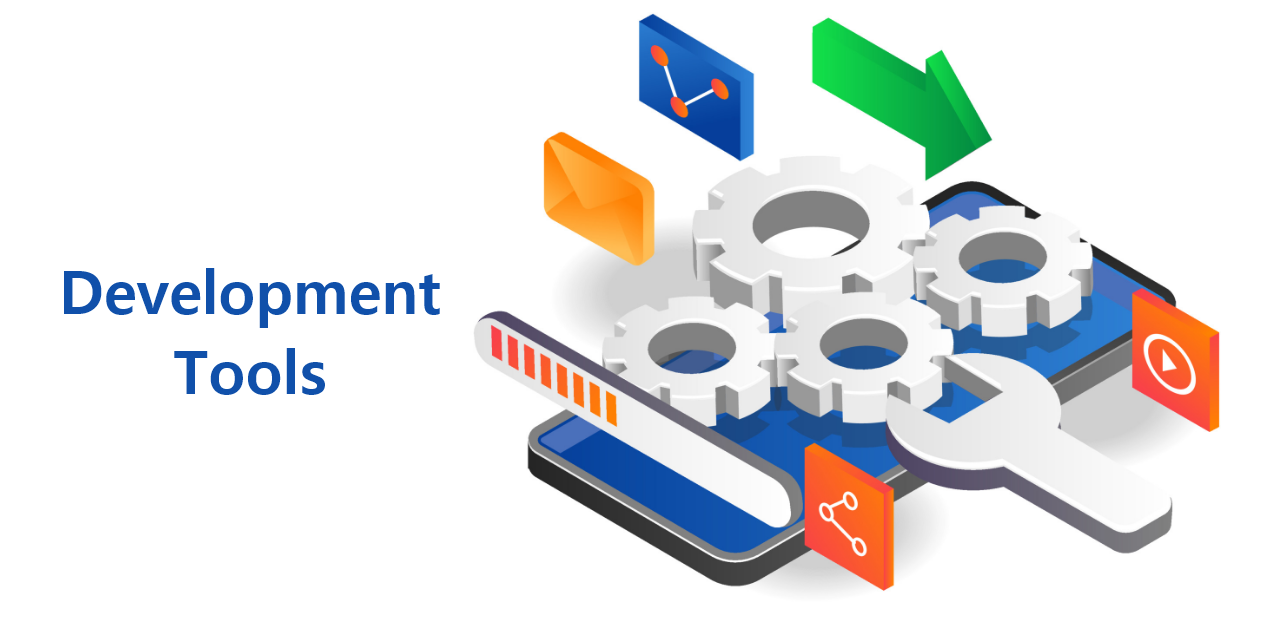
Another key difference between Android and iOS is the development tools and resources available.
Android developers have access to various tools and resources, including Android Studio, the official Android development environment, and various open-source libraries and frameworks. It makes it relatively easy for developers to create apps for Android.
iOS developers, on the other hand, have a more limited set of tools and resources available. They must use Xcode, the official iOS development environment, and are limited to specific programming languages, such as Swift and Objective-C.
While several third-party tools and resources are available for iOS development, the options are generally more limited than Android.
Another significant difference between Android and iOS is the user demographics and market share. Android has a much larger market share than iOS, particularly in emerging and developing countries.
It means that Android apps have the potential to reach a wider audience than iOS apps. However, iOS users tend to be more affluent and willing to spend money on apps and in-app purchases, which can benefit businesses looking to monetize their apps.
Overall, the key differences between Android and iOS are the operating system and device compatibility, development tools and resources, user demographics, and market share. These factors can all impact the choice of platform.

Broad reach and device compatibility: Android can be used on a wide range of devices, including smartphones, tablets, and laptops, which gives it the potential to reach a larger audience than iOS.
Lower cost and resource considerations for development and maintenance: Android's open-source nature means that developers can access a wide range of tools and resources at little or no cost. It makes it relatively easy and affordable to develop and maintain Android apps.
Lack of control and oversight: You can use Android on various devices from different manufacturers. It can be more challenging for businesses to maintain control over the user experience and ensure a consistent look and feel across devices.
Fragmentation: Because Android has such a wide range of devices, it can be more challenging to ensure that apps are compatible. It can lead to issues with app performance and user experience.
Affluent and willing-to-spend user demographic: iOS users tend to be more affluent and willing to pay for apps and in-app purchases. It which can benefit businesses looking to monetize their apps.
Streamlined and controlled ecosystem: iOS has a more controlled ecosystem, making it easier for businesses to maintain control over the user experience. It ensures a consistent look and feels across devices.
Limited device compatibility: iOS is only used on Apple devices, such as iPhones and iPads, which limits the potential audience for apps.
Higher development and maintenance costs: Because iOS is a proprietary operating system, developers must use specific tools and resources to create apps. It can be more costly and time-consuming than Android development.
Limited flexibility: The more controlled nature of the iOS ecosystem can also be a disadvantage. It can be more challenging for developers to create apps compatible with a wide range of iOS devices and take advantage of the latest technologies.
Overall, Android and iOS have pros and cons for business use. Understanding these differences is crucial for businesses looking to choose the right platform for their needs. Some key considerations include the target audience, technical capabilities, and available resources.
Hire Dedicated Developers for various technologies such as Android, Angular, React, IOS, PHP, Node, Joget, MongoDB, and Java with AppsRhino:
There are several key factors that businesses should consider when choosing between Android and iOS:
It's important to consider which platform aligns more closely with your business goals and target audience. For example, if you target a more affluent, tech-savvy audience, iOS may be a better choice. On the other hand, if you want to reach a broader, more diverse audience, Android may be a better fit.
You should also consider the technical capabilities and resources available when choosing between Android and iOS. It includes factors such as the development tools and resources you have access to and your team's technical skills and expertise.
It's important to carefully evaluate the long-term costs of developing and maintaining apps for each platform. It includes factors such as the cost of development tools and resources and ongoing maintenance costs.
Android and iOS have their strengths and weaknesses as platforms for business use. It's important to carefully evaluate your business goals, target audience, and the technical capabilities and resources available to you when deciding which platform fits your needs. Ultimately, the right choice will depend on your specific business needs and goals.
It's important to carefully evaluate and plan before deciding which platform to use for your business. It includes considering your business goals, target audience, and available technical capabilities and resources.
By taking the time to evaluate your options and plan carefully, you will ensure success for your project.
Contact AppsRhino today for premiere app development services. Our nifty developers will work with you to b bring your app ideas to life!
Custom Development
7 Apr 2026
Tell us what your business actually runs on today, and we will map what it takes to make it one system.