
Custom Development
Alcohol Delivery Market Share and Trends: Size, Growth, & Business Opportunities
7 Apr 2026
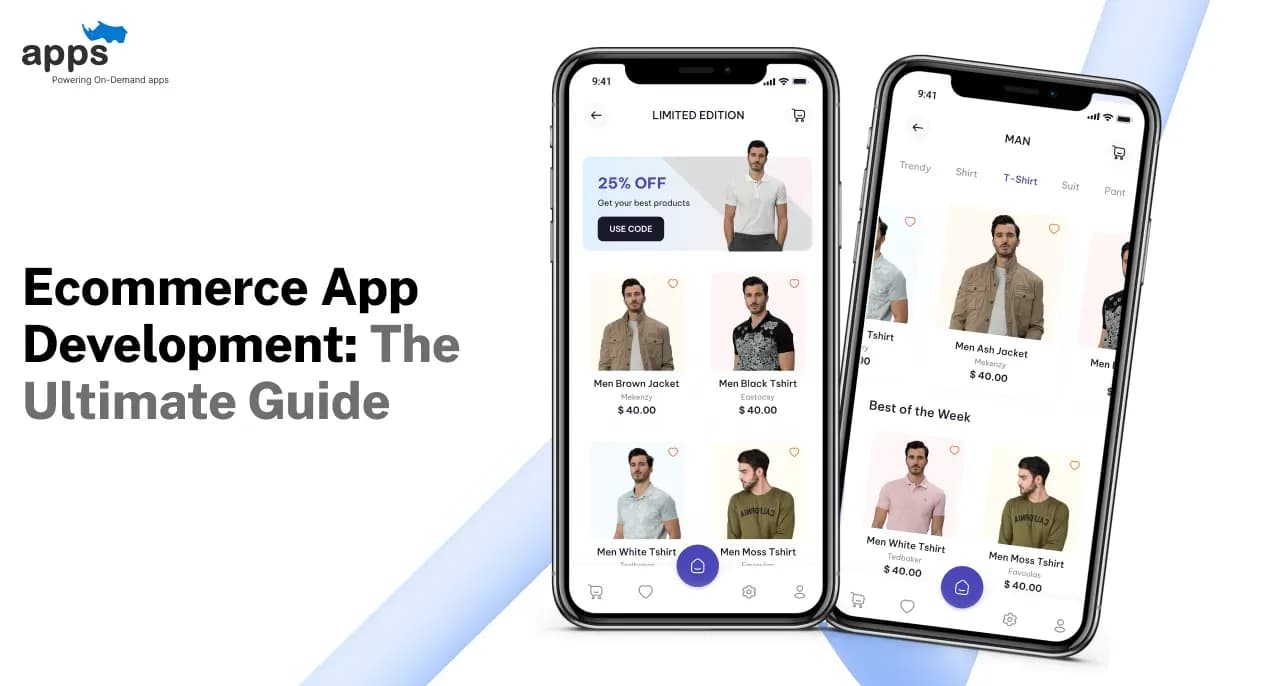
Ecommerce app development involves creating mobile applications that enable consumers to browse, purchase, and manage products or services online.
As we approach 2025, the significance of ecommerce apps continues to escalate. Global ecommerce retail sales are projected to reach $7.4 trillion by 2025, accounting for 21% of total retail purchases.
Mobile commerce is a significant contributor to this growth, with smartphones contributing 77% of global ecommerce traffic in 2024.
In this guide, we’ll extensively cover ecommerce app development, including emerging trends, essential features, development process, development agency selection criteria, and stratgies to build a successful ecommerce mobile app in 2026.
As mobile and social commerce dominate, innovative apps tailored to user behaviors redefine how businesses engage customers.
Let's explore mobile-first trends, AI-driven personalization, and the rise of social commerce shaping the ecommerce app development market in 2024 and beyond.
As of 2025, ecommerce has evolved significantly, with several key statistics and trends shaping the industry.
Retail mobile commerce revenue globally is expected to exceed $2.51 trillion by 2025, highlighting the dominance of mobile in online shopping.
In 2024, 68% of e-commerce sales originated from mobile devices, continuing a trend where mobile dominates the shopping experience.
By 2025, shopping apps will surpass 4 billion downloads annually, reflecting their importance in the mobile-first ecosystem.
In 2023, desktops led in average order value at $170 per transaction, compared to $120 on mobile devices. It highlights the importance of e-commerce web apps.
Mobile commerce sales are projected to grow by 15% annually, driving significant contributions to global e-commerce revenues.
AI is transforming mobile e-commerce by driving personalized shopping experiences, boosting sales, and enhancing customer engagement with intelligent chatbots and recommendations.
AI-Driven Sales Influence: During the 2024 holiday season, AI-influenced shopping boosted online sales by nearly 4% compared to the previous year. Consumers utilized AI-powered chatbots 42% more than in 2023, enhancing customer engagement and support.
Retailer Adoption of AI Chatbots: Retailers reported a 1,300% increase in customer traffic on their websites due to AI-powered chatbots during the 2024 holiday season, indicating a growing reliance on AI for customer interaction.
Global Market Growth: The global social commerce market was valued at approximately $727.63 billion in 2022 and is expected to expand at a compound annual growth rate (CAGR) of 31.6% from 2023 to 2030, driven by increased social media adoption and online shopping convenience.
Consumer Engagement: In 2024, about 82% of consumers used social media for product discovery and research, highlighting the platforms' role in influencing purchasing decisions.
Projected Revenue: Social commerce sales are anticipated to reach nearly $3 trillion by 2026, underscoring the growing importance of integrating shopping experiences within social media platforms.
These statistics underscore the increasing integration of AI technologies and social media platforms in mobile e-commerce, shaping consumer behaviors and business strategies alike.
Emerging technologies are redefining ecommerce mobile app development, offering businesses innovative ways to enhance user experiences and boost engagement.
These advancements not only cater to evolving customer expectations but also empower businesses to stay competitive in the market.
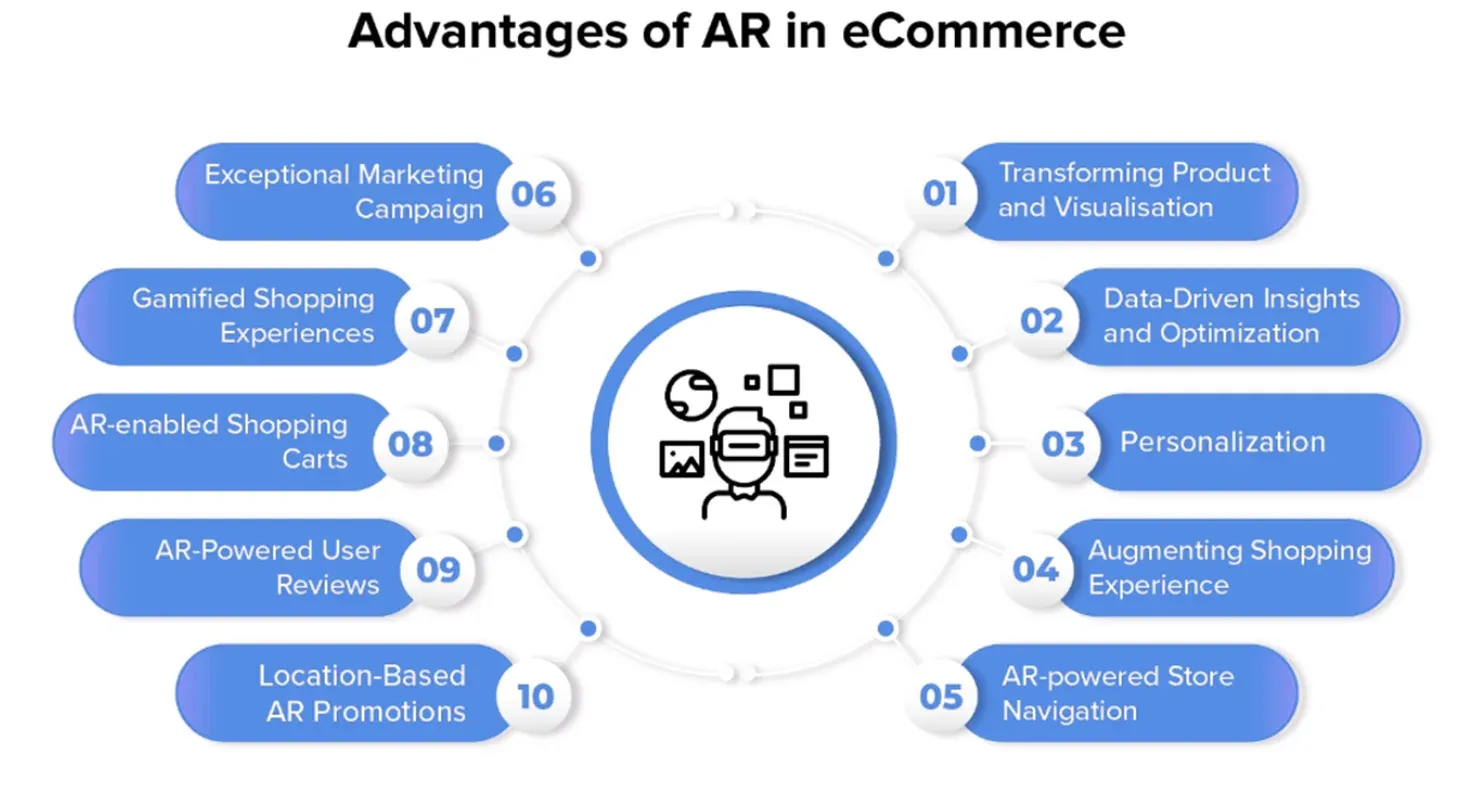
AR/VR integration in ecommerce app development helps businesses cater to modern consumers seeking innovative shopping methods.
In 2026, most ecommerce app development services are offer to integrate AI and ML in the shopping process, enabling businesses to deliver intelligent and responsive experiences.
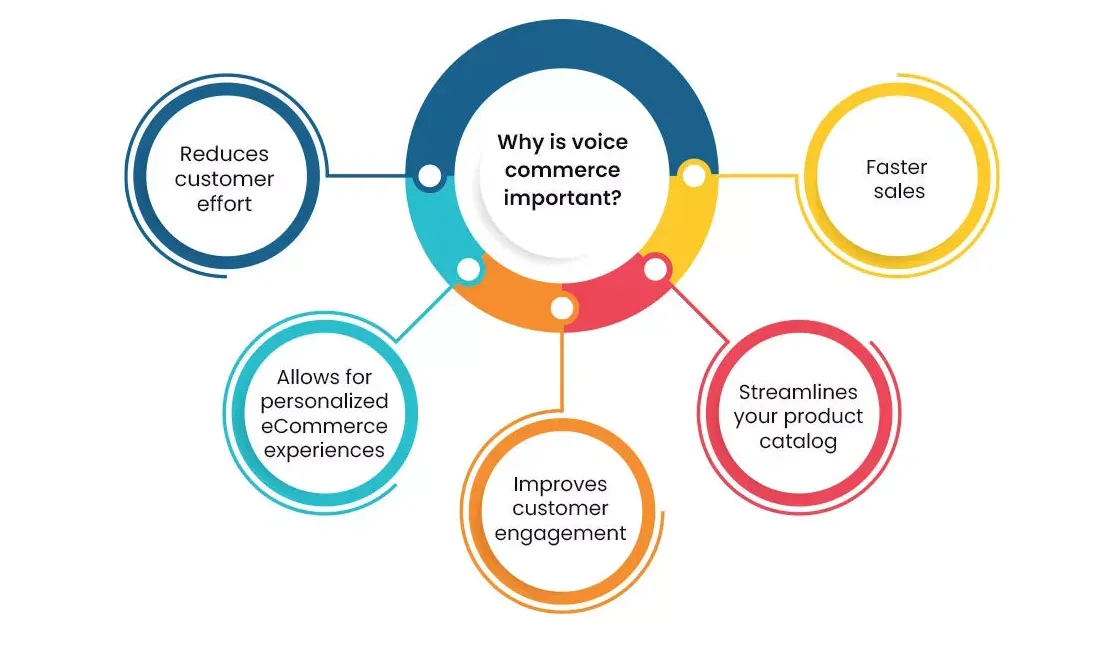
Voice commerce is becoming a cornerstone of ecommerce mobile app development, providing hands-free convenience to users.
Omnichannel strategies, backed by ecommerce app development services, create seamless customer engagement across devices.
Sustainability initiatives in ecommerce app development resonate with consumers prioritizing ethical and responsible shopping.
Suggested Reading: Top Ecommerce Tips to maximize ROI for Small Businesses
A successful ecommerce app combines functionality, security, and convenience to attract and retain users. Partnering with an experienced ecommerce app development company ensures these features are implemented seamlessly.
So, there are the main features that can help differentiate your app from that of your competitors. However, you should also consider many of minor features that make a great app.
Understanding the diverse types of ecommerce apps is essential for businesses venturing into ecommerce app development. Each app type caters to unique business models, target audiences, and goals. Below is an organized overview:
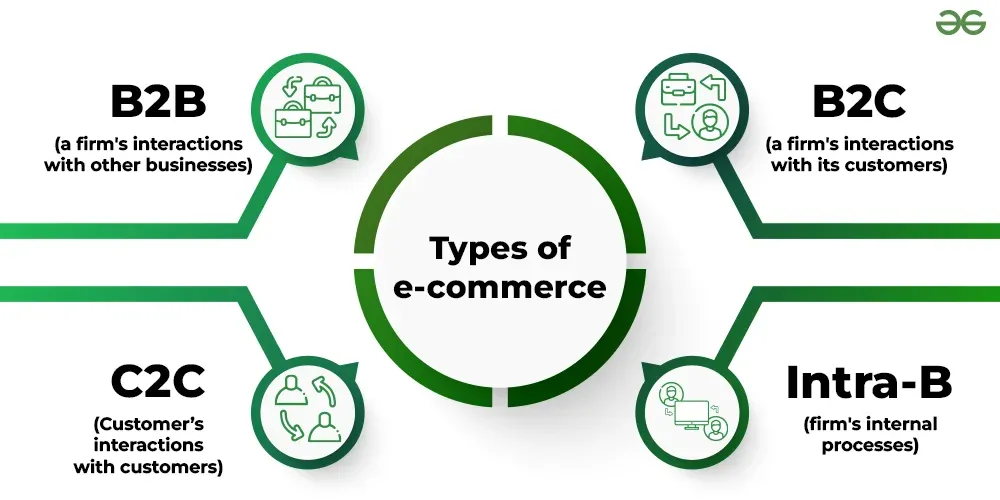
B2C apps connect businesses directly with individual consumers.
C2C apps facilitate peer-to-peer transactions within a community-driven marketplace.
Marketplace apps connect multiple sellers with buyers under one platform, offering a wide range of products.
B2B apps cater to businesses looking to sell products or services to other businesses.
Apps focusing on specific industries or unique customer needs.
By understanding these variations, any ecommerce app development company can create impactful solutions tailored to specific client needs.
Launching an ecommerce app requires meticulous planning to ensure its success.
Let’s review the essential aspects of planning your ecommerce app, from choosing the right development platform to finding the perfect development partner for a high-performing and user-friendly app.
Before diving into ecommerce app development, it's crucial to define your target audience and analyze the competitive landscape clearly.
Understanding the demographics, preferences, and pain points of your potential app users is pivotal for crafting a tailored and engaging user experience.
Additionally, conducting thorough competitor analysis helps in identifying market gaps and opportunities to differentiate your ecommerce app.
By gaining insights into your target audience and competition, you can align your app development strategy with the specific needs of your potential users and carve a unique position in the market.
When it comes to developing an ecommerce app, one of the first decisions you need to make is choosing the right development platform.
There are two main options: native app development and hybrid app development.
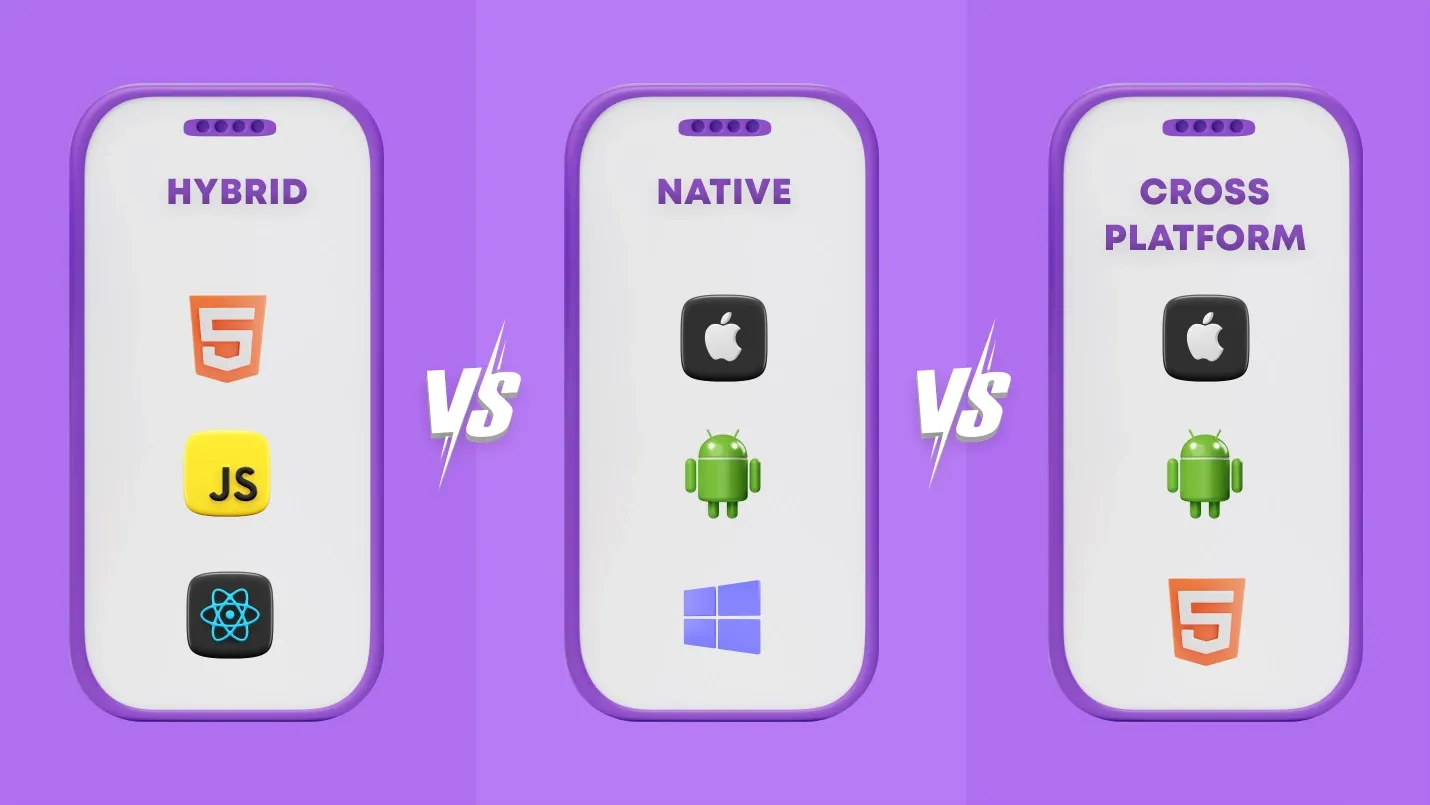
Native App Development: Native apps are developed specifically for a particular platform, such as iOS or Android. They offer a high level of performance and provide access to the device's features and functionalities.
However, native app development requires separate development efforts for each platform, which can be time-consuming and costly.
Hybrid App Development: Hybrid apps, on the other hand, are developed using web technologies like HTML, CSS, and JavaScript. These apps can be deployed on multiple platforms, saving development time and costs.
However, hybrid apps may not offer the same level of performance as native apps and may have limitations in accessing certain device features.
Deciding between native and hybrid ecommerce app development depends on various factors, including the specific requirements of your ecommerce app, the target audience, and your budget constraints. It's essential to evaluate these factors carefully to make an informed decision.
When building an ecommerce app, selecting the right technology stack – both for front-end and back-end development – is crucial for delivering a seamless and functional app.
Front-End Development: The front-end of your ecommerce app is what users see and interact with. Choosing the right front-end technologies, such as HTML, CSS, and JavaScript frameworks like React or Angular, is important for creating an intuitive and visually appealing user interface. It's also essential to prioritize responsive design to ensure your app looks and functions well on all devices.
Back-End Development: The back-end of your ecommerce app handles the server-side logic and database management. Choosing the appropriate back-end technologies, such as programming languages like Node.js or PHP, and selecting a reliable and scalable database solution are vital for ensuring the performance and security of your app.
Considering factors like scalability, security, and ease of maintenance will help you make informed decisions when selecting your technology stack.
Developing an ecommerce app requires extensive technical expertise, which may not be available in-house. Therefore, you need to decide whether to develop your app in-house or outsource the development work to a professional team.
In-House Development: Developing your ecommerce app in-house gives you more control over the development process and allows for easier collaboration within your team. However, it can be time-consuming and challenging to find and hire skilled developers. It also requires ongoing training and investment in technology infrastructure.
Outsourcing: Outsourcing your ecommerce app development to a specialized agency or development company can be a cost-effective and time-saving solution.
By collaborating with a dedicated team of experts, you can leverage their skills, experience, and knowledge in building high-quality apps. Additionally, outsourcing can offer access to the latest technology and industry best practices.
Wireframing and Prototyping: Before development begins, create wireframes to outline the app’s structure and user flow. Prototyping tools like Figma or Adobe XD can help you visualize how the app will function. This step allows you to refine the app’s design and features before moving to development.
Designing the App Interface: Great UI design is essential in creating an ecommerce app that is visually appealing and easy to use. When designing your ecommerce app, it's important to keep in mind the following UI design principles:
Adhering to these principles allows you to create an ecommerce app that is easy to use, enhances the user experience, and drives customer satisfaction.
Building an eCommerce app demands precision and teamwork. A structured development approach ensures functionality, aesthetics, and timely delivery.
Agile Development Methodologies: Agile methodologies ensure flexibility and iterative progress during development. Break the project into sprints, allowing your team to deliver functional components incrementally. This approach is particularly effective for ecommerce app development, as it enables continuous testing and improvements.
Collaboration Between Developers and Designers: Close collaboration between developers and designers is key to creating a cohesive app. Designers ensure that the app’s aesthetic aligns with user expectations, while developers bring these designs to life. Partnering with a skilled ecommerce app development company ensures smooth collaboration and timely delivery.
Thorough testing and quality assurance are vital to ensure an eCommerce app meets user expectations and performs flawlessly.
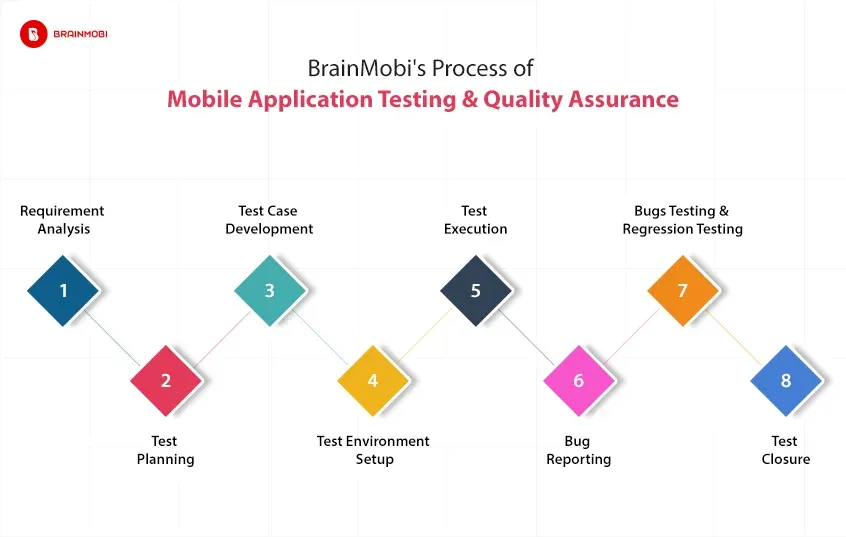
Various Testing Methods: Conduct functional testing to ensure features work as intended, usability testing to evaluate user experience, and performance testing to measure app speed and responsiveness. A comprehensive testing strategy ensures a bug-free app.
Ensuring Bug-Free and Smooth User Experience Focus on addressing potential issues before launch. Employ beta testing to gather feedback from real users and resolve any remaining bugs. Ecommerce app development services often include extensive quality assurance processes to guarantee a flawless user experience.
With a significant percentage of ecommerce sales being made through mobile devices, optimizing your ecommerce mobile app development for these devices is essential. Here are some tips for optimizing your app for mobile devices:
Optimizing your app for mobile devices is essential in today's mobile-first world and can lead to increased user engagement, conversions, and sales.
Your ecommerce app development is just the start—launching and growing it is where success begins. Here’s how to maximize visibility, attract users, and ensure long-term growth.
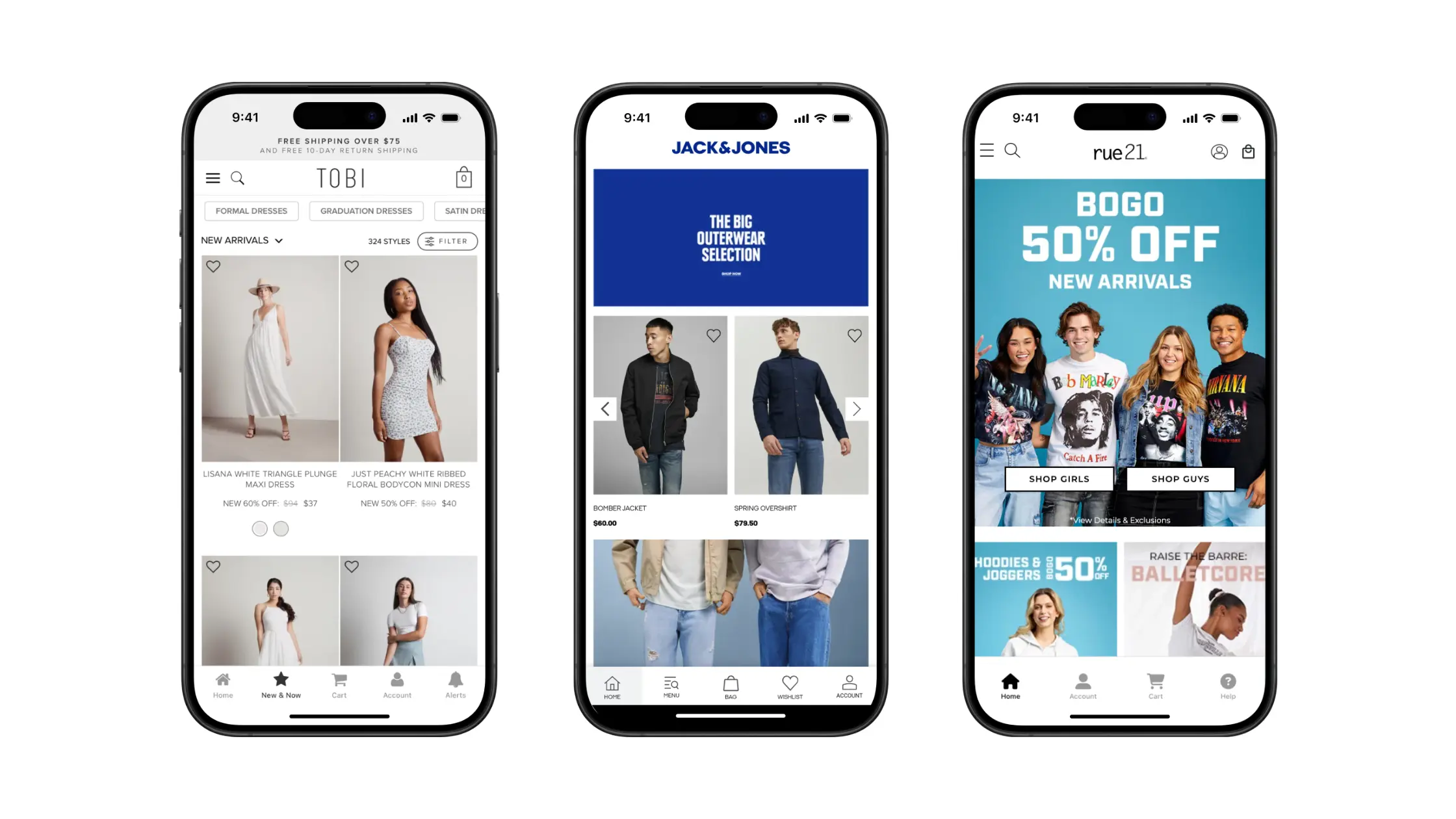
App Store Optimization (ASO) for Visibility: Optimize your app’s title, description, keywords, and visuals to improve search rankings. Conduct keyword research, refine metadata, and regularly update your ASO strategy to enhance discoverability and attract potential users.
Marketing and User Acquisition: Use social media, influencer partnerships, email campaigns, and paid ads to drive downloads. Engage your audience with compelling content, offer referral incentives, and create campaigns that resonate with your target market.
Ongoing Maintenance and Updates: Maintain your app’s relevance with regular updates, bug fixes, and new features. Monitor performance, address user feedback, and stay aligned with trends to keep your app competitive and engaging.
Developing an ecommerce mobile app involves varying costs depending on the app's complexity, features, and design. Understanding these factors helps businesses plan their budgets effectively and choose the right ecommerce app development services for their needs.
Features: Simple UI, basic catalog, and payment gateway.
Cost: Lower range due to limited functionality.
Timeline: 2-4 months.
Suitable for startups exploring ecommerce mobile app development for the first time.
Features: Advanced search, filters, personalized recommendations, and multi-language support.
Cost: Medium range, balancing features and user experience.
Timeline: 4-6 months.
Ideal for growing businesses needing scalable ecommerce app development.
Features: Custom integrations, AI-powered chatbots, AR/VR features, and robust analytics.
Cost: Higher range due to development intricacies.
Timeline: 6-12 months.
Often developed by an experienced ecommerce app development company for enterprises with specific requirements.
Developing an ecommerce app is a huge investment, but careful planning and strategic choices can help optimize costs without compromising quality.
Here’s a closer look at how to make the most of your budget while ensuring your app is both functional and scalable.
One of the most effective ways to manage ecommerce app development costs is by building a Minimum Viable Product (MVP). An MVP includes only the essential features required to meet the primary needs of your target users.
Focus on the core functionalities in the first release so you can save on development costs while testing the app’s performance and user reception.
Benefits of an MVP
Once the MVP gains traction, you can gradually introduce advanced features like personalized recommendations, loyalty programs, or virtual try-ons in later versions. This phased approach ensures efficient use of resources and minimizes risk.
Custom development can be costly and time-intensive. Using pre-built tools and platforms can significantly cut down on expenses and accelerate the development process. Ecommerce app development services can guide you in choosing the right tools to suit your needs.
Pre-Built App Templates: Many platforms offer ready-made templates that can be customized to align with your branding and functionality requirements. These templates often come with pre-integrated features like product catalogs, shopping carts, and payment gateways, saving you the effort and expense of building everything from scratch.
Low-Code and No-Code Development Tools: Low-code & No-code platforms allow you to create apps with minimal programming knowledge. Examples include Bubble, Joget, and Appgyver, which provide drag-and-drop interfaces to design and develop apps quickly.
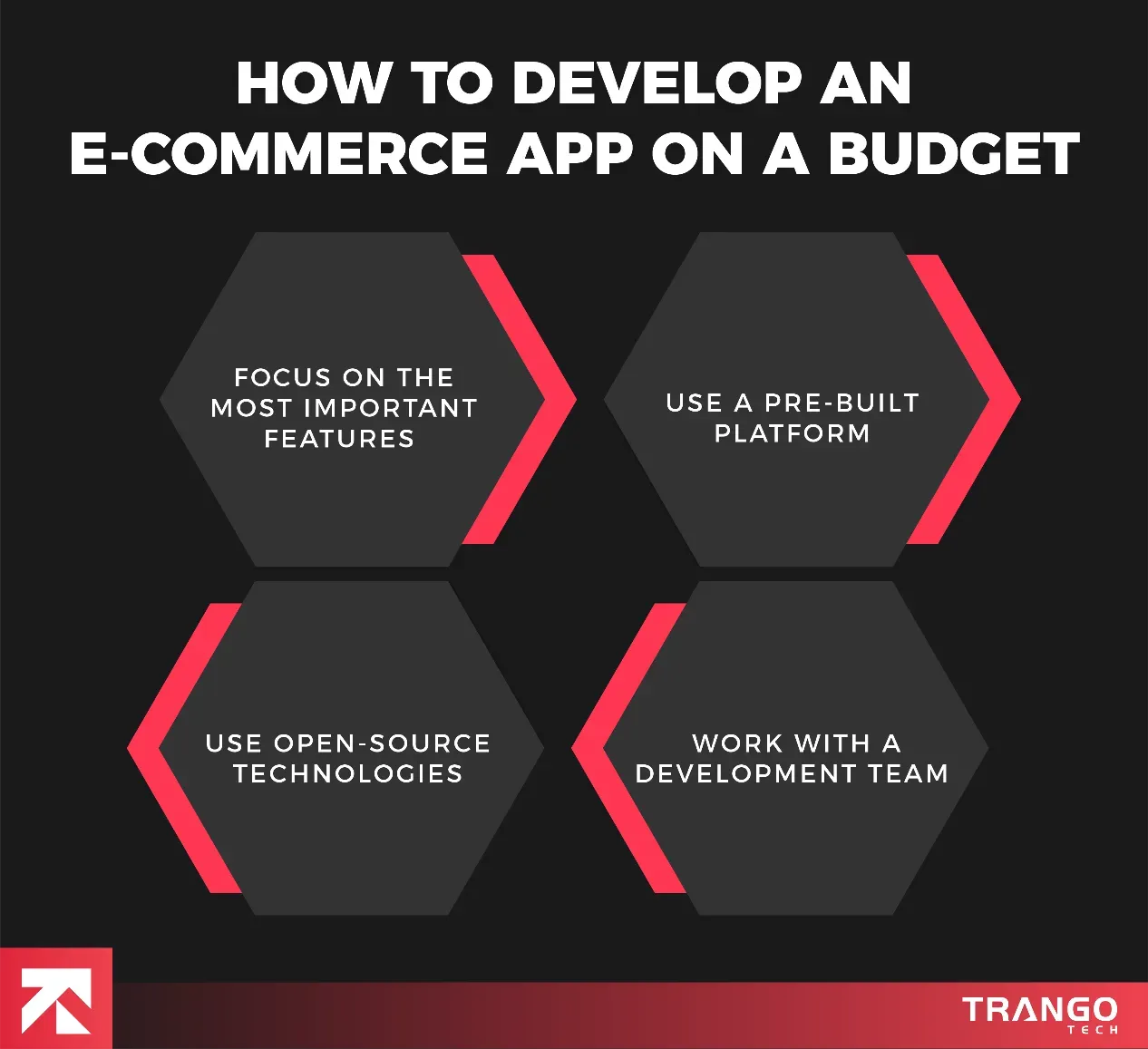
However, while these tools are great for simple apps, you may still need assistance from an ecommerce app development company for complex functionalities or scaling.
At last, if you do decide to go through the challenging journey of launching your app and outsourcing your ecommerce app development, selecting the right development company is vital for the success of your project.
Look for a reputable ecommerce app development company with a track record of delivering successful projects on time and within budget.
Consider factors such as their expertise in ecommerce app development, their portfolio, client testimonials, and their ability to understand and align with your business goals.
At AppsRhino, we specialize in ecommerce app development services that are tailored to meet the unique needs of your business. Our expertise in building user-friendly and high-performing ecommerce apps ensures that your app will stand out in the competitive marketplace.
Collaborating with experts helps you avoid common pitfalls, ensures your app is built efficiently, and positions your business for long-term success.
Monetization is a critical aspect of any ecommerce app. Selecting the right strategy ensures consistent revenue generation while delivering value to users.
Below are the most effective strategies for ecommerce app development.
Incorporating ads strategically can help businesses monetize their apps without affecting the user journey. Many ecommerce app development services can help design and implement ad placements for maximum impact.
Subscription models are ideal for businesses seeking consistent revenue streams through ecommerce mobile app development.
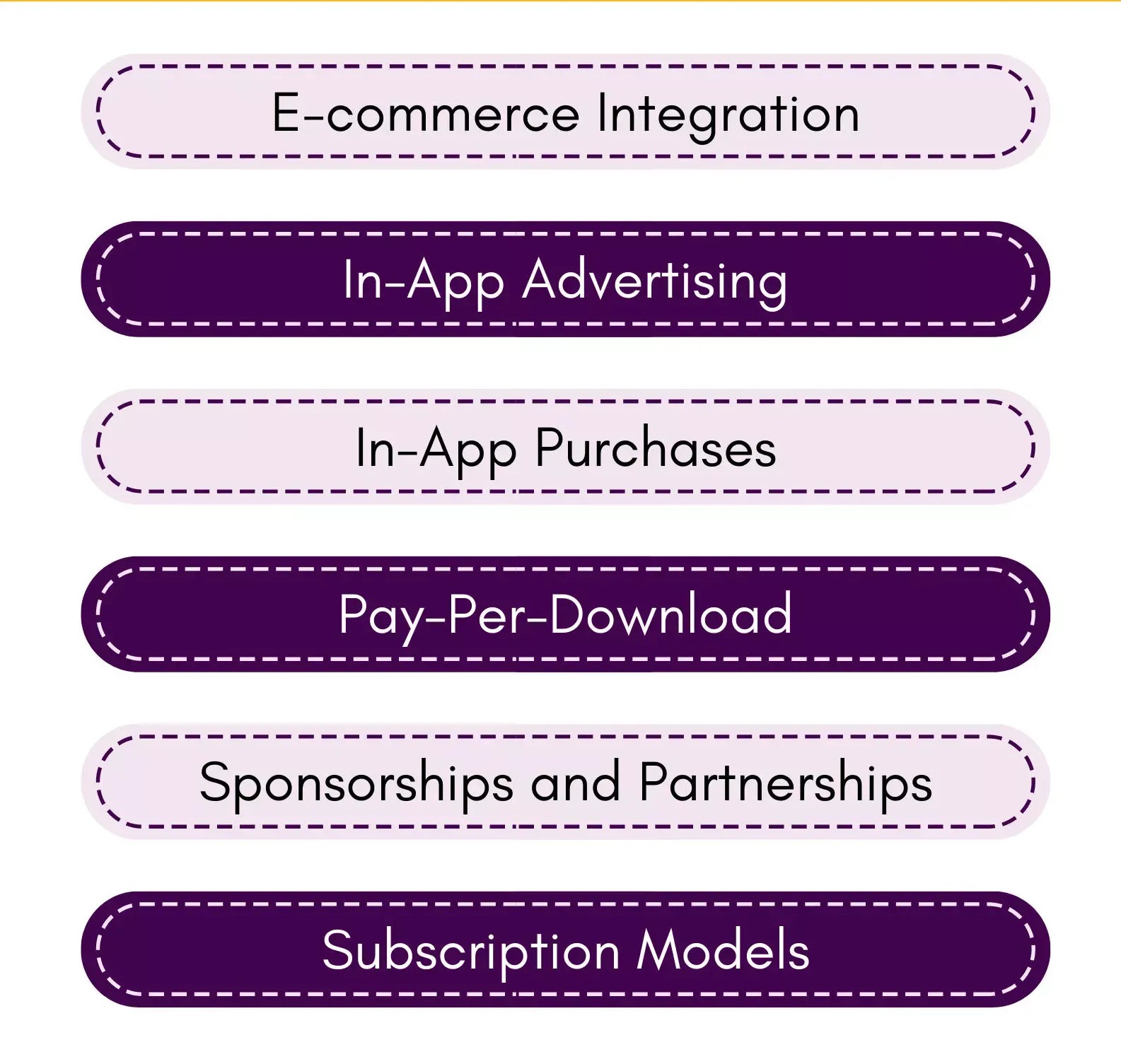
An ecommerce app development company can help implement commission-based systems seamlessly into your app.
Freemium models are popular in ecommerce mobile app development, enabling businesses to attract a broad user base while upselling premium services.
In conclusion, venturing into ecommerce app development offers immense opportunities in the rapidly evolving digital marketplace. By understanding the landscape, planning meticulously, and leveraging the right technologies, you can create a standout app that meets consumer demands.
Whether choosing native or hybrid development, in-house or outsourcing, each decision plays a crucial role in your app's success.
Post-launch, focus on ASO, marketing, and continuous updates to ensure growth and user engagement. With dedication and strategic planning, your ecommerce app can thrive, delivering exceptional user experiences and driving business growth in this dynamic industry.
Custom Development
7 Apr 2026
Tell us what your business actually runs on today, and we will map what it takes to make it one system.