
Custom Development
Alcohol Delivery Market Share and Trends: Size, Growth, & Business Opportunities
7 Apr 2026
Healthcare doesn’t slow down. Your technology shouldn’t either.
In 2026, launching a telehealth product isn’t just about adding video consultations and calling it innovation.
The real differentiator lies in choosing the right telemedicine app features, the ones that secure patient data, streamline clinical workflows, support encrypted file uploads for IDs and insurance documents, and scale without breaking compliance.
So, what is telemedicine app? What are the features that truly define a high-performing platform?
In this guide, we’ll break down core and advanced capabilities, compliance essentials, technology stack, development cost considerations, and the future trends shaping modern telemedicine platform features, so you can build with clarity, not guesswork.
This guide explains the essential features of telemedicine apps, development considerations, security standards, cost factors, and emerging trends.
A telemedicine app is a digital healthcare platform that enables patients to consult with doctors remotely via secure video calls, chat, and integrated medical systems.
Instead of visiting a clinic in person, users can book appointments, share medical records, receive prescriptions, and manage payments, all within a single secure application.
These foundational telemedicine app features ensure smooth, secure, and scalable digital healthcare delivery.
Every successful platform relies on well-structured telemedicine app features that seamlessly support patients, doctors, and administrators.
Here are the core capabilities every scalable solution should include.
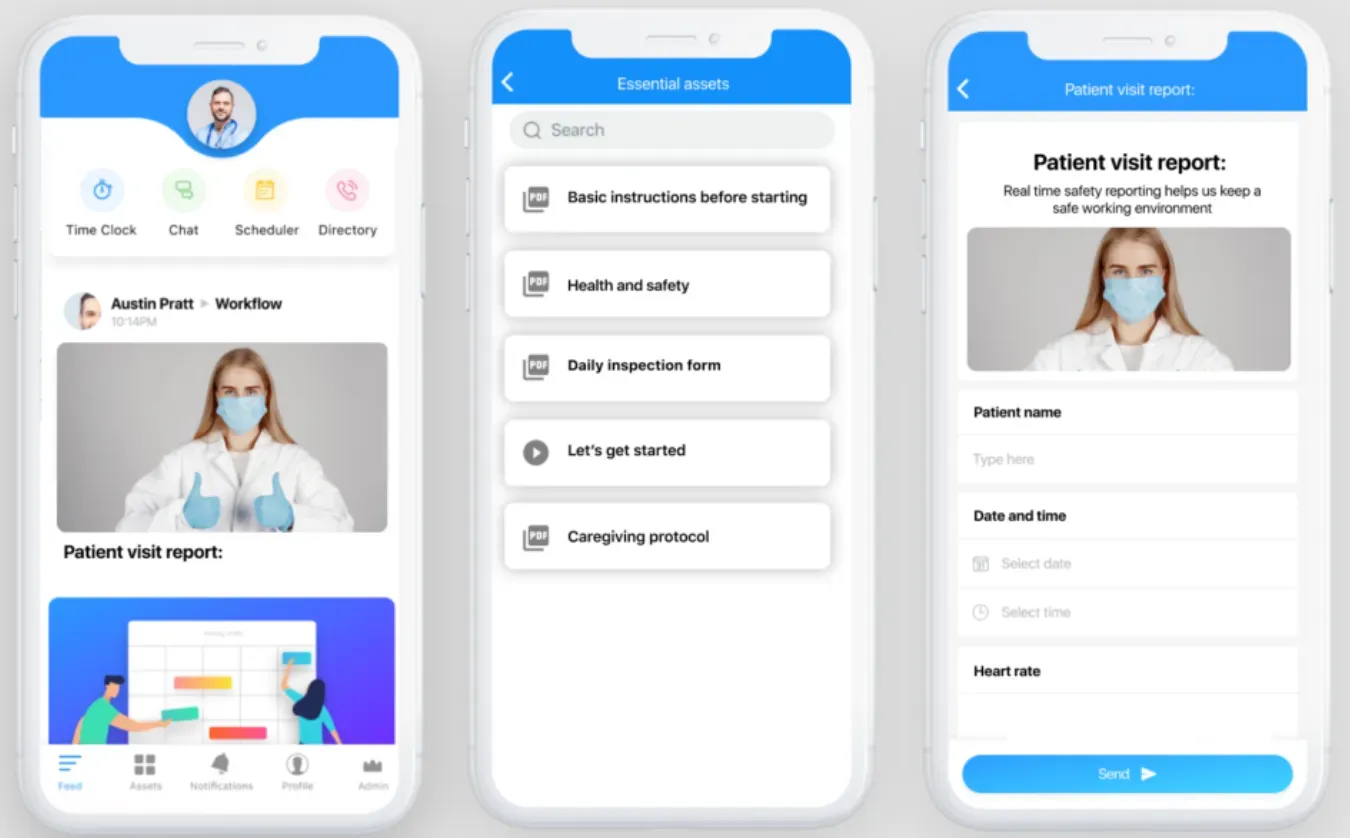
This ensures that sensitive medical data remains protected while being accessible only to authorized professionals.
These core features of telemedicine app platforms ensure a seamless patient journey from onboarding to treatment.
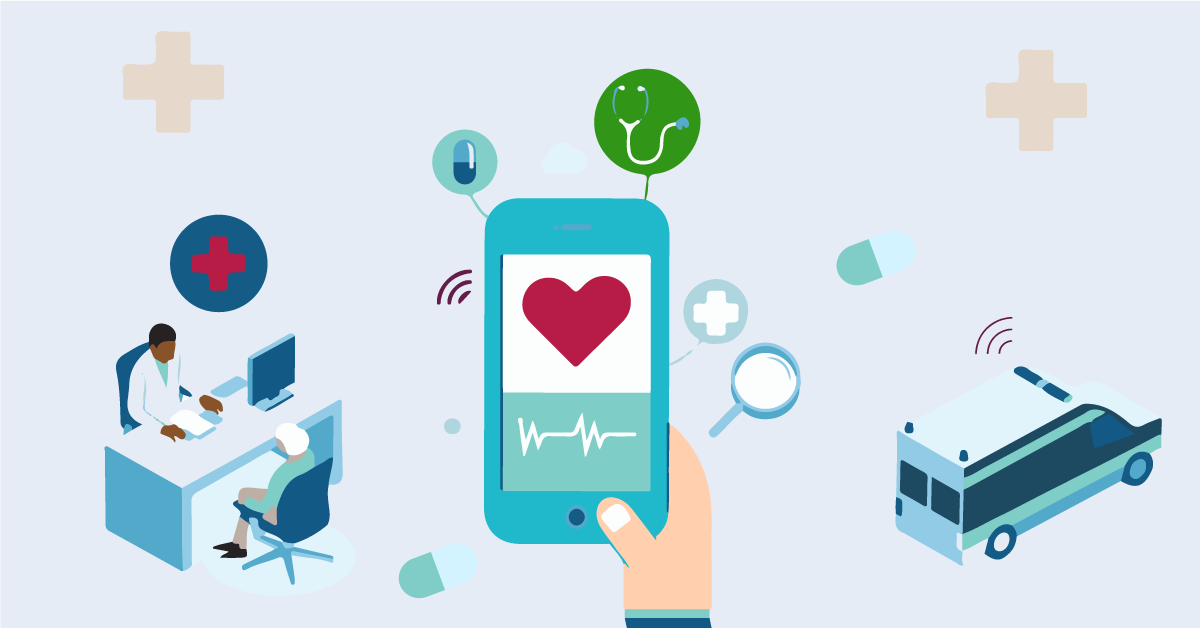
For healthcare providers, telemedicine platform features must streamline clinical workflows:
These telemedicine app essential features help doctors deliver efficient, compliant, and high-quality care remotely.

Behind every reliable platform is a strong administrative layer. Advanced telemedicine app features must include:
These essential features of telemedicine apps form the control center that keeps digital healthcare systems stable, compliant, and growth-ready, something experienced development partners such as AppsRhino focus on when architecting enterprise-grade telehealth platforms.
Healthcare technology is evolving fast, and modern telemedicine platform features must go beyond the basics.
Let’s explore the advanced capabilities shaping telemedicine app features in 2026.
AI-powered chatbots assist patients with initial symptom assessment before scheduling consultations.
They streamline triage and reduce unnecessary appointments while keeping users engaged.
How it helps: Improves efficiency and reduces workload for healthcare providers.
IoT-enabled devices track vital signs such as heart rate, blood pressure, and glucose levels in real time. Data is securely shared with doctors for continuous monitoring.
How it helps: Enables proactive care and better chronic disease management.
Integration with smartwatches and health trackers syncs live patient data directly into the platform. Doctors can access insights during consultations.
How it helps: Supports more accurate, data-driven clinical decisions.
Built-in reminders notify patients to take medication on time and track adherence. Doctors can monitor compliance through dashboards.
How it helps: Improves treatment consistency and patient outcomes.
Automated insurance validation checks coverage instantly before consultations. It simplifies claims and reduces billing friction.
How it helps: Minimizes claim rejections and speeds up reimbursement.
Language localization allows patients to navigate the app and consult doctors comfortably. It improves inclusivity across regions.
How it helps: Expands access to care for diverse populations.
Blockchain adds a tamper-resistant layer for securely storing and sharing medical records. It enhances transparency across telemedicine software features.
How it helps: Strengthens trust and data integrity.
Cloud-native infrastructure ensures platforms can handle growing user volumes securely. It supports performance stability while adapting to telemedicine app development cost features & trends in 2026.
How it helps: Enables long-term scalability without compromising performance.
These essential features of the advanced telemedicine app ensure your platform stays secure, intelligent, and future-ready.
Security is the foundation of reliable healthcare platforms.
Take a look at the compliance-driven telemedicine app essential features that protect patient data and ensure regulatory alignment.
Together, these telemedicine software features create a secure and compliant foundation for long-term growth in digital healthcare.
The right technology foundation ensures telemedicine app features remain secure, fast, and scalable.
Take a look at the core layers that power modern telemedicine platform features.
Together, this technology stack ensures that telemedicine app features are reliable, compliant, and scalable for long-term digital healthcare.
Budgeting is as important as feature planning in digital healthcare.
Let’s understand how the cost of telemedicine app development varies by functionality and system complexity.
Understanding how telemedicine app essential features influence development cost helps businesses plan smarter and build platforms that scale sustainably.
The real value of telemedicine app features lies in their ability to transform care delivery.
Beyond technology, these features of telemedicine app platforms directly improve patient access, efficiency, and operational performance.
Virtual consultations remove geographic barriers, allowing patients to connect with specialists quickly without travel delays.
Smart scheduling, digital queues, and automated reminders streamline appointments and minimize idle time for both patients and providers.
Telemedicine platform features extend healthcare services to remote and underserved areas where physical clinics are limited.
Remote monitoring and secure data sharing enable continuous follow-ups for long-term conditions like diabetes or heart disease.
Digital workflows reduce overhead, optimize resource allocation, and improve efficiency without expanding physical infrastructure.
When implemented thoughtfully, telemedicine software features enhance care quality while keeping healthcare systems scalable and cost-effective.
Selecting the right telemedicine app features requires more than copying competitor checklists.
Poor planning can increase development cost, weaken security, and reduce long-term scalability.
Many platforms focus on user experience but overlook regulatory requirements such as HIPAA and GDPR.
Without compliance-ready telemedicine software features, sensitive patient data, including uploaded IDs and insurance documents, can be exposed to legal and security risks.
Solution: Design the telemedicine app essential features with encryption, audit logs, role-based access, and secure cloud storage from the start.
Trying to include every possible feature of telemedicine app platforms at launch often complicates usability and inflates telemedicine app development costs.
Excessive functionality can overwhelm users and slow down performance.
Solution: Prioritize core telemedicine app features first, then expand strategically based on real usage data.
Virtual consultations are central to telemedicine platform features, yet many apps rely on unstable or poorly optimized video systems.
This leads to disrupted sessions, reduced trust, and poor patient experience.
Solution: Invest in secure, high-performance video APIs with end-to-end encryption and bandwidth optimization.
Some businesses build for immediate needs without preparing for growth, causing system slowdowns as user volume increases.
A lack of a scalable architecture affects both performance and future feature expansion.
Solution: Use a cloud-native infrastructure that supports flexible scaling and long-term growth.
Without backend visibility, it becomes difficult to track appointments, revenue, system health, and user engagement.
Missing analytics limits data-driven decisions around telemedicine app features and operational improvements.
Solution: Integrate comprehensive dashboards that monitor usage, financial metrics, and compliance indicators.
Avoiding these mistakes ensures your telemedicine app features remain secure, scalable, and aligned with sustainable healthcare delivery goals.
Telemedicine app features are evolving far beyond basic video consultations.
In 2026, platforms are integrating AI-driven diagnostics to assist clinical decision-making, while predictive analytics help detect health risks earlier by analyzing patterns in patient data.
Remote ICU monitoring is enabling specialists to oversee critical patients across locations in real time.
At the same time, voice-based consultations are improving accessibility, and AR-assisted diagnosis is being explored for guided procedures and remote training.
Recent insights from global healthcare bodies like the WHO and industry reports from McKinsey (2025–2026 updates) highlight that digital health platforms are steadily transforming into intelligent, data-driven care ecosystems.
As these innovations mature, telemedicine app essential features will continue shifting toward automation, real-time intelligence, and connected care infrastructure.
Building the right telemedicine app starts with understanding what truly matters.
From core telemedicine app features like scheduling and secure consultations to advanced telemedicine platform features such as AI diagnostics and remote monitoring, every capability should serve real healthcare needs.
Security, scalability, and compliance are not add-ons; they are telemedicine app essential features that shape long-term success.
As telemedicine app development costs, features & trends in 2026 continue evolving, thoughtful planning becomes even more important.
Whether you're exploring what is telemedicine app is and what are the features are, or refining your existing platform, partnering with experienced teams like AppsRhino can help translate strategy into a secure, scalable healthcare solution.
Custom Development
7 Apr 2026
Tell us what your business actually runs on today, and we will map what it takes to make it one system.