


Custom Development
Alcohol Delivery Market Share and Trends: Size, Growth, & Business Opportunities
7 Apr 2026
The way healthcare providers manage patient appointments can significantly impact their operational efficiency and patient satisfaction. Many clinics and hospitals still rely on outdated manual booking systems, leading to overbooked schedules, high no-show rates, and administrative inefficiencies.
An online patient appointment scheduling system offers a digital solution to streamline the appointment booking process. By integrating automation, real-time scheduling, and patient self-service options, these systems improve efficiency and enhance the patient experience.
This guide explores the key features, benefits, implementation steps, and top patient appointment scheduling software solutions to help business owners make an informed decision.
A patient appointment scheduling software is a digital solution that automates the process of booking, managing, and tracking patient visits in healthcare facilities.
It eliminates manual scheduling, reduces human errors, and enhances operational efficiency for clinics, hospitals, and telemedicine services.
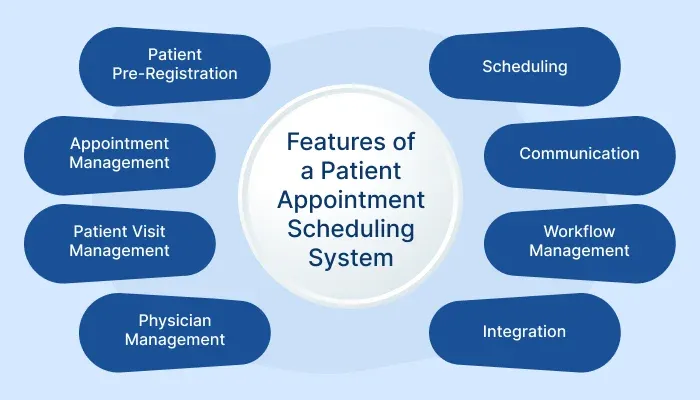
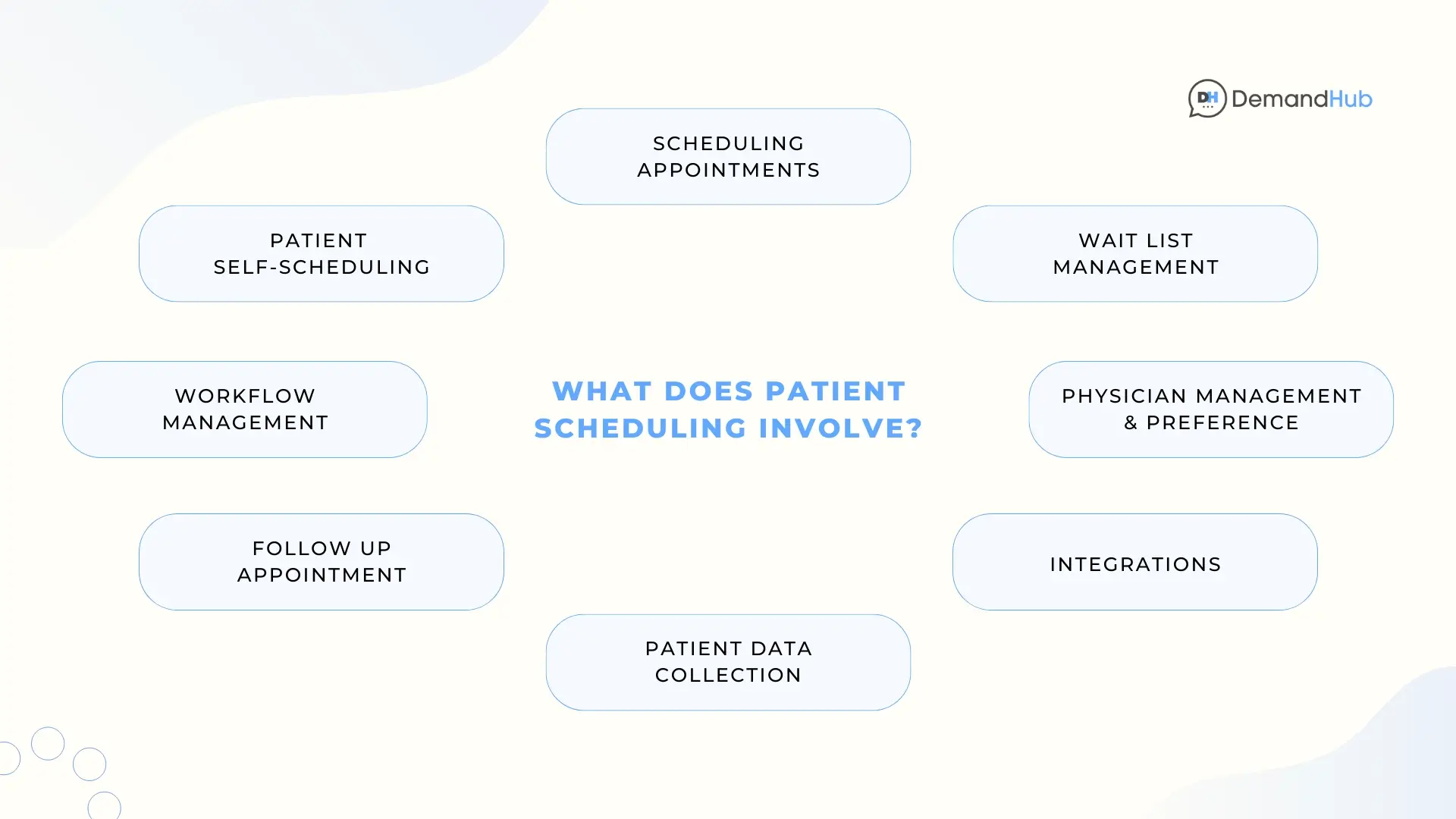
Patient appointment scheduling software functions by integrating with healthcare management systems to allow patients to book, reschedule, or cancel appointments online. These systems typically include features such as:
Understanding the different types of scheduling solutions helps healthcare providers choose the right system based on their needs.
Designed for independent clinics, this type of scheduling system operates separately from other healthcare management tools.
It is ideal for small practices that need an efficient way to manage appointments without investing in full-scale hospital management systems.
Large-scale healthcare organizations benefit from scheduling systems that are part of a comprehensive hospital management suite.
These systems integrate patient scheduling with billing, EHR, and resource management to ensure smooth hospital operations.
For multi-location hospitals and telehealth providers, cloud-based scheduling software offers flexibility, allowing remote access and centralized appointment management.
These solutions enhance patient engagement by providing self-service options from anywhere, at any time.
While patient appointment scheduling software significantly improves efficiency, many healthcare facilities still struggle with common challenges.
Addressing these pain points is crucial for delivering a seamless patient experience and optimizing operational workflows.
Problem: Many clinics and hospitals face issues where multiple patients are booked for the same slot, causing delays and frustration.
Solution: Implementing real-time availability tracking and automatic slot allocation prevents scheduling conflicts, ensuring smooth patient flow.
Problem: Missed appointments result in wasted resources and lost revenue for healthcare providers.
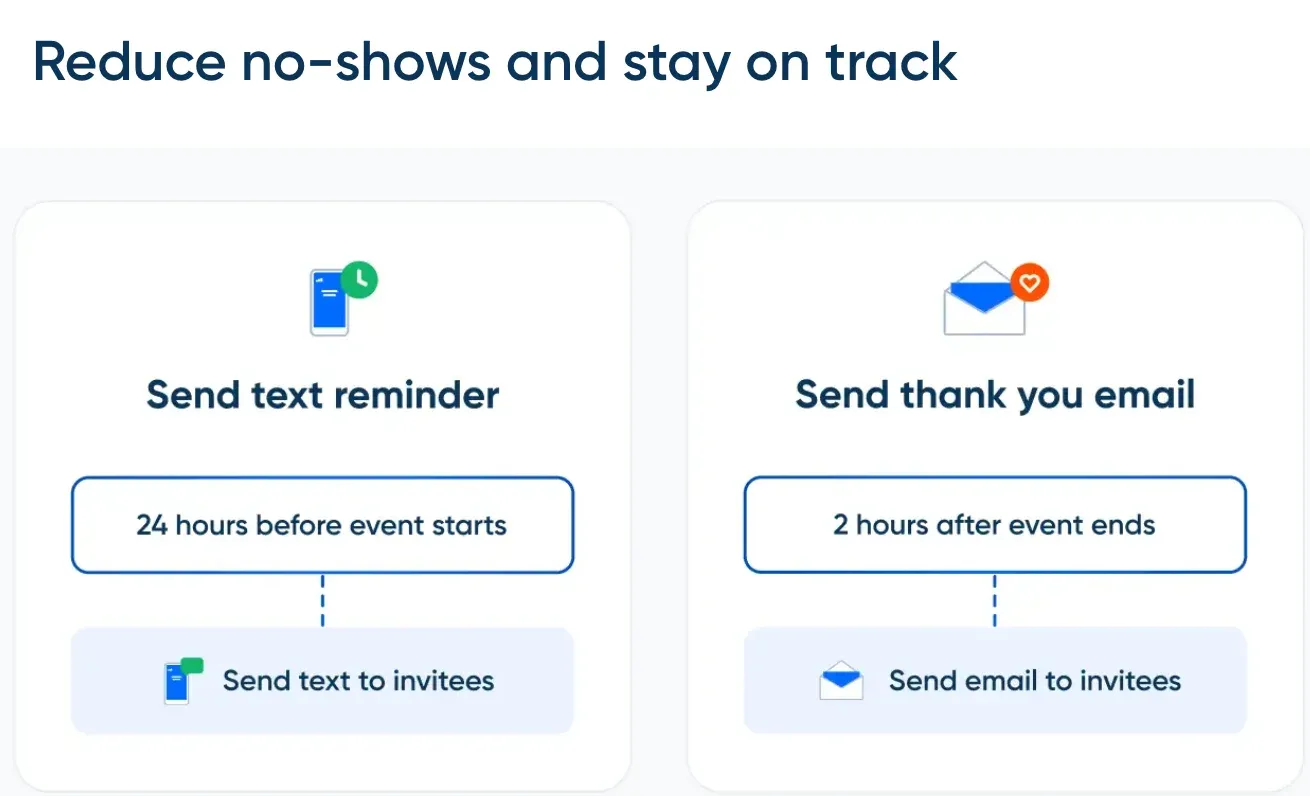
Solution: Automated appointment reminders via SMS, email, or push notifications help reduce no-shows. Some software solutions also offer pre-payment options to ensure commitment from patients.
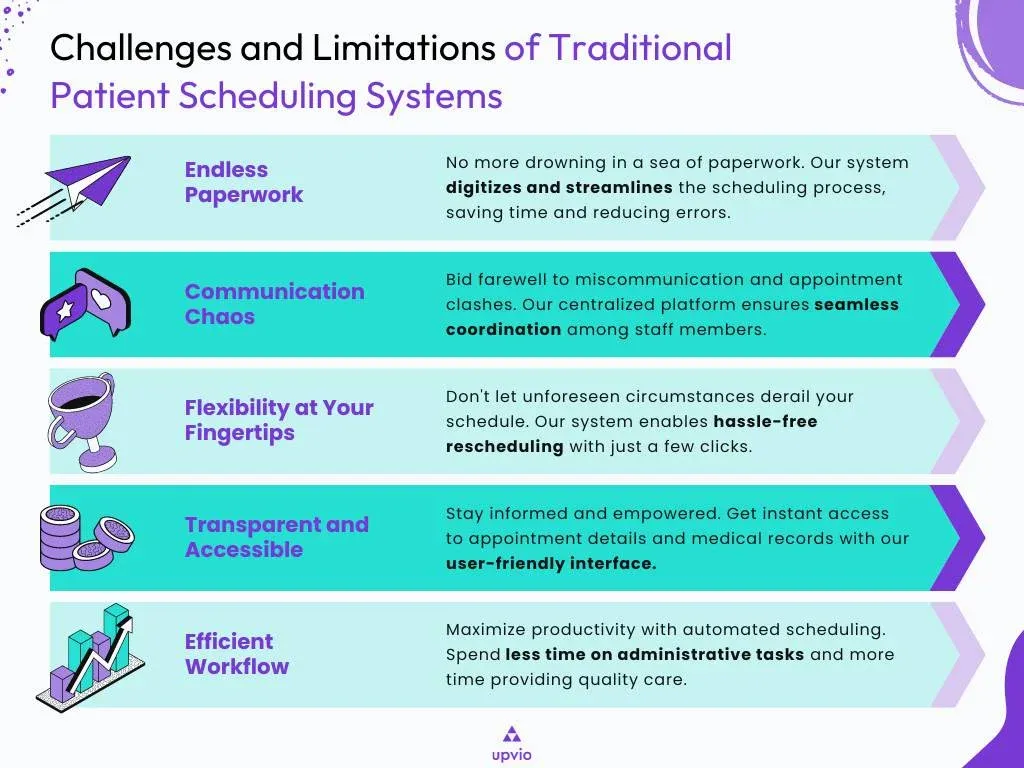
Problem: Many healthcare facilities still rely on outdated, manual booking systems that require staff intervention, increasing administrative workload and human errors.
Solution: A self-service patient portal allows patients to book, modify, or cancel appointments without staff involvement, reducing administrative burden and improving efficiency.
Problem: Patients often forget their appointments or fail to follow up due to a lack of communication from healthcare providers.
Solution: An automated follow-up system can send post-appointment feedback requests, prescription reminders, and health check-up alerts, improving patient engagement and continuity of care.
Problem: Long wait times, mismanaged appointment slots, and poor communication lead to patient dissatisfaction.
Solution: AI-powered scheduling tools optimize appointment slots based on priority, physician availability, and patient needs, ensuring a seamless scheduling experience.
In today’s fast-paced healthcare environment, managing patient appointments efficiently is critical for both patient satisfaction and operational success.
A robust Patient Appointment Scheduling Software can transform how healthcare providers handle their daily workflows, reduce administrative burdens, and improve patient experiences.
This blog explores the key features of an effective scheduling system, highlighting how it addresses common pain points for healthcare business owners.
Whether you’re running a small clinic or a large hospital, these insights will help you understand why investing in the right patient appointment scheduling solution is a game-changer.
A scheduling system is only as good as its usability. If it’s difficult to navigate, both staff and patients will struggle, leading to inefficiencies and frustration.
A Patient Appointment Scheduling Software should be intuitive and easy to use for both staff and patients. Complicated systems lead to frustration, errors, and wasted time.
A user-friendly interface ensures that staff can quickly schedule, reschedule, or cancel appointments, while patients can effortlessly book their visits without needing assistance.
For example, a drag-and-drop calendar interface allows staff to manage appointments visually, while a clean, step-by-step booking process ensures patients can complete their bookings in minutes.
With the rise of mobile usage, a scheduling system must be mobile-friendly. Patients should be able to book appointments from their smartphones, and staff should manage schedules on the go.
This flexibility enhances accessibility and convenience, making it easier for everyone to stay on top of their schedules.
Imagine a patient booking an appointment while commuting or a nurse checking the day’s schedule during a break. Mobile-friendly systems make this possible.
Key Takeaway: A user-friendly interface reduces training time for staff and improves patient satisfaction by making the scheduling process seamless.
Manual scheduling is prone to errors and inefficiencies. Automating the process not only saves time but also ensures accuracy and consistency.
Gone are the days of phone tag and manual scheduling. Modern Patient Appointment Scheduling Software allows patients to book, cancel, or reschedule appointments online.
This feature saves time for both patients and staff, reducing the workload on front-desk personnel.
For instance, a patient can log in to their account, view available slots, and reschedule their appointment without calling the clinic. This level of convenience enhances patient satisfaction and frees up staff to focus on more critical tasks.
A scheduling system should integrate seamlessly with your existing healthcare infrastructure, such as Electronic Health Records (EHR), billing, and insurance systems. This integration ensures that all patient data is synchronized, reducing errors and improving efficiency.
For example, when a patient books an appointment, their details are automatically updated in the EHR, eliminating the need for duplicate data entry.
Key Takeaway: Automation streamlines operations, minimizes errors, and enhances the overall patient experience.
Missed appointments are a significant pain point for healthcare providers, leading to lost revenue and wasted resources. Automated reminders can help address this issue effectively.
Automated reminders via SMS, email, or push notifications can drastically reduce no-show rates. Patients receive timely reminders, ensuring they don’t forget their appointments.
For example, a patient might receive a text reminder two days before their appointment and another on the morning of the visit. This simple yet effective feature can significantly improve attendance rates.
Key Takeaway: Automated reminders improve attendance rates, saving time and revenue for your practice.
The rise of telemedicine has transformed how healthcare is delivered. A modern scheduling system should support this shift, offering flexibility for both patients and providers.
The demand for telemedicine has skyrocketed, and a modern scheduling system should support virtual consultations.
Patients can book video appointments, and providers can conduct consultations remotely. This feature is especially valuable for follow-ups or patients who cannot visit in person.
For instance, a busy professional can schedule a virtual consultation during their lunch break, eliminating the need to take time off work.
Key Takeaway: Telemedicine integration expands your practice’s reach and provides flexibility for patients.
Protecting patient data is a top priority for healthcare providers. A breach can lead to severe consequences, including legal penalties and loss of patient trust.
A reliable Patient Appointment Scheduling Software must be HIPAA-compliant, ensuring that all patient information is securely stored and transmitted.
This compliance builds trust with patients and safeguards your practice from legal risks.
For example, encryption and secure login protocols ensure that only authorized personnel can access sensitive patient data.
Key Takeaway: HIPAA compliance is essential for maintaining patient trust and meeting regulatory requirements.
Data-driven decision-making is the future of healthcare. A scheduling system with advanced analytics capabilities can provide valuable insights to optimize operations.
Advanced scheduling systems leverage AI and analytics to provide actionable insights. Track appointment trends, predict peak demand periods, and optimize staff schedules accordingly.
This data-driven approach ensures that your practice operates at maximum efficiency.
For example, analytics might reveal that Mondays are your busiest days, prompting you to allocate more staff during that time.
Key Takeaway: AI-powered analytics help you make informed decisions, improving resource allocation and patient care.
Let’s discuss Why Your Healthcare Practice Needs Patient Appointment Scheduling Software-
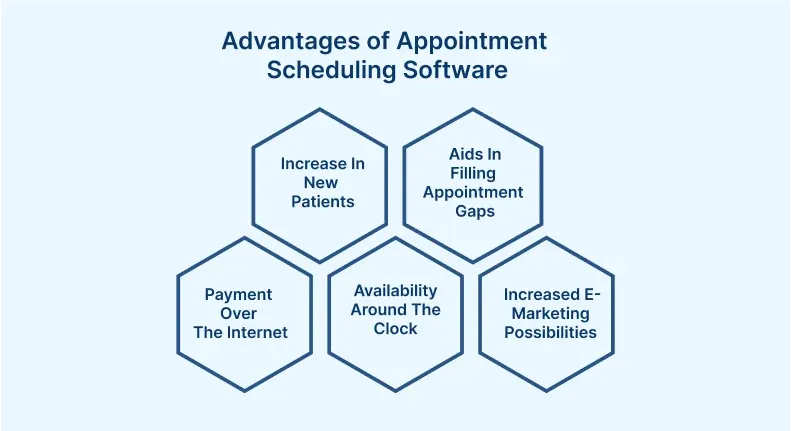
Here are the reasons why Healthcare providers need Patient Appointment Scheduling Software
Manual scheduling is time-consuming and prone to errors. With patient appointment scheduling software, appointments are automated, freeing up your staff to focus on more critical tasks.
Key Takeaway: Reduce administrative burden and minimize human errors.
Streamlined scheduling means more time for healthcare providers to focus on delivering quality care.
Leveraging appointment setting services alongside scheduling software can further optimize the appointment flow and enhance patient satisfaction.
Key Takeaway: Improve operational efficiency and enhance patient outcomes.
This is how Appointment Scheduling software benefits Patients-
Patients can book, reschedule, or cancel appointments anytime, anywhere, using an intuitive online platform.
Key Takeaway: Offer convenience and flexibility to your patients.
Automated scheduling ensures optimal time management, reducing patient wait times and boosting satisfaction.
Key Takeaway: Create a seamless and positive patient experience.
Well this is how clinic & Hospitals get benefits from Appointment scheduling software
Smart scheduling algorithms fill gaps in your calendar, ensuring no time is wasted.
Key Takeaway: Maximize resource utilization and reduce revenue loss.
By minimizing no-shows and optimizing appointment slots, your practice can significantly increase revenue.
Key Takeaway: Drive revenue growth through efficient scheduling.
Once you have made your mind, that how can a patient Appointment Scheduling Software benefit your healthcare business, next thing to do is to follow these steps in order to have your own Appointment scheduling software.
Before diving into implementation, identify the pain points in your current scheduling processes.
Are you struggling with no-shows, long wait times, or administrative overload?
Understanding these challenges will help you choose the right software.
Actionable Insight: Conduct a survey among staff and patients to gather feedback on current scheduling issues.
Not all patient appointment scheduling software is created equal. Consider the following factors:
Features: Look for automated reminders, online booking, and integration capabilities.
Scalability: Ensure the software can grow with your practice.
Budget: Choose a solution that offers the best value for your investment.
Key Takeaway: Select software that aligns with your practice’s unique needs.
Your new scheduling system should seamlessly integrate with existing tools like Electronic Health Records (EHR), telemedicine platforms, and billing systems.
This ensures a smooth workflow and minimizes disruptions.
Actionable Insight: Work with your IT team or software provider to test integrations before full deployment.
Successful implementation requires buy-in from both staff and patients. Provide comprehensive training for your team and educate patients on how to use the new system.
Key Takeaway: A well-informed team and patient base ensure faster adoption and smoother operations.
Once the system is live, use analytics to track its performance. Identify areas for improvement and continuously optimize your scheduling workflows.
Actionable Insight: Regularly review reports on no-show rates, patient satisfaction, and appointment utilization.
Long wait times, missed appointments, and administrative bottlenecks can harm patient satisfaction and strain your clinic or hospital’s operations.
While off-the-shelf patient appointment scheduling software can offer a quick fix, a custom solution is often the better choice for healthcare providers looking to streamline workflows, enhance patient experience, and scale their operations.
In this blog, we’ll explore why a custom patient appointment scheduling system is the ultimate solution for your healthcare facility, how to build one, and what to consider when partnering with a software development company.
Building a custom patient appointment scheduling system may sound daunting, but with the right approach, it’s a straightforward process. Here’s how to get started:
The first step is to find a reliable software development partner with experience in healthcare solutions. Look for a company that understands the complexities of the healthcare industry and can deliver a secure, compliant, and user-friendly platform.
Before development begins, outline your must-have features and functionalities. Key considerations include:
Choosing the right software development company is critical to the success of your project. Here are some questions to ask before hiring a partner:
A reliable partner will not only deliver a high-quality product but also provide ongoing support to ensure your system evolves with your needs.
The growing importance of a digital patient appointment scheduling system cannot be overstated. It’s a powerful tool that enhances patient experience, improves operational efficiency, and sets your healthcare facility apart from the competition.
By choosing a custom solution, you gain a platform tailored to your unique needs, with full control over features, branding, and integrations. While the development process requires careful planning and investment, the long-term benefits far outweigh the costs.
Ready to transform your patient appointment scheduling process?
Get in touch with us today to explore how a custom patient appointment scheduling software can revolutionize your clinic or hospital. Let’s build a solution that works as hard as you do.
Custom Development
7 Apr 2026
Tell us what your business actually runs on today, and we will map what it takes to make it one system.