
Custom Development
Alcohol Delivery Market Share and Trends: Size, Growth, & Business Opportunities
7 Apr 2026
Take your business online via Ecommerce app development. This format allows entrepreneurs to extend their businesses to virtual platforms or online modes.
Ecommerce platform development is the outlook your business needs in this current technological landscape.
As consumers find it difficult to visit physical stores and get what they want. The availability of a virtual equivalent will offer the comfort and convenience your target audience is looking for, along with a broader reach and visibility.
From famous food joints to your favorite shopping destination every domain has found solace in this platform. Join in the community and set your business off to sail the ocean of success.
After the sudden onset of a global pandemic, ecommerce platforms have become all the more important.
Thus, look no further and dive into the world of ecommerce platform development. Both Freshers or established organizations can benefit from the extensive advantages offered by this medium.
Let us understand and analyze this platform through this guide given below and look how businesses can put this platform to use to cater to their individual business requirements.
Before completely committing to an ecommerce platform, certain factors need to be considered, such as:
These are just a few examples of top ecommerce development platforms.
Each platform has its own unique features and strengths, so it is important to evaluate your specific business needs and requirements before making a decision.

Currently leading as the number one shopping destination, Shopify is a well-known ecommerce platform known for its unique features and customer-friendly solutions.
This application allows customers to surf through the application at ease and even offer them exclusive discounts and recommendations based on their previous purchases.
While making payments, customers get to choose from the variety of payment options listed and make their payments accordingly.
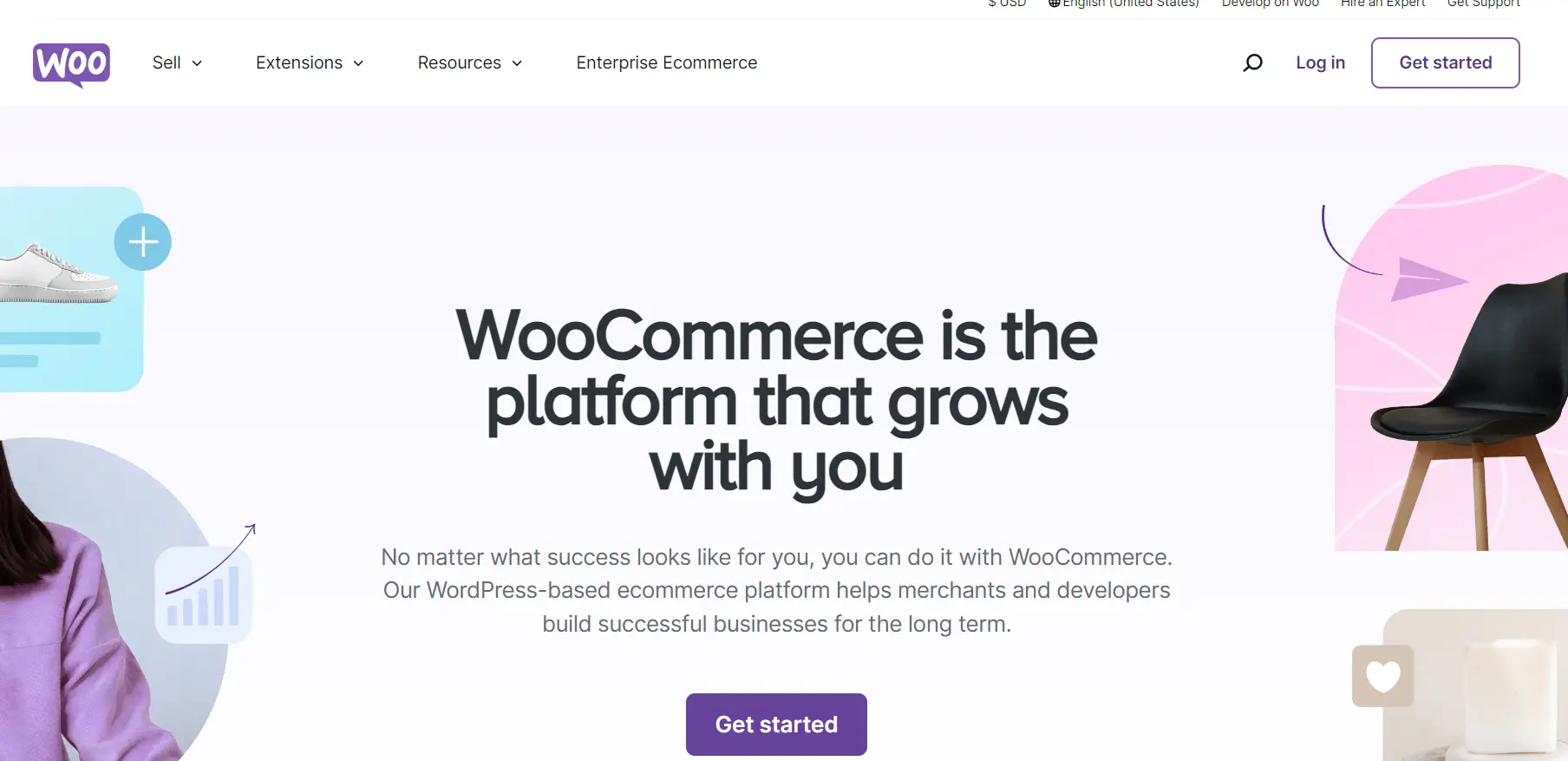
For businesses who are already in tune with Wordpress on their websites and other platforms, WooCommerce is their go to ecommerce platform.
This platform uses WordPress as a plugin to offer an extensive range of benefits to its target audience.
The features offered by WooCommerce range from customizable themes, product variations, inventory management, and multiple payment options.
Magento is a highly customizable and feature-rich platform suitable for large-scale ecommerce stores.
It offers advanced features such as a robust product catalog, complex pricing options, powerful search capabilities, and extensive integrations.
However, Magento requires technical expertise and is more suitable for businesses with larger budgets and complex requirements
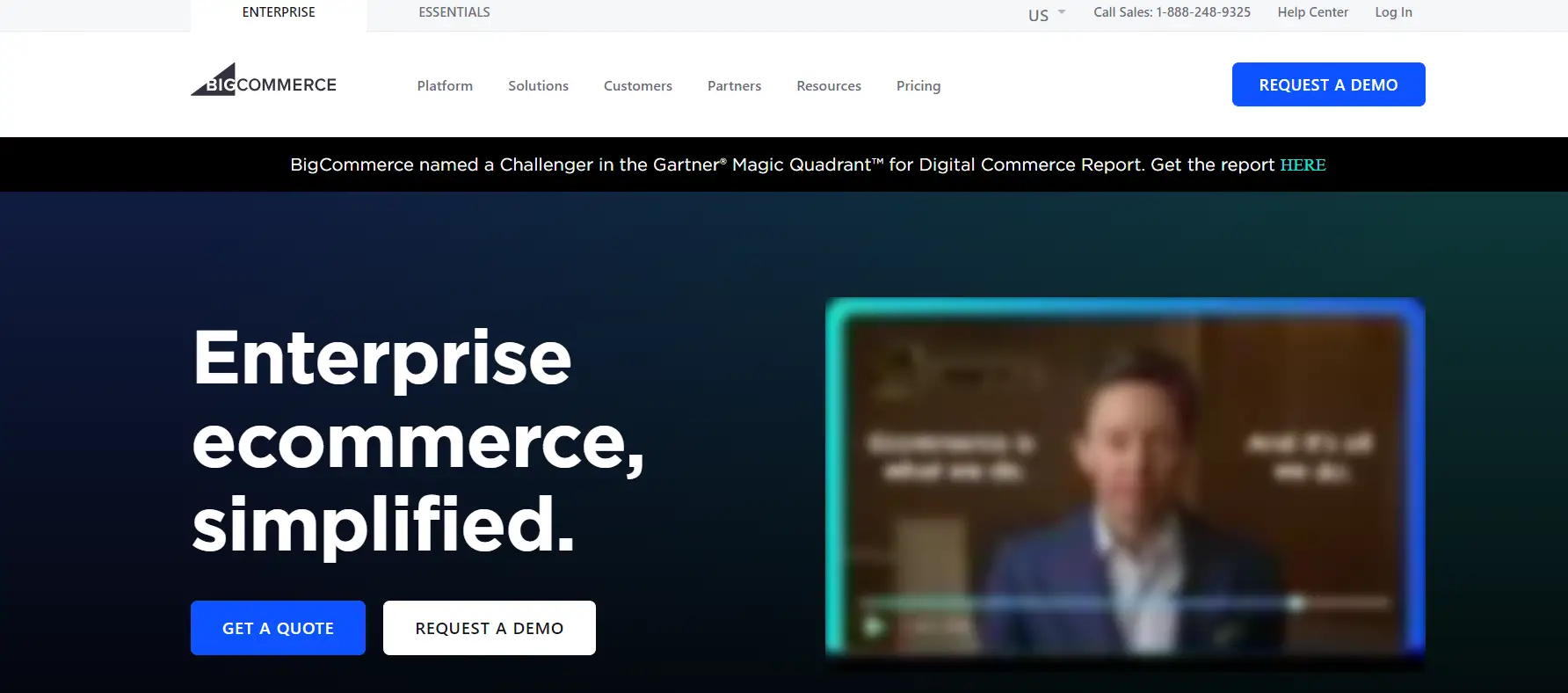
BigCommerce is a comprehensive platform that offers a wide range of features, including customizable templates, built-in SEO tools, multiple payment gateway options, and robust security features.
It also provides scalability and integrates well with third-party applications.
Suggested Reading:
When is the Right Time for Ecommerce Software Development?
When comparing these platforms, it's essential to consider your specific business requirements, budget, level of technical expertise, and scalability needs.
Evaluating the features, customization options, integrations, and overall pricing structure will help you choose the platform that best suits your ecommerce goals.
They can leverage the features, scalability, security, and support provided by these platforms, allowing them to focus on growing their business and delivering a seamless shopping experience to their customers.
Ecommerce development platforms provide user-friendly interfaces and intuitive tools that make it easier for businesses to set up their online stores.
They often have built-in templates and drag-and-drop functionality that allows for quick and straightforward store customization.
Ecommerce development platforms are a budget-friendly and feasible option for businesses of all sizes.
Unlike traditional e-commerce websites where everything has to be made from scratch, ecommerce platforms offer the option of drag-and-drop functionality through which one can choose features that work best for their organization.
These platforms come with a wide range of features and functionalities essential for running an online store.
These can include product catalog management, inventory management, order processing, payment gateway integration, marketing tools, SEO features, and more.
Businesses can easily access and utilize these features without the need for extensive coding or technical knowledge.
Suggested Reading:
Boost Your Business: Ecommerce App Builder's Key Feature
Ecommerce development platforms are designed to accommodate businesses of different sizes and their growth needs.
They offer scalability options, allowing businesses to easily expand their product catalog, handle increased website traffic, and add more advanced functionalities as needed without disrupting the existing infrastructure.
Ecommerce platforms are always equipped with adequate data privacy measures and security protocols.
These platforms always adhere to regulatory standards and make sure that they are safe from any unauthorized access and vulnerabilities.
Ecommerce development platforms often integrate with various third-party services and tools.
This allows businesses to streamline their operations by integrating with shipping providers, payment gateways, analytics platforms, CRM systems, and marketing automation tools.
These integrations enhance the functionality of the online store and improve efficiency.
Ecommerce platforms are also known for the top-notch customer services that they offer.
The customer support team is available at all times for the customers in case they come across any trouble during operating the application.
Users can ask questions, address concerns, and even ask for help which will be offered by the customer support team effectively.
Selecting the right ecommerce platform is crucial for the success of your online business. Here are some tips to help you choose the platform that best fits your needs:
Before beginning the search for your desired ecommerce platform, identifying the goals and objectives of your business is important.
Businesses must determine first what they intend to achieve through this platform.
They must also have an idea of the features that might be the best for their business. With this, they can go ahead and make the choice of an ecommerce platform confidently.
Businesses must keep an eye out for platforms that are easier to operate and understand.
Platforms with complexities and difficult interfaces might hinder user experience and thus should be avoided at all costs.
Before finalizing a platform businesses must consider factors like whether they have professionals who can utilize this platform’s full potential or they need to arrange training sessions or campaigns for that.
Suggested Reading:
How to Maintain Your Ecommerce App for Long-Term Success?
Every business is subjected to growth some are slower than others while few are comparatively faster.
The finalized ecommerce platform should have the capacity to scale its features either up or down in accordance with the growing business requirements.
Look if the existing features will work best for your business requirements or not.
Consider features such as inventory management, order processing, payment gateways, SEO tools, marketing features, mobile optimization, and integration options with third-party services.
Make a list of the must-have features for your business and check if the platform offers them.
Thus, businesses can bid goodbye to the traditional e-commerce builders and join forces with new e-commerce development platforms and unleash their exclusive benefits.
This platform not only offers unique features but can also be enhanced wherever business organizations need them to be.
Selecting the right ecommerce development platform requires careful consideration of your business needs, scalability requirements, available features, customization options, pricing, support, and user-friendliness.
By defining your requirements, evaluating different platforms, and considering the tips mentioned above, you can make an informed decision that aligns with your goals and sets a strong foundation for your online business.
Remember to choose a platform that not only meets your current needs but also has the flexibility to grow and adapt as your business expands.
Suggested Reading:
Ecommerce App Development Tips for 2024
Custom Development
7 Apr 2026
Tell us what your business actually runs on today, and we will map what it takes to make it one system.