
Custom Development
Alcohol Delivery Market Share and Trends: Size, Growth, & Business Opportunities
7 Apr 2026
In today's fast-paced world, where everything can be delivered in 20 minutes, like a hot cheesy pizza, personalizing something while keeping the needs in mind can give your business a competitive edge.
Especially when it comes to customized mobile app development, the custom mobile app plays a crucial role in helping businesses gain a competitive advantage in the market by enhancing the end-user experience and improving business efficiency.
But we all know that certain things are easier said than done, and when it comes to starting the customized app development process, questions about its cost-effectiveness, whether the app will have scalability, will the service provider be able to serve as per your needs or not will arise and these are vital too.
To help you set your custom app development to sail smoothly, we have compiled a few important steps on how you can start developing custom mobile apps in 2024.
There are tons of advantages to introducing custom mobile app development over off-the-shelf solutions. Here are a few reasons why:

Custom mobile apps are built to meet each business's unique requirements of meeting the demands of their end users. Whether optimizing internal operations or creating a better user experience, customized mobile app development ensures your specific needs are met.
One of the best benefits of custom on-demand app development is that it can create a user experience that aligns with your brand’s language. From the moment users open your custom mobile app, they should feel familiar territory with your brand. Customized mobile app development for businesses can deliver this kind of experience.
Custom mobile apps are designed to be flexible and scalable. So, you do not have to worry about growing your app’s space, as it will evolve as your business evolves. You can add new features, tweak design elements, and adjust the functionality of your custom mobile app as your business grows.
Custom on-demand app development offers an added layer of security compared to off-the-shelf, readymade apps. You can ensure your custom mobile app meets industry standards and protects valuable data and processes.
To ensure that your custom mobile app delivers the desired results and meets your users' expectations, you must plan and conduct thorough research beforehand. Here are a few things to consider:
Before you start your customized mobile app development, you should define its core purpose. What problems will it help solve? What benefits does it offer to your users? Who is your target audience?
You should acquire all the answers before starting the app development process.
Next, you'll need to conduct market research to validate your idea. Are there similar apps available? What features do they offer? What are their strengths and weaknesses? This information will help your custom app development stand out from the competition.
Analyzing existing custom mobile apps in your niche can help identify what works and what doesn't. You can learn from the competition and incorporate their strengths into your custom app development. Similarly, you can identify weaknesses and improve upon them.
When it comes to developing custom mobile apps, defining the features and functionality is crucial for the success of your project. Here are two key steps to consider:
Start by identifying the core features that allow your custom mobile app to function effectively. With a Minimum Viable Product (MVP) approach, you can prioritize the customized app development features that deliver the most value to your users and launch your app quickly to gather feedback for future enhancements.

Mapping out user flows before starting the custom app development process helps visualize how users navigate your app and interact with different features. By designing user flows, you can ensure a seamless and intuitive user experience that encourages engagement and retention.

Your custom mobile app's user interface (UI) and user experience (UX) play a significant role in attracting and retaining users. Here are key considerations for designing a successful UI and UX:
Usability and intuitive navigation are crucial in ensuring that users can easily navigate your custom mobile app and access its features. Streamline the user experience by organizing content logically and providing clear navigation elements to guide users through the app effortlessly.
A modern and engaging UI captivates users and enhances their overall experience within your custom mobile app. Pay attention to visual design elements like color schemes, typography, and imagery to create a visually appealing interface that aligns with your brand identity and resonates with your target audience.
Selecting the right tech stack is essential to ensure your custom mobile app performs optimally and delivers a seamless user experience. Consider the following factors:

Decide whether to build a native app or opt for cross-platform development. Native custom mobile apps are developed specifically for a particular platform (e.g., iOS or Android), providing enhanced performance and access to platform-specific features.
On the other hand, cross-platform development allows you to build a single app that can run on multiple platforms, streamlining the development process.
Both of these platforms have their own pros and cons, which you should analyze before deciding which platform would be suitable for your customized mobile app development.
Choosing programming languages and development tools that best suit your project requirements can give your developer an upper hand in the custom mobile app development process.
Options like Swift and Objective-C are commonly used for iOS app development, while Java and Kotlin are popular choices for Android. Additionally, frameworks like React Native and Flutter offer cross-platform capabilities, allowing you to write code once and deploy it across multiple platforms.
Consider how your custom mobile app will integrate with back-end services and APIs. Determine whether you require a cloud-based solution or if an on-premises infrastructure is more suitable. This decision will impact scalability, security, data storage, and real-time communication capabilities.
Evaluate if integrating emerging technologies such as augmented reality (AR)/virtual reality (VR) or machine learning can enhance your custom mobile app's functionality and user experience. These technologies can provide innovative features and open new possibilities for engaging your audience.
Once you have chosen the tech stack for your customized app development, it's time to focus on the development and testing phases. Here are key aspects to consider:
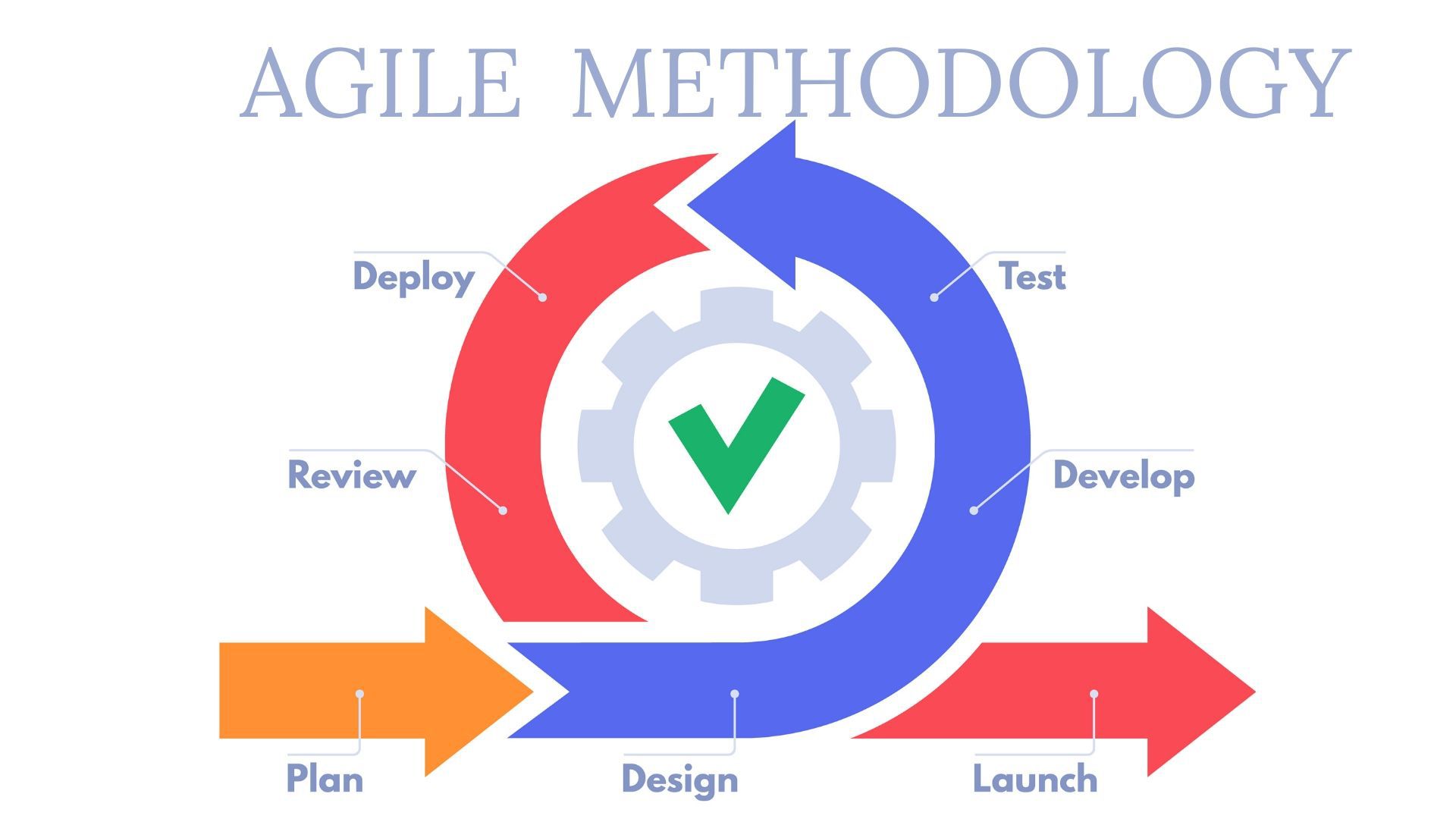
Implementing an agile development methodology enables you to manage your project efficiently. By breaking the development process into sprints, you can deliver incremental builds, gather continuous feedback, and make necessary adjustments throughout the custom app development lifecycle.
Thorough testing is vital to ensure your custom mobile app functions flawlessly. Conduct unit, integration, and user acceptance testing (UAT) to identify and resolve any bugs or issues. Automated testing can streamline the testing process and ensure comprehensive coverage.
After the custom on-demand app development phase is done, it's imperative to focus on strategies beyond the initial launch of your custom mobile app. Consider the following key aspects:

Implementing effective App Store Optimization (ASO) strategies is vital for enhancing your custom mobile app's visibility within app stores. This involves optimizing your app's title, description, keywords, and visuals to improve its ranking in search results and increase the likelihood of being discovered by potential users.
Developing robust user acquisition strategies is essential for driving app downloads and expanding your user base. To effectively reach and acquire new users, utilize a mix of various marketing channels, including social media, app install campaigns, influencer partnerships, and app review websites.
Continuous monitoring and analysis of user engagement, retention, and feedback are critical for sustaining the long-term success of your custom mobile app. Gather and analyze data regularly to identify areas for improvement, address user concerns, and implement updates that enhance the user experience and app performance.
To summarize, Custom mobile app development offers businesses various advantages, ranging from improved user experience to connecting with users on a more personal level to increased revenues and market dominance. By tailoring app features, streamlining processes, and engaging customers, you and other businesses can leverage the power of mobile technology to propel their growth and success.
With careful planning and implementation of features and functionalities, user-friendly UI and UX designs, and careful selection of the right tech stack, you can create a custom mobile app that meets your unique requirements and helps you achieve your business goals.
Embracing custom mobile app development can help you stay agile and meet users' expectations, paving the way for innovation, efficiency, and enhanced user experiences. This makes custom mobile apps a valuable investment for businesses in today's digital landscape.
Suggested Reading:
How do free apps make money: 8 models to know before you launch your own
Custom Development
7 Apr 2026
Tell us what your business actually runs on today, and we will map what it takes to make it one system.