


Custom Development
Alcohol Delivery Market Share and Trends: Size, Growth, & Business Opportunities
7 Apr 2026
Imagine comparing a smartphone to a landline. The results are undeniable, and the smartphone will win the game. Although both aim to foster seamless communication between people, smartphones' technological additions will always be superior to landline phones.
Similarly, if we were to compare the traditional approach to healthcare with its modern substitute, we know who's the clear winner. The importance and dependency of mobile applications in our lives have increased to the extent that we cannot imagine doing anything without them.
Even in healthcare, users are constantly searching for ways to access healthcare services right from their homes, and telemedicine applications just do what is needed.
This digital edition has given healthcare organizations a different outlook and enhanced user engagement, contributing to a healthier lifestyle.
Step out of your traditional healthcare practices and embrace telemedicine application development. Its services and advantages will surely benefit you and offer healthcare professionals much-needed guidance to stay ahead.
Telemedicine application development refers to the inclusion of a virtual substitute for traditional healthcare services. These applications can cater to your target audience's individual needs and preferences. They can be made so that their features align with your organization's goals and objectives.
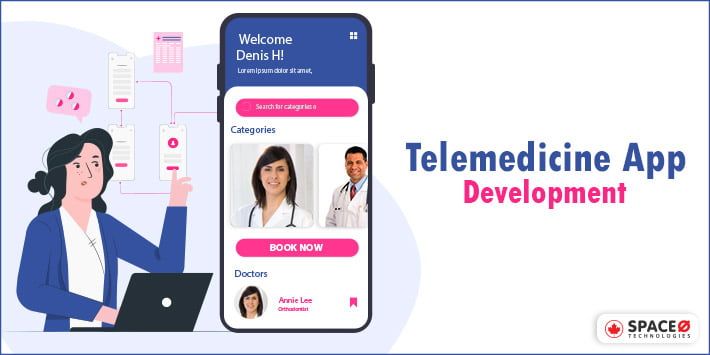
Telemedicine applications are the future of healthcare. These applications can survive the trends and technologies shortly. Therefore, their recent adaptation to the world of healthcare has become crucial.
Telemedicine application development brings forth a myriad of benefits for healthcare professionals, reshaping the way medical services are delivered and received. This section delves into three key advantages: improved patient access and convenience, time and cost efficiency for healthcare practitioners, and enhanced communication and collaboration among medical teams.
Telemedicine application development offers services like virtual consultations, appointment scheduling, and more has significantly improved patient engagement and access to healthcare matters. The shift from physical interactions to virtual consultations has been beneficial for healthcare professionals, as there has been a reduction in no-show appointments and streamlined workflow.
Earlier restraints like geographical barriers that used to restrict patients from getting efficient healthcare services have ceased to exist. Now, healthcare organizations are waiting for patients to enjoy the extensive features telemedicine applications have in store for them.
This change has been beneficial for patients residing in rural and remote areas. Now, all they need to do is download the application in their cell phones and the world of healthcare will be right at their service.
Telemedicine application development significantly contributes to the time and cost efficiency of healthcare practitioners. Through virtual consultations, healthcare professionals can streamline their workflows, seeing more patients in a day without compromising the quality of care.
This efficiency is particularly valuable in managing chronic conditions and routine check-ups, where physical presence may not be imperative.
Additionally, telemedicine application development reduces overhead costs associated with maintaining physical office spaces, allowing healthcare practices to allocate resources more effectively.
The time saved on administrative tasks and the ability to operate with a leaner infrastructure can translate into cost savings for both healthcare providers and patients.
Besides appointments, healthcare professionals can reach out to their patients and inform them about their healthcare regimen through communication platforms present in telemedicine applications.
Patients can ask questions, share opinions, or get information about different health care regimens. This communication fosters trust and transparency between the two parties and further allows for communication between patients and healthcare providers.
This improved communication can lead to more coordinated and holistic healthcare delivery, especially in cases where multidisciplinary collaboration is essential.
The introduction of telemedicine application development in your healthcare organization needs to be carefully done otherwise it has its own sets of challenges that might hinder user experience and make your application vulnerable to risks. A few of the solutions through how these challenges can be addressed are mentioned below:
Telemedicine application is the epicenter of healthcare organizations storing personal data of both patients and healthcare providers. Since the data is stored virtually, it is susceptible to threats therefore proper measures have to be implemented to ensure that it is protected at all costs.
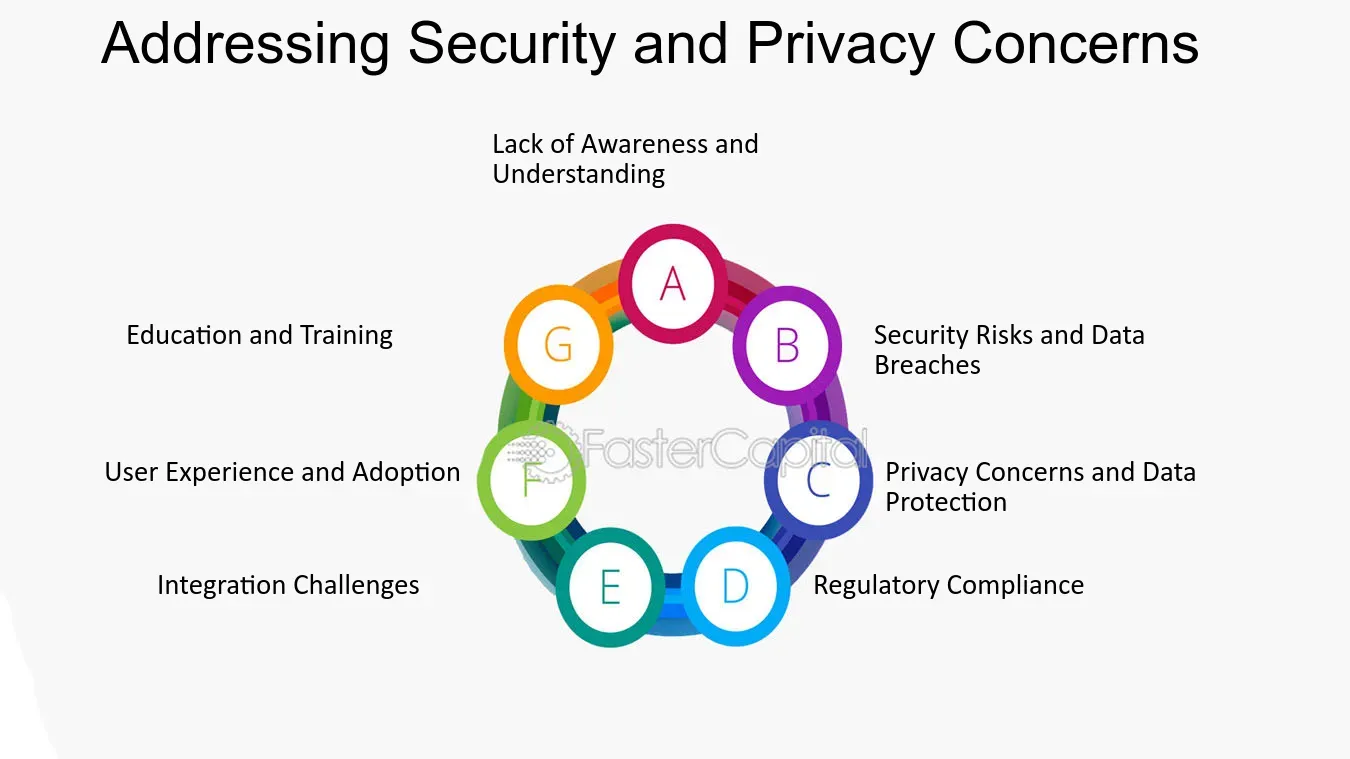
One such measure is to incorporate strong and effective data security services. The services must include features like end-to-end encryption, provide access to only concerned healthcare providers, and compliance with healthcare regulatory standards like Health Insurance Portability and Accountability Act (HIPAA). The system should have the capacity to
constantly evolve and stay in tune with the technological trends in healthcare.
Telemedicine applications offer integration with existing healthcare systems, namely electronic health records (EHRs), to streamline healthcare services.
EHR integration differs in every healthcare organization because each organization takes a different approach to delivering healthcare services.
Features like effective communication and data-sharing features are dependent on the type of EHR your system will have.
While developing telemedicine applications of your choice, healthcare professionals must communicate their goals and objectives properly and ensure that their EHRs and other existing healthcare systems are in tune with protocols like Fast Healthcare Interoperability Resources (FHIR), which contribute to a thriving healthcare environment.
The success of a telemedicine application is determined by its user-friendly interface. While the application is being developed, healthcare professionals must convey to their telemedicine application development partners the importance of the user interface.
Users must be able to access every service in the application easily. The application must be designed so audiences from all age groups can understand its nuances. Pay extra attention to details like graphics and icons. They must fit into the different screen sizes of users.
Healthcare applications can also incorporate features like voice assistants for patients with disabilities so that almost everyone can utilize the healthcare application easily.
Listed below are some of the key features offered by telemedicine application development which, when incorporated, can guarantee a boost in user experience and satisfaction.
Gone are the days when patients had to physically visit hospitals from a large distance even for the slightest of healthcare matters. Now, they can access healthcare services whenever and wherever they can.
Telemedicine application development offers services like video consultations and remote patient monitoring to their patients. Video consultations are a virtual substitute for physical interactions with healthcare professionals.
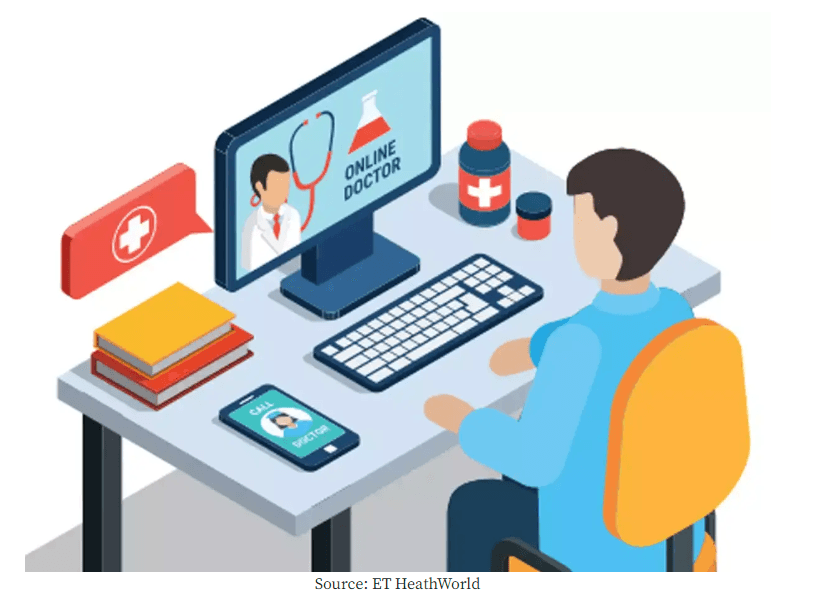
Patients can ask questions, address concerns, and receive quality medical aid without visiting hospitals. Telemedicine applications services can be paired up with wearable devices through which real-time data can be collected and stored.
Patients can track their vital signs like blood pressure, blood sugar levels, heart beat, and more. The data collected in real-time can be sent across to their healthcare providers for further evaluation.
Electronic health records, or EHR, are integral features that can be accessed by telemedicine application development. These features drive them to offer effective and exclusive healthcare services.
EHR is responsible for automating tasks, safeguarding the personal information of patients and healthcare providers from unnecessary breaches, and constantly looking for ways to enhance patient conditions.
Telemedicine application development automate repetitive tasks like prescription and appointment management, which can be stressful and prone to errors. They send reminders and push notifications to their users so that they do not miss out on their appointments.
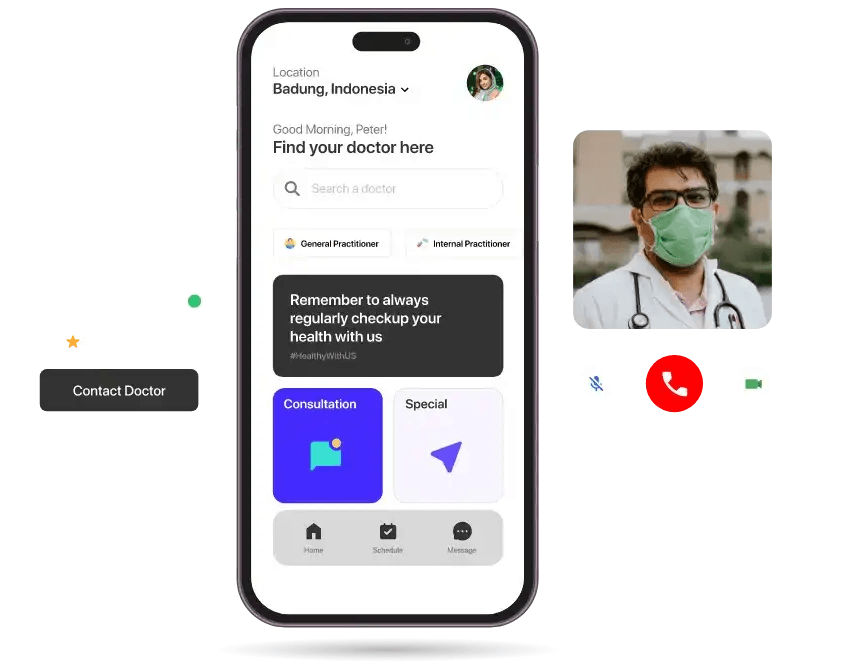
It also provides electronic prescriptions instead of physical ones, which are much more convenient and can be easily accessed by the application.
The applications also reschedules and manages virtual appointments at ease. Reducing workflow and ease of services contributes to a happy and thriving environment in healthcare organizations.
These case studies collectively emphasize the diverse ways in which telemedicine application development has positively impacted healthcare practices. From expanding access to specialized care and reducing hospital readmissions to addressing geographical barriers and improving chronic disease management, these real-world examples underscore the transformative potential of telemedicine in delivering high-quality and patient-centered healthcare.
Cleveland Clinic, a renowned healthcare institution, implemented a comprehensive telemedicine application development program to extend their reach and improve patient care. Cleveland Clinic successfully provided remote consultations across various specialties by leveraging telehealth solutions.
The positive outcomes included increased patient access to specialists, reduced patient travel time, and more timely interventions. The telemedicine application development program not only improved patient satisfaction but also showcased the scalability and adaptability of telehealth in a large healthcare system.
Mercy Virtual Care Center implemented telemedicine application development with a focus on remote patient monitoring for chronic conditions. Through continuous monitoring of patients with conditions like heart failure and diabetes, Mercy achieved significant reductions in hospital readmissions.
Patients experienced better health outcomes due to early detection of issues, timely interventions, and improved self-management with the support of telehealth technology. This case study highlights the potential of telemedicine to transform chronic disease management and enhance long-term patient well-being.
The Veterans Health Administration (VHA) in the United States implemented an extensive telehealth program to overcome barriers to care for veterans, particularly those in rural areas. The telehealth services provided by VHA included virtual consultations, mental health support, and remote monitoring.
The positive outcomes included improved access to specialized care, reduced travel burden for veterans, and enhanced mental health support. The VHA case study demonstrates how telemedicine can address healthcare disparities and improve the accessibility of specialized services for underserved populations.
Implementing telemedicine application development services in a healthcare practice requires careful planning, effective training, and strict adherence to regulatory standards.
By seamlessly integrating telehealth into existing workflows, prioritizing staff and patient education, and staying abreast of legal and regulatory requirements, healthcare practices can navigate the complexities of telemedicine successfully and provide high-quality virtual care.
Successfully integrating telemedicine application development services into existing healthcare workflows requires a systematic approach. Begin by thoroughly assessing current workflows to identify areas where telemedicine can enhance efficiency. Develop protocols for virtual consultations, appointment scheduling, and electronic documentation.
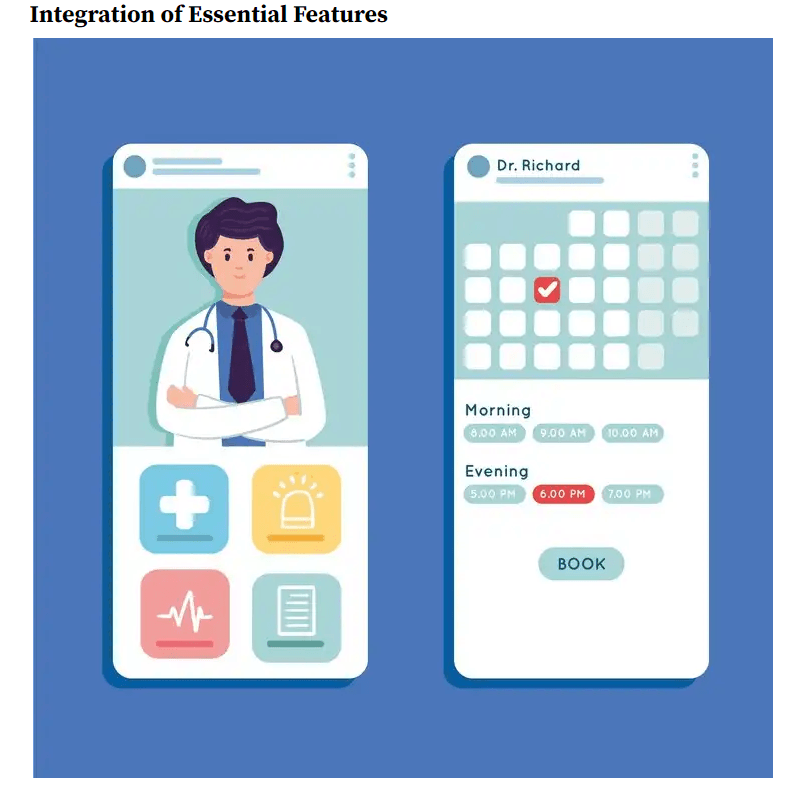
Ensure seamless integration with electronic health record (EHR) systems, allowing healthcare providers to access patient information effortlessly.
Pilot the telemedicine implementation with a small group to identify and address any workflow challenges before scaling up. Regularly assess and refine the processes based on feedback and evolving needs, fostering a smooth and integrated telehealth experience.
Effective training and communication are pivotal for the successful adoption of telemedicine. Provide comprehensive training sessions for healthcare staff, covering the use of telemedicine platforms, virtual communication etiquette, and troubleshooting common issues. Foster open communication channels to address concerns and questions from staff members.
Simultaneously, educate patients on the benefits and usage of telemedicine through clear communication channels, including educational materials, website resources, and personalized support.
Implement user-friendly guides within the telemedicine app to assist patients in navigating virtual appointments seamlessly.
Continuous communication and training contribute to a confident and informed user base, enhancing the overall success of telemedicine implementation.
Adhering to regulatory standards and legal considerations is imperative in telemedicine implementation. Familiarize yourself with local and international telehealth regulations, including data privacy laws and telemedicine licensure requirements.
Ensure the telemedicine platform complies with standards such as the Health Insurance Portability and Accountability Act (HIPAA) to safeguard patient information. Implement robust security measures, including end-to-end encryption, to protect sensitive data during virtual consultations.
Review and update policies regularly to align with evolving regulations. Consult legal professionals specializing in healthcare to navigate complex legal considerations and mitigate potential risks.
Compliance not only ensures the ethical practice of telemedicine but also builds trust among healthcare professionals and patients.
In conclusion, the transformative impact of telemedicine app development on the healthcare landscape is undeniable. The integration of telemedicine has brought about a paradigm shift in healthcare delivery, breaking down geographical barriers, improving accessibility, and enhancing the overall patient experience.
As technology advances, telemedicine stands as a cornerstone in the evolution of healthcare, offering a dynamic and patient-centric approach to medical practice.
Thus, the future of telehealth holds exciting possibilities for further innovation, integration, and accessibility.
The ongoing collaboration between technology and healthcare professionals will continue to shape the landscape, offering transformative solutions that redefine how healthcare is delivered and experienced.
The journey towards a more connected, efficient, and patient-centered healthcare system through telemedicine is just beginning, with the promise of continued advancements and improvements.
Custom Development
7 Apr 2026
Tell us what your business actually runs on today, and we will map what it takes to make it one system.